
About This Book
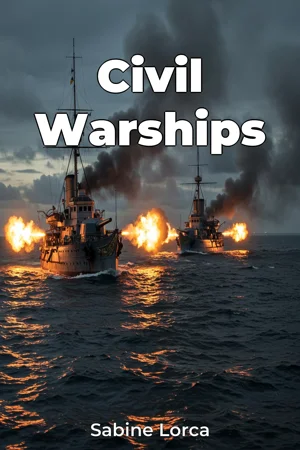
How did a nation so divided manage to revolutionize naval warfare in just four years? "Civil Warships" delves into the complex and transformative naval conflict of the American Civil War. This book examines the war’s key naval components: the rise of ironclad warships, the strategies behind the Union blockade of the Confederacy, and the war's decisive battles fought at sea. These elements are critical to understanding not only the Civil War's outcome but also the trajectory of naval warfare for decades to come. This book argues that the American Civil War was a pivotal moment in naval history, forcing rapid technological advancement and strategic innovation on both sides. The introduction of ironclads shattered wooden navies' dominance, while the Union's blockade, though controversial, strangled the Confederacy's economy. The ensuing battles demonstrated the strengths and weaknesses of these new technologies and strategies. "Civil Warships" provides comprehensive historical context, exploring the antebellum naval landscape and the social and economic factors that shaped each side's naval capabilities. Understanding the limitations and resources available to the Union and Confederacy is essential for grasping the motivations and consequences of their naval actions. The book unfolds in three major sections. The first section introduces the state of naval technology prior to the war, highlighting the transition from sail to steam and the early experiments with iron armor. The second section analyzes the Union blockade, examining its implementation, effectiveness, and impact on the Southern economy and civilian population, while addressing the international legal challenges it faced. The third section focuses on key naval battles, exploring engagements such as the clash between the *Monitor* and the *Virginia*, the struggle for control of the Mississippi River, and the expeditions against Confederate ports. Each battle is analyzed for its tactical significance and its contribution to the overall course of the war. The arguments presented within "Civil Warships" rely on extensive research, drawing from official naval records, period newspapers and journals, private letters and diaries of sailors and officers, and archaeological studies of shipwrecks. This multifaceted approach provides a comprehensive and nuanced understanding of the war at sea. The book connects to broader themes in American history, including technological innovation, economic warfare, and the evolution of military strategy. It also touches upon international law and diplomacy, specifically concerning the rights of neutral nations and the legality of blockades. Furthermore, it offers insights into the social history of the war, exploring the lives and experiences of the men who served in the Union and Confederate navies. "Civil Warships" distinguishes itself by taking a holistic view of the naval war, integrating technological, strategic, economic, and social perspectives. It moves beyond simple battle narratives to analyze the underlying forces that shaped naval operations and their impact on the wider conflict. Written in a clear and accessible style, this book is intended for a wide audience, including Civil War enthusiasts, naval history buffs, and anyone interested in the intersection of technology, strategy, and history. It offers valuable insights for both casual readers and serious scholars. As a work of military history, "Civil Warships" adheres to the genre's emphasis on factual accuracy, strategic analysis, and detailed accounts of battles and campaigns. While focusing on the naval dimension of the Civil War, the book acknowledges the limitations of its scope. It does not delve deeply into the land campaigns or the political debates surrounding the war, but rather concentrates on providing a comprehensive and focused examination of naval warfare. The information in "Civil Warships" has real-world applications for understanding modern naval strategy, technological development, and the use of economic blockades in international relations. It also provides valuable lessons about the importance of innovation and adaptation in warfare. The book addresses the ongoing debate surrounding the Union blockade, examining the arguments about its legality, its impact on civilian populations, and its ultimate effectiveness in defeating the Confederacy. By presenting a balanced and nuanced analysis, "Civil Warships" contributes to a deeper understanding of this controversial aspect of the Civil War.
How did a nation so divided manage to revolutionize naval warfare in just four years? "Civil Warships" delves into the complex and transformative naval conflict of the American Civil War. This book examines the war’s key naval components: the rise of ironclad warships, the strategies behind the Union blockade of the Confederacy, and the war's decisive battles fought at sea. These elements are critical to understanding not only the Civil War's outcome but also the trajectory of naval warfare for decades to come. This book argues that the American Civil War was a pivotal moment in naval history, forcing rapid technological advancement and strategic innovation on both sides. The introduction of ironclads shattered wooden navies' dominance, while the Union's blockade, though controversial, strangled the Confederacy's economy. The ensuing battles demonstrated the strengths and weaknesses of these new technologies and strategies. "Civil Warships" provides comprehensive historical context, exploring the antebellum naval landscape and the social and economic factors that shaped each side's naval capabilities. Understanding the limitations and resources available to the Union and Confederacy is essential for grasping the motivations and consequences of their naval actions. The book unfolds in three major sections. The first section introduces the state of naval technology prior to the war, highlighting the transition from sail to steam and the early experiments with iron armor. The second section analyzes the Union blockade, examining its implementation, effectiveness, and impact on the Southern economy and civilian population, while addressing the international legal challenges it faced. The third section focuses on key naval battles, exploring engagements such as the clash between the *Monitor* and the *Virginia*, the struggle for control of the Mississippi River, and the expeditions against Confederate ports. Each battle is analyzed for its tactical significance and its contribution to the overall course of the war. The arguments presented within "Civil Warships" rely on extensive research, drawing from official naval records, period newspapers and journals, private letters and diaries of sailors and officers, and archaeological studies of shipwrecks. This multifaceted approach provides a comprehensive and nuanced understanding of the war at sea. The book connects to broader themes in American history, including technological innovation, economic warfare, and the evolution of military strategy. It also touches upon international law and diplomacy, specifically concerning the rights of neutral nations and the legality of blockades. Furthermore, it offers insights into the social history of the war, exploring the lives and experiences of the men who served in the Union and Confederate navies. "Civil Warships" distinguishes itself by taking a holistic view of the naval war, integrating technological, strategic, economic, and social perspectives. It moves beyond simple battle narratives to analyze the underlying forces that shaped naval operations and their impact on the wider conflict. Written in a clear and accessible style, this book is intended for a wide audience, including Civil War enthusiasts, naval history buffs, and anyone interested in the intersection of technology, strategy, and history. It offers valuable insights for both casual readers and serious scholars. As a work of military history, "Civil Warships" adheres to the genre's emphasis on factual accuracy, strategic analysis, and detailed accounts of battles and campaigns. While focusing on the naval dimension of the Civil War, the book acknowledges the limitations of its scope. It does not delve deeply into the land campaigns or the political debates surrounding the war, but rather concentrates on providing a comprehensive and focused examination of naval warfare. The information in "Civil Warships" has real-world applications for understanding modern naval strategy, technological development, and the use of economic blockades in international relations. It also provides valuable lessons about the importance of innovation and adaptation in warfare. The book addresses the ongoing debate surrounding the Union blockade, examining the arguments about its legality, its impact on civilian populations, and its ultimate effectiveness in defeating the Confederacy. By presenting a balanced and nuanced analysis, "Civil Warships" contributes to a deeper understanding of this controversial aspect of the Civil War.
"Civil Warships" examines the naval aspects of the American Civil War, highlighting the rapid transformations in naval technology and strategy that occurred between the Union and the Confederacy. The book argues that the war was a pivotal moment in naval history, driven by the rise of ironclad warships and the implementation of the Union blockade. It also emphasizes the importance of key naval battles in determining the war's outcome and shaping future naval doctrine. The book explores the antebellum naval landscape and the economic factors influencing each side's naval capabilities. For example, the introduction of ironclads challenged the dominance of wooden navies, while the Union's blockade aimed to cripple the Confederacy's economy, although it faced international legal challenges. Drawing from naval records, newspapers, journals, and personal accounts, "Civil Warships" integrates technological, strategic, and economic perspectives. The book progresses by first introducing pre-war naval technology, transitioning to the Union blockade's impact, and then analyzing key naval battles. By taking a holistic view, the book offers insights for both casual readers and serious scholars interested in military history and naval warfare, as well as broader themes such as economic warfare and technological innovation.
Book Details
ISBN
9788235299826
Publisher
Publifye AS
Your Licenses
You don't own any licenses for this book
Purchase a license below to unlock this book and download the EPUB.
Purchase License
Select a tier to unlock this book
Need bulk licensing?
Contact us for enterprise agreements.