
About This Book
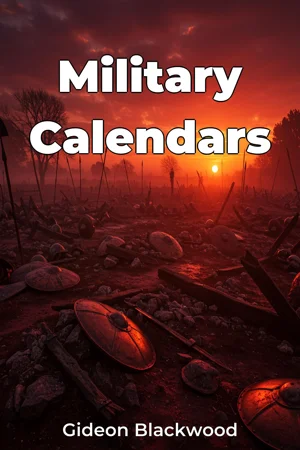
How has the strategic management of time shaped the outcomes of military conflicts throughout history? "Military Calendars" explores this question by examining how armies, navies, and air forces have structured time for training, campaigns, strategic operations, and wartime planning. This book delves into the crucial but often overlooked role of temporal organization in military success and failure, revealing how different approaches to time management have influenced the course of wars and military history. This book addresses two key topics: synchronization and planning horizons. Synchronization, the ability of different military elements to act in concert at a specific time, is explored through case studies of battles and campaigns where precise timing was paramount. Planning horizons is explored through analysis of how military organizations balance short-term tactical needs with long-term strategic goals. These topics are important because they illuminate how the effective use of time can amplify military capabilities, while mismanagement of time can lead to critical vulnerabilities. The historical context is vital, spanning from ancient warfare to modern conflicts. Readers will benefit from a basic understanding of military history, including knowledge of different military technologies, organizational structures, and strategic doctrines. The book assumes a general familiarity with major historical events and military terminology. The central argument of "Military Calendars" is that the effective structuring and management of time is a critical, if not the critical, determinant of military effectiveness. This argument is important within military history and strategic studies departments, because it provides a new lens through which to analyze military operations. The book begins by introducing key concepts, such as operational tempo, cycles of activity, and the impact of seasonal changes on military operations. It then develops these ideas through several major sections. The first section examines how different cultures and eras have perceived and organized time, and how these perceptions have shaped military practices. The second section analyzes specific campaigns and battles, demonstrating how the timing of military actions influenced outcomes. The third section focuses on how military organizations have used calendars, schedules, and deadlines to coordinate training, logistics, and strategic planning. The book culminates by exploring the implications of these findings for contemporary military operations and future warfare. Evidence presented in "Military Calendars" is based on a wide range of primary and secondary sources, including military records, personal journals, historical accounts, and scholarly research. The book also draws on quantitative data, such as timelines, logistical schedules, and operational plans, to support its arguments. It uses a comparative methodology, examining case studies from different historical periods and geographical regions to identify patterns and trends in military time management. "Military Calendars" maintains interdisciplinary connections to several fields. It connects to organizational management by examining how military organizations structure their activities and coordinate resources over time. It also connects to logistics and supply chain management by analyzing how military forces plan and execute the movement of personnel, equipment, and supplies. Finally, it connects to the field of psychology by considering how stress, fatigue, and cognitive biases can affect decision-making under time pressure. This book takes a unique approach by focusing specifically on the role of time as a strategic resource in military operations. Instead of simply recounting historical events, it provides a framework for understanding how military organizations have used time to gain a strategic advantage. This perspective is innovative because it integrates insights from military history, organizational theory, and management science. The tone of "Military Calendars" is academic yet accessible. It presents complex ideas in a clear and concise manner, using examples and anecdotes to illustrate key points. The writing style is engaging and informative, designed to appeal to a broad audience. The target audience includes military historians, military professionals, security analysts, and anyone interested in the strategic aspects of warfare. This book would be valuable because it provides a new perspective on military history, offering insights into how the effective management of time can enhance military effectiveness. As a work of military history, "Military Calendars" adheres to the genre's conventions by providing rigorous analysis, detailed documentation, and a balanced perspective. The scope of the book is broad, covering military operations from ancient times to the present day. However, it is limited to the structuring of time for military purposes, and does not delve into other aspects of military history, such as weapons technology or political strategy, unless they are relevant to the main themes of the book. The information in "Military Calendars" can be applied practically by military professionals to improve their planning and coordination skills. It can also be used by historians and scholars to gain a deeper understanding of military operations and strategic decision-making. The book addresses current debates about the impact of technology on military operations by examining how new technologies, such as networked communication systems and precision-guided weapons, have altered the relationship between time and military effectiveness.
How has the strategic management of time shaped the outcomes of military conflicts throughout history? "Military Calendars" explores this question by examining how armies, navies, and air forces have structured time for training, campaigns, strategic operations, and wartime planning. This book delves into the crucial but often overlooked role of temporal organization in military success and failure, revealing how different approaches to time management have influenced the course of wars and military history. This book addresses two key topics: synchronization and planning horizons. Synchronization, the ability of different military elements to act in concert at a specific time, is explored through case studies of battles and campaigns where precise timing was paramount. Planning horizons is explored through analysis of how military organizations balance short-term tactical needs with long-term strategic goals. These topics are important because they illuminate how the effective use of time can amplify military capabilities, while mismanagement of time can lead to critical vulnerabilities. The historical context is vital, spanning from ancient warfare to modern conflicts. Readers will benefit from a basic understanding of military history, including knowledge of different military technologies, organizational structures, and strategic doctrines. The book assumes a general familiarity with major historical events and military terminology. The central argument of "Military Calendars" is that the effective structuring and management of time is a critical, if not the critical, determinant of military effectiveness. This argument is important within military history and strategic studies departments, because it provides a new lens through which to analyze military operations. The book begins by introducing key concepts, such as operational tempo, cycles of activity, and the impact of seasonal changes on military operations. It then develops these ideas through several major sections. The first section examines how different cultures and eras have perceived and organized time, and how these perceptions have shaped military practices. The second section analyzes specific campaigns and battles, demonstrating how the timing of military actions influenced outcomes. The third section focuses on how military organizations have used calendars, schedules, and deadlines to coordinate training, logistics, and strategic planning. The book culminates by exploring the implications of these findings for contemporary military operations and future warfare. Evidence presented in "Military Calendars" is based on a wide range of primary and secondary sources, including military records, personal journals, historical accounts, and scholarly research. The book also draws on quantitative data, such as timelines, logistical schedules, and operational plans, to support its arguments. It uses a comparative methodology, examining case studies from different historical periods and geographical regions to identify patterns and trends in military time management. "Military Calendars" maintains interdisciplinary connections to several fields. It connects to organizational management by examining how military organizations structure their activities and coordinate resources over time. It also connects to logistics and supply chain management by analyzing how military forces plan and execute the movement of personnel, equipment, and supplies. Finally, it connects to the field of psychology by considering how stress, fatigue, and cognitive biases can affect decision-making under time pressure. This book takes a unique approach by focusing specifically on the role of time as a strategic resource in military operations. Instead of simply recounting historical events, it provides a framework for understanding how military organizations have used time to gain a strategic advantage. This perspective is innovative because it integrates insights from military history, organizational theory, and management science. The tone of "Military Calendars" is academic yet accessible. It presents complex ideas in a clear and concise manner, using examples and anecdotes to illustrate key points. The writing style is engaging and informative, designed to appeal to a broad audience. The target audience includes military historians, military professionals, security analysts, and anyone interested in the strategic aspects of warfare. This book would be valuable because it provides a new perspective on military history, offering insights into how the effective management of time can enhance military effectiveness. As a work of military history, "Military Calendars" adheres to the genre's conventions by providing rigorous analysis, detailed documentation, and a balanced perspective. The scope of the book is broad, covering military operations from ancient times to the present day. However, it is limited to the structuring of time for military purposes, and does not delve into other aspects of military history, such as weapons technology or political strategy, unless they are relevant to the main themes of the book. The information in "Military Calendars" can be applied practically by military professionals to improve their planning and coordination skills. It can also be used by historians and scholars to gain a deeper understanding of military operations and strategic decision-making. The book addresses current debates about the impact of technology on military operations by examining how new technologies, such as networked communication systems and precision-guided weapons, have altered the relationship between time and military effectiveness.
"Military Calendars" explores the crucial role of strategic time management in military history, examining how armies, navies, and air forces have structured time for training, campaigns, and wartime planning. The book highlights the importance of synchronization—the ability of military elements to act in concert—and planning horizons, balancing short-term needs with long-term goals. Discover how different cultures and eras have perceived and organized time, significantly shaping military practices. The book progresses from introducing key concepts like operational tempo and the impact of seasonal changes, to analyzing specific campaigns and battles where timing influenced outcomes. It further investigates how military organizations have used calendars and schedules to coordinate logistics and strategic planning. Through a comparative methodology, the book draws on military records, personal journals, and quantitative data to support its arguments. This unique approach offers a new perspective on military effectiveness, integrating insights from military history, organizational theory, and management science. By focusing on time as a strategic resource, "Military Calendars" provides a valuable framework for understanding how military organizations have gained advantages, offering insights applicable to contemporary military operations and future warfare.
Book Details
ISBN
9788235299734
Publisher
Publifye AS
Your Licenses
You don't own any licenses for this book
Purchase a license below to unlock this book and download the EPUB.
Purchase License
Select a tier to unlock this book
Need bulk licensing?
Contact us for enterprise agreements.