
About This Book
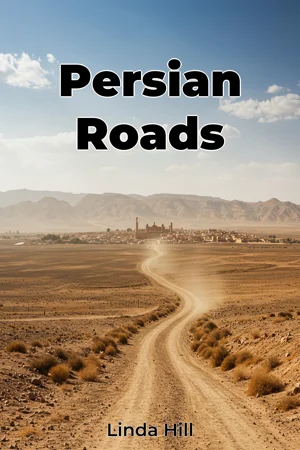
Did you know that the efficiency of an ancient empire rested on a network of roads more sophisticated than many realize? "Persian Roads" delves into the intricate system of roadways that underpinned the Achaemenid Persian Empire, revealing how these arteries of communication and transportation shaped its political, economic, and military dominance. This book explores the engineering feats, logistical challenges, and lasting impact of the Persian road network, with a particular focus on the famed Royal Road. The significance of this study lies in understanding how infrastructure directly impacts state power, trade, and cultural exchange—lessons resonant even in our modern, interconnected world. This book provides a comprehensive analysis of the Persian road system, examining its origins, construction, maintenance, and ultimate decline. It situates the roads within the broader historical context of the Achaemenid Empire (c. 550-330 BCE), exploring the empire's administrative structure, military campaigns, and economic activities. A central argument is that the Persian roads were not merely conduits for movement but were deliberately engineered instruments of imperial control. By facilitating rapid communication, troop deployment, and resource extraction, these roads enabled the Persians to govern a vast and diverse territory effectively. The book unfolds in several stages. It begins by introducing the geographical context of the Persian Empire, highlighting the challenges of traversing its diverse landscapes. It then details the construction techniques employed by Persian engineers, drawing on archaeological evidence and ancient texts. Subsequent chapters focus on the Royal Road, its function as a vital artery connecting Susa to Sardis, and the network of relay stations that enabled messengers to travel at unprecedented speeds. We investigate the economic impact of these roads, exploring how they facilitated trade and the movement of goods. Finally, the book studies the decline of the road system and its impact on the empire. The evidence presented in "Persian Roads" derives from a wide range of sources, including archaeological surveys, cuneiform inscriptions, Greek historical accounts (Herodotus, Xenophon), and studies of comparable ancient road systems. The analysis incorporates topographical data to understand the routes chosen by Persian engineers and the challenges they overcame. Furthermore, the book uses quantitative analysis of trade routes, travel times, and military movements to illustrate the practical impact of the road network. "Persian Roads" connects to several disciplines, including archaeology, ancient history, political science, and transportation studies. The book is relevant to those with an interest in understanding the dynamics of empire building, the role of infrastructure in state power, and the history of global trade networks. This book presents a fresh perspective by combining engineering analysis with historical interpretation, offering a more holistic view of the Persian road system than previous works. It aims to be rigorous in its scholarship yet accessible to a broad audience, employing clear language and avoiding excessive jargon. The intended audience is history enthusiasts, students of ancient civilizations, and anyone interested in understanding the relationship between infrastructure and power. The book appeals to those seeking a deeper understanding of how the Achaemenid Empire functioned and its legacy in the ancient world. It aligns with genre expectations for history writing, providing a clearly defined argument, supporting evidence, and a balanced presentation of different viewpoints. The scope of "Persian Roads" is primarily focused on the Achaemenid Persian Empire, with less attention given to earlier or later road systems in the region. This intentional limitation allows for a more in-depth analysis of a specific historical context. The insights in this book can be applied to understanding contemporary challenges in infrastructure development, transportation planning, and global logistics. By examining the successes and failures of the Persian road system, we can gain valuable lessons for building sustainable and effective infrastructure in the 21st century. While there are debates about the precise routes of some roads and the exact methods employed by Persian engineers, this book presents a balanced assessment of the available evidence, acknowledging areas of uncertainty while offering informed interpretations.
Did you know that the efficiency of an ancient empire rested on a network of roads more sophisticated than many realize? "Persian Roads" delves into the intricate system of roadways that underpinned the Achaemenid Persian Empire, revealing how these arteries of communication and transportation shaped its political, economic, and military dominance. This book explores the engineering feats, logistical challenges, and lasting impact of the Persian road network, with a particular focus on the famed Royal Road. The significance of this study lies in understanding how infrastructure directly impacts state power, trade, and cultural exchange—lessons resonant even in our modern, interconnected world. This book provides a comprehensive analysis of the Persian road system, examining its origins, construction, maintenance, and ultimate decline. It situates the roads within the broader historical context of the Achaemenid Empire (c. 550-330 BCE), exploring the empire's administrative structure, military campaigns, and economic activities. A central argument is that the Persian roads were not merely conduits for movement but were deliberately engineered instruments of imperial control. By facilitating rapid communication, troop deployment, and resource extraction, these roads enabled the Persians to govern a vast and diverse territory effectively. The book unfolds in several stages. It begins by introducing the geographical context of the Persian Empire, highlighting the challenges of traversing its diverse landscapes. It then details the construction techniques employed by Persian engineers, drawing on archaeological evidence and ancient texts. Subsequent chapters focus on the Royal Road, its function as a vital artery connecting Susa to Sardis, and the network of relay stations that enabled messengers to travel at unprecedented speeds. We investigate the economic impact of these roads, exploring how they facilitated trade and the movement of goods. Finally, the book studies the decline of the road system and its impact on the empire. The evidence presented in "Persian Roads" derives from a wide range of sources, including archaeological surveys, cuneiform inscriptions, Greek historical accounts (Herodotus, Xenophon), and studies of comparable ancient road systems. The analysis incorporates topographical data to understand the routes chosen by Persian engineers and the challenges they overcame. Furthermore, the book uses quantitative analysis of trade routes, travel times, and military movements to illustrate the practical impact of the road network. "Persian Roads" connects to several disciplines, including archaeology, ancient history, political science, and transportation studies. The book is relevant to those with an interest in understanding the dynamics of empire building, the role of infrastructure in state power, and the history of global trade networks. This book presents a fresh perspective by combining engineering analysis with historical interpretation, offering a more holistic view of the Persian road system than previous works. It aims to be rigorous in its scholarship yet accessible to a broad audience, employing clear language and avoiding excessive jargon. The intended audience is history enthusiasts, students of ancient civilizations, and anyone interested in understanding the relationship between infrastructure and power. The book appeals to those seeking a deeper understanding of how the Achaemenid Empire functioned and its legacy in the ancient world. It aligns with genre expectations for history writing, providing a clearly defined argument, supporting evidence, and a balanced presentation of different viewpoints. The scope of "Persian Roads" is primarily focused on the Achaemenid Persian Empire, with less attention given to earlier or later road systems in the region. This intentional limitation allows for a more in-depth analysis of a specific historical context. The insights in this book can be applied to understanding contemporary challenges in infrastructure development, transportation planning, and global logistics. By examining the successes and failures of the Persian road system, we can gain valuable lessons for building sustainable and effective infrastructure in the 21st century. While there are debates about the precise routes of some roads and the exact methods employed by Persian engineers, this book presents a balanced assessment of the available evidence, acknowledging areas of uncertainty while offering informed interpretations.
"Persian Roads" explores the vital role of road networks in the Achaemenid Persian Empire, demonstrating how these sophisticated arteries of transportation and communication shaped its dominance. The book reveals how the Persian Empire utilized its infrastructure not merely for movement, but as deliberately engineered instruments of imperial control. By facilitating rapid communication, troop deployment, and resource extraction, these roads enabled the Persians to govern a vast and diverse territory effectively. The book examines the origins, construction, maintenance, and decline of the Persian road system, with a focus on the famed Royal Road. It argues that the Persian roads were critical to the empire’s political, economic, and military success. For example, the Royal Road, stretching from Susa to Sardis, allowed messengers to travel at unprecedented speeds, ensuring swift communication across the empire. The book progresses by first establishing the geographical context of the Persian Empire, then detailing construction techniques, and finally, analyzing the Royal Road and its economic impact. Combining engineering analysis with historical interpretation, "Persian Roads" provides a fresh perspective on the Persian road system, appealing to history enthusiasts and those interested in the intersection of infrastructure and power.
Book Details
ISBN
9788235299635
Publisher
Publifye AS
Your Licenses
You don't own any licenses for this book
Purchase a license below to unlock this book and download the EPUB.
Purchase License
Select a tier to unlock this book
Need bulk licensing?
Contact us for enterprise agreements.