
About This Book
Did you know that for centuries, a powerful civilization thrived just south of Egypt, its influence deeply intertwined with and at times overshadowing its more famous neighbor? "Nubian Kingdoms" delves into the complex and often overlooked history of Nubia, exploring its rich cultural heritage, its interactions with Egypt, and its significant role in the ancient world. This book examines the rise and fall of Nubian kingdoms, their powerful rulers, and their enduring cultural legacy, revealing a civilization that was far more than just a footnote in Egyptian history. This book primarily focuses on three key areas: the distinct cultural identity of Nubia, the intricate relationship between Nubia and Egypt, and the political and military power wielded by Nubian rulers. These topics are vital because they challenge conventional narratives that often portray Nubia as merely a peripheral region or a subordinate to Egypt. By exploring these themes, the book offers a more nuanced and accurate understanding of Nubia's unique contributions to the ancient world. "Nubian Kingdoms" provides essential historical context, tracing Nubia's development from the early Kerma culture to the later kingdoms of Kush and Meroe. The book assumes a basic familiarity with ancient Egyptian history but provides detailed explanations of Nubian-specific aspects. The central argument is that Nubia was not simply a recipient of Egyptian influence, but a dynamic and independent civilization that actively shaped its own destiny and, at times, exerted considerable influence over Egypt itself. This argument is critical for re-evaluating the power dynamics of the ancient Nile Valley and recognizing Nubia's rightful place in world history. The book begins by introducing the geographical setting of Nubia and its early cultures. It then progresses to examine the period of Egyptian domination, followed by the rise of the Kingdom of Kush, its conquest of Egypt, and its subsequent retreat south. The narrative culminates with an analysis of the Meroitic period, its unique cultural developments, and its eventual decline. Throughout, the book analyzes Nubian art, religion, and social structures, providing a holistic view of Nubian society. The book draws upon a wide range of archaeological evidence, including excavations of Nubian cities, temples, and burial sites. It also utilizes textual sources, such as Egyptian inscriptions and later classical accounts, to reconstruct Nubian history. A unique aspect of the research involves a comparative analysis of Nubian and Egyptian material culture to identify both similarities and differences, highlighting Nubia's distinct identity. "Nubian Kingdoms" connects to various disciplines, including archaeology, anthropology, and Egyptology. By integrating these perspectives, the book offers a more comprehensive understanding of Nubian civilization and its place in the broader context of ancient African history. The book challenges traditional Egyptocentric views, advocating for a more balanced and inclusive approach to studying the ancient world. The tone of the book is academic but accessible, aiming to present complex information in a clear and engaging manner. The target audience includes students of ancient history, archaeology enthusiasts, and anyone interested in learning more about the history of Africa. The book is valuable to them because it provides a comprehensive and up-to-date account of Nubian history, drawing upon the latest research and scholarship. As a work of history, the book emphasizes factual accuracy, clear argumentation, and thorough documentation. The scope of the book is limited to the pre-Christian period of Nubian history, focusing primarily on the Kerma, Kushite, and Meroitic kingdoms. This focus allows for a more in-depth analysis of these key periods, while acknowledging that Nubian history continued long after the decline of Meroe. The book addresses the ongoing debates surrounding the interpretation of Nubian history, such as the extent of Egyptian influence and the nature of Nubian identity. It presents different perspectives and encourages readers to critically evaluate the evidence.
Did you know that for centuries, a powerful civilization thrived just south of Egypt, its influence deeply intertwined with and at times overshadowing its more famous neighbor? "Nubian Kingdoms" delves into the complex and often overlooked history of Nubia, exploring its rich cultural heritage, its interactions with Egypt, and its significant role in the ancient world. This book examines the rise and fall of Nubian kingdoms, their powerful rulers, and their enduring cultural legacy, revealing a civilization that was far more than just a footnote in Egyptian history. This book primarily focuses on three key areas: the distinct cultural identity of Nubia, the intricate relationship between Nubia and Egypt, and the political and military power wielded by Nubian rulers. These topics are vital because they challenge conventional narratives that often portray Nubia as merely a peripheral region or a subordinate to Egypt. By exploring these themes, the book offers a more nuanced and accurate understanding of Nubia's unique contributions to the ancient world. "Nubian Kingdoms" provides essential historical context, tracing Nubia's development from the early Kerma culture to the later kingdoms of Kush and Meroe. The book assumes a basic familiarity with ancient Egyptian history but provides detailed explanations of Nubian-specific aspects. The central argument is that Nubia was not simply a recipient of Egyptian influence, but a dynamic and independent civilization that actively shaped its own destiny and, at times, exerted considerable influence over Egypt itself. This argument is critical for re-evaluating the power dynamics of the ancient Nile Valley and recognizing Nubia's rightful place in world history. The book begins by introducing the geographical setting of Nubia and its early cultures. It then progresses to examine the period of Egyptian domination, followed by the rise of the Kingdom of Kush, its conquest of Egypt, and its subsequent retreat south. The narrative culminates with an analysis of the Meroitic period, its unique cultural developments, and its eventual decline. Throughout, the book analyzes Nubian art, religion, and social structures, providing a holistic view of Nubian society. The book draws upon a wide range of archaeological evidence, including excavations of Nubian cities, temples, and burial sites. It also utilizes textual sources, such as Egyptian inscriptions and later classical accounts, to reconstruct Nubian history. A unique aspect of the research involves a comparative analysis of Nubian and Egyptian material culture to identify both similarities and differences, highlighting Nubia's distinct identity. "Nubian Kingdoms" connects to various disciplines, including archaeology, anthropology, and Egyptology. By integrating these perspectives, the book offers a more comprehensive understanding of Nubian civilization and its place in the broader context of ancient African history. The book challenges traditional Egyptocentric views, advocating for a more balanced and inclusive approach to studying the ancient world. The tone of the book is academic but accessible, aiming to present complex information in a clear and engaging manner. The target audience includes students of ancient history, archaeology enthusiasts, and anyone interested in learning more about the history of Africa. The book is valuable to them because it provides a comprehensive and up-to-date account of Nubian history, drawing upon the latest research and scholarship. As a work of history, the book emphasizes factual accuracy, clear argumentation, and thorough documentation. The scope of the book is limited to the pre-Christian period of Nubian history, focusing primarily on the Kerma, Kushite, and Meroitic kingdoms. This focus allows for a more in-depth analysis of these key periods, while acknowledging that Nubian history continued long after the decline of Meroe. The book addresses the ongoing debates surrounding the interpretation of Nubian history, such as the extent of Egyptian influence and the nature of Nubian identity. It presents different perspectives and encourages readers to critically evaluate the evidence.
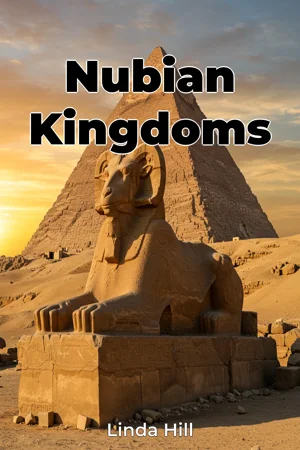
"Nubian Kingdoms" unveils the captivating history of Nubia, a civilization that flourished south of Egypt. This book explores Nubia's unique cultural identity, its complex relationship with Egypt, and the political might wielded by Nubian rulers. For centuries, Nubia and Egypt were deeply intertwined, with Nubian influence at times even surpassing that of its more famous neighbor. The book challenges the conventional view of Nubia as a mere extension of Egypt, revealing it as a dynamic and independent civilization. The book traces Nubia's journey from the early Kerma culture through the powerful Kingdom of Kush and the later Meroitic period. It examines archaeological findings, such as Nubian cities and temples, alongside Egyptian inscriptions and classical accounts. Through a comparative analysis of Nubian and Egyptian cultures, "Nubian Kingdoms" illuminates Nubia's distinct identity. Beginning with Nubia's geographical setting, the book progresses through periods of Egyptian domination, the Kushite conquest of Egypt, and the cultural developments of Meroe. It offers a comprehensive view of Nubian society by analyzing its art, religion, and social structures. This approach provides a holistic understanding of Nubia's place in world history, moving beyond Egypt-centric narratives.
Book Details
ISBN
9788235299529
Publisher
Publifye AS
Your Licenses
You don't own any licenses for this book
Purchase a license below to unlock this book and download the EPUB.
Purchase License
Select a tier to unlock this book
Need bulk licensing?
Contact us for enterprise agreements.