
About This Book
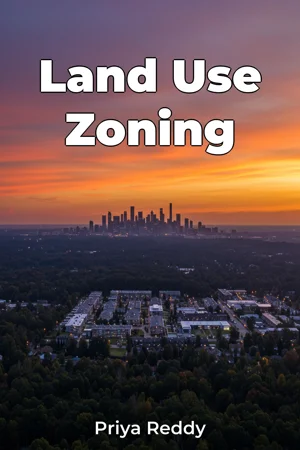
How can we ensure responsible growth that meets the needs of a growing population while preserving our environment and community character? "Land Use Zoning" delves into the intricate world of zoning laws, exploring how these regulations shape our physical environment and impact our daily lives. This book is essential for anyone seeking to understand the complex interplay between development, environmental conservation, and community planning. This book focuses on three critical areas. First, it examines the *historical evolution of zoning*, tracing its origins in early 20th-century urban planning to its present-day form. Understanding this history is crucial for grasping the context behind current zoning practices and the challenges they face. Second, this book analyzes the *legal and political frameworks* that govern zoning, including constitutional considerations, state and local statutes, and the role of public participation. Zoning decisions are rarely neutral; they reflect underlying power dynamics and competing interests within a community. Finally, this book explores *contemporary issues in zoning*, such as the rise of form-based codes, the integration of sustainability principles, and the challenges of addressing housing affordability and social equity. "Land Use Zoning" argues that effective zoning requires a holistic approach that balances competing interests and promotes long-term sustainability. This argument is crucial because poorly conceived or implemented zoning can exacerbate existing inequalities, degrade the environment, and stifle economic opportunity. The book is structured to provide a comprehensive understanding of land use regulation. It begins by introducing the core concepts of zoning, including Euclidean zoning, overlay districts, and planned unit developments, offering clear definitions and examples. The book then dedicates chapters to the historical development of zoning, the legal foundations of land use regulation, and the role of planning in shaping zoning decisions. It further develops its argument through case studies of zoning practices in different communities, highlighting both successes and failures. The book examines the use of zoning to promote environmental protection, manage growth, and address housing needs. The culmination of the argument occurs in the final chapters, which propose strategies for reforming zoning to achieve more equitable and sustainable outcomes. It concludes by exploring the practical implications of zoning decisions for developers, residents, and policymakers. The analysis presented is supported by a wide range of evidence, including legal precedents, planning documents, demographic data, and environmental impact assessments. The book draws upon original research, including surveys of zoning practices in different states and interviews with planners and developers. "Land Use Zoning" is highly interdisciplinary, drawing connections between law, urban planning, environmental science, and political science. The legal analysis of zoning regulations is informed by an understanding of planning principles and environmental concerns. The book also connects to the field of economics, examining the impact of zoning on property values and economic development. These connections enhance the book's argument by demonstrating the multifaceted nature of land use regulation. This book takes a unique approach by integrating historical analysis, legal theory, and practical case studies to provide a nuanced understanding of zoning. It moves beyond simple descriptions of zoning regulations to explore their underlying motivations and consequences. Written in an accessible style, "Land Use Zoning" avoids technical jargon and explains complex concepts in a clear and concise manner. While grounded in academic research, the book is designed to be engaging and informative for a broad audience. The target audience includes students of urban planning, law, and environmental studies, as well as practicing planners, developers, policymakers, and engaged citizens. This book will be valuable to anyone seeking to understand the power of zoning and its potential to shape our communities. As a work in the environment and politics genres, the book maintains a fact-based approach. The scope of "Land Use Zoning" is limited to the United States, focusing on zoning practices within the American legal and political context. While international examples are occasionally referenced, the primary focus is on the U.S. system of land use regulation. Readers will learn how to analyze zoning ordinances, participate in public hearings, and advocate for responsible land use policies. It offers practical guidance for developers seeking to navigate the zoning process and for residents seeking to protect their communities from unwanted development. The book engages with ongoing debates about the role of zoning in perpetuating segregation, limiting housing affordability, and contributing to climate change. It explores different perspectives on these issues, presenting a balanced and nuanced analysis. "Land Use Zoning" provides a comprehensive overview of the field, equipping readers with the knowledge and tools they need to engage in informed discussions about the future of our communities.
How can we ensure responsible growth that meets the needs of a growing population while preserving our environment and community character? "Land Use Zoning" delves into the intricate world of zoning laws, exploring how these regulations shape our physical environment and impact our daily lives. This book is essential for anyone seeking to understand the complex interplay between development, environmental conservation, and community planning. This book focuses on three critical areas. First, it examines the *historical evolution of zoning*, tracing its origins in early 20th-century urban planning to its present-day form. Understanding this history is crucial for grasping the context behind current zoning practices and the challenges they face. Second, this book analyzes the *legal and political frameworks* that govern zoning, including constitutional considerations, state and local statutes, and the role of public participation. Zoning decisions are rarely neutral; they reflect underlying power dynamics and competing interests within a community. Finally, this book explores *contemporary issues in zoning*, such as the rise of form-based codes, the integration of sustainability principles, and the challenges of addressing housing affordability and social equity. "Land Use Zoning" argues that effective zoning requires a holistic approach that balances competing interests and promotes long-term sustainability. This argument is crucial because poorly conceived or implemented zoning can exacerbate existing inequalities, degrade the environment, and stifle economic opportunity. The book is structured to provide a comprehensive understanding of land use regulation. It begins by introducing the core concepts of zoning, including Euclidean zoning, overlay districts, and planned unit developments, offering clear definitions and examples. The book then dedicates chapters to the historical development of zoning, the legal foundations of land use regulation, and the role of planning in shaping zoning decisions. It further develops its argument through case studies of zoning practices in different communities, highlighting both successes and failures. The book examines the use of zoning to promote environmental protection, manage growth, and address housing needs. The culmination of the argument occurs in the final chapters, which propose strategies for reforming zoning to achieve more equitable and sustainable outcomes. It concludes by exploring the practical implications of zoning decisions for developers, residents, and policymakers. The analysis presented is supported by a wide range of evidence, including legal precedents, planning documents, demographic data, and environmental impact assessments. The book draws upon original research, including surveys of zoning practices in different states and interviews with planners and developers. "Land Use Zoning" is highly interdisciplinary, drawing connections between law, urban planning, environmental science, and political science. The legal analysis of zoning regulations is informed by an understanding of planning principles and environmental concerns. The book also connects to the field of economics, examining the impact of zoning on property values and economic development. These connections enhance the book's argument by demonstrating the multifaceted nature of land use regulation. This book takes a unique approach by integrating historical analysis, legal theory, and practical case studies to provide a nuanced understanding of zoning. It moves beyond simple descriptions of zoning regulations to explore their underlying motivations and consequences. Written in an accessible style, "Land Use Zoning" avoids technical jargon and explains complex concepts in a clear and concise manner. While grounded in academic research, the book is designed to be engaging and informative for a broad audience. The target audience includes students of urban planning, law, and environmental studies, as well as practicing planners, developers, policymakers, and engaged citizens. This book will be valuable to anyone seeking to understand the power of zoning and its potential to shape our communities. As a work in the environment and politics genres, the book maintains a fact-based approach. The scope of "Land Use Zoning" is limited to the United States, focusing on zoning practices within the American legal and political context. While international examples are occasionally referenced, the primary focus is on the U.S. system of land use regulation. Readers will learn how to analyze zoning ordinances, participate in public hearings, and advocate for responsible land use policies. It offers practical guidance for developers seeking to navigate the zoning process and for residents seeking to protect their communities from unwanted development. The book engages with ongoing debates about the role of zoning in perpetuating segregation, limiting housing affordability, and contributing to climate change. It explores different perspectives on these issues, presenting a balanced and nuanced analysis. "Land Use Zoning" provides a comprehensive overview of the field, equipping readers with the knowledge and tools they need to engage in informed discussions about the future of our communities.
"Land Use Zoning" explores the complex world of zoning laws and their profound impact on our environment and communities. It examines how these regulations shape our physical spaces and influence daily life, making it crucial for anyone interested in the intersection of development, environmental conservation, and community planning. Zoning decisions, often reflecting underlying power dynamics, significantly affect housing affordability and social equity. The book traces the historical evolution of zoning from its early 20th-century origins to modern practices, providing critical context for understanding current challenges. It analyzes legal and political frameworks, including constitutional considerations and the role of public participation. Through case studies, the book highlights both successes and failures in zoning practices across different communities, examining how zoning is used to promote environmental protection and manage growth. Ultimately, "Land Use Zoning" advocates for a holistic approach to land use regulation that balances competing interests and promotes long-term sustainable development. The book provides practical guidance for developers, residents, and policymakers, offering strategies for reforming zoning to achieve more equitable and sustainable outcomes in urban planning and sustainable development. It progresses from core concepts to historical analysis, legal foundations, and practical implications, equipping readers to engage in informed discussions about the future of our communities.
Book Details
ISBN
9788235299475
Publisher
Publifye AS
Your Licenses
You don't own any licenses for this book
Purchase a license below to unlock this book and download the EPUB.
Purchase License
Select a tier to unlock this book
Need bulk licensing?
Contact us for enterprise agreements.