
About This Book
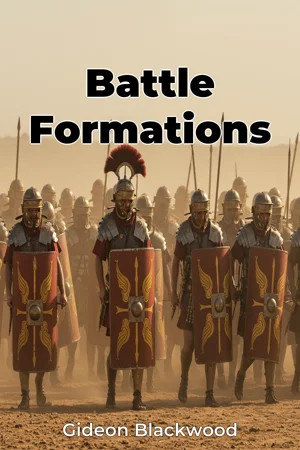
How did the Roman legion conquer an empire, and how does that compare to the strategies used by modern infantry squads? "Battle Formations" explores the evolution of military tactics from antiquity to the present day, revealing how formations have been instrumental in maintaining discipline, maximizing combat effectiveness, and shaping the outcomes of battles. This book examines the interplay between military strategy, technological advancements, and the enduring human element of warfare. The book centers around three major themes: the development of formations through history, the impact of technology on formation design, and the psychological factors influencing their use. These topics are significant because they offer a comprehensive understanding of military successes and failures, highlighting the enduring principles of battlefield command and control. "Battle Formations" provides a historical context for the evolution of military tactics, beginning with ancient civilizations and progressing through medieval warfare, the age of gunpowder, and modern combat. It assumes a basic understanding of military history but provides detailed explanations of specific battles and campaigns to illustrate key concepts. The central argument of this book is that while technology constantly reshapes warfare, the fundamental principles of effective battle formations—discipline, flexibility, and combined arms coordination—remain crucial for success. Analyzing these tenets deepens our understanding of military history and provides valuable lessons for contemporary armed forces. The book begins by introducing core concepts such as linear formations, phalanxes, Roman legions, and cavalry tactics. It progresses to explore how gunpowder weapons led to the development of new formations like the line and column tactics of the Napoleonic era. Further, the book examines the impact of industrialization and modern technology on warfare, including trench warfare, armored warfare, and the evolution of infantry squads. The final section synthesizes these historical trends to identify enduring principles of battlefield tactics and their relevance to modern military operations. The analysis presented in "Battle Formations" primarily draws upon primary source accounts of battles, military treatises, archaeological evidence, and the scholarship of leading military historians. The book relies on battle maps, historical documents, and statistical analyses to support its arguments. The book also connects to other fields of study, such as sociology (examining group dynamics and cohesion in combat), engineering (analyzing the impact of technology on military tactics), and political science (understanding how military innovations influence international relations). These interdisciplinary connections enrich the analysis and provide a broader perspective on the subject matter. "Battle Formations" offers a unique perspective by integrating historical analysis with contemporary military thought, highlighting recurring themes and principles that transcend specific eras or technologies. This approach provides a fresh understanding of the enduring elements of battlefield strategy. The book adopts a formal yet accessible tone, aiming to present complex information in a clear and engaging manner. The writing style combines historical narrative with analytical rigor, making it both informative and thought-provoking. The primary target audience includes military history enthusiasts, students of military science, and serving or retired military personnel. This book offers valuable insights into the evolution of military tactics and their relevance to modern warfare. As a work of military history, "Battle Formations" adheres to standards of accuracy, objectivity, and thorough research. It aims to provide a balanced and comprehensive account of the subject, avoiding excessive speculation or conjecture. While "Battle Formations" covers a broad historical span, it focuses primarily on Western military traditions. The book acknowledges the limitations of this perspective and encourages further research into non-Western military practices. The principles discussed in "Battle Formations" have practical applications for military professionals, policymakers, and anyone interested in understanding the dynamics of conflict. The book provides insights into effective leadership, strategic thinking, and the importance of adaptability in the face of changing circumstances. The book addresses ongoing debates within the field of military history, such as the relative importance of technology versus human factors in determining battlefield outcomes, and the ethical implications of different military tactics. By exploring these controversies, the book encourages critical thinking and a deeper engagement with the subject matter.
How did the Roman legion conquer an empire, and how does that compare to the strategies used by modern infantry squads? "Battle Formations" explores the evolution of military tactics from antiquity to the present day, revealing how formations have been instrumental in maintaining discipline, maximizing combat effectiveness, and shaping the outcomes of battles. This book examines the interplay between military strategy, technological advancements, and the enduring human element of warfare. The book centers around three major themes: the development of formations through history, the impact of technology on formation design, and the psychological factors influencing their use. These topics are significant because they offer a comprehensive understanding of military successes and failures, highlighting the enduring principles of battlefield command and control. "Battle Formations" provides a historical context for the evolution of military tactics, beginning with ancient civilizations and progressing through medieval warfare, the age of gunpowder, and modern combat. It assumes a basic understanding of military history but provides detailed explanations of specific battles and campaigns to illustrate key concepts. The central argument of this book is that while technology constantly reshapes warfare, the fundamental principles of effective battle formations—discipline, flexibility, and combined arms coordination—remain crucial for success. Analyzing these tenets deepens our understanding of military history and provides valuable lessons for contemporary armed forces. The book begins by introducing core concepts such as linear formations, phalanxes, Roman legions, and cavalry tactics. It progresses to explore how gunpowder weapons led to the development of new formations like the line and column tactics of the Napoleonic era. Further, the book examines the impact of industrialization and modern technology on warfare, including trench warfare, armored warfare, and the evolution of infantry squads. The final section synthesizes these historical trends to identify enduring principles of battlefield tactics and their relevance to modern military operations. The analysis presented in "Battle Formations" primarily draws upon primary source accounts of battles, military treatises, archaeological evidence, and the scholarship of leading military historians. The book relies on battle maps, historical documents, and statistical analyses to support its arguments. The book also connects to other fields of study, such as sociology (examining group dynamics and cohesion in combat), engineering (analyzing the impact of technology on military tactics), and political science (understanding how military innovations influence international relations). These interdisciplinary connections enrich the analysis and provide a broader perspective on the subject matter. "Battle Formations" offers a unique perspective by integrating historical analysis with contemporary military thought, highlighting recurring themes and principles that transcend specific eras or technologies. This approach provides a fresh understanding of the enduring elements of battlefield strategy. The book adopts a formal yet accessible tone, aiming to present complex information in a clear and engaging manner. The writing style combines historical narrative with analytical rigor, making it both informative and thought-provoking. The primary target audience includes military history enthusiasts, students of military science, and serving or retired military personnel. This book offers valuable insights into the evolution of military tactics and their relevance to modern warfare. As a work of military history, "Battle Formations" adheres to standards of accuracy, objectivity, and thorough research. It aims to provide a balanced and comprehensive account of the subject, avoiding excessive speculation or conjecture. While "Battle Formations" covers a broad historical span, it focuses primarily on Western military traditions. The book acknowledges the limitations of this perspective and encourages further research into non-Western military practices. The principles discussed in "Battle Formations" have practical applications for military professionals, policymakers, and anyone interested in understanding the dynamics of conflict. The book provides insights into effective leadership, strategic thinking, and the importance of adaptability in the face of changing circumstances. The book addresses ongoing debates within the field of military history, such as the relative importance of technology versus human factors in determining battlefield outcomes, and the ethical implications of different military tactics. By exploring these controversies, the book encourages critical thinking and a deeper engagement with the subject matter.
"Battle Formations" explores the evolution of military tactics and strategy from ancient times to modern warfare, focusing on how formations have shaped military effectiveness. The book highlights the Roman legion, known for its disciplined formations that enabled them to conquer vast territories, and compares these ancient tactics to the strategies employed by contemporary infantry squads. It emphasizes the enduring importance of discipline, flexibility, and combined arms coordination in achieving battlefield success. The book progresses chronologically, starting with linear formations and phalanxes, moving through the impact of gunpowder on tactics during the Napoleonic era, and concluding with the effects of modern technology, such as armored warfare and trench warfare, on military operations. By examining these historical trends, "Battle Formations" identifies key principles that remain relevant to modern military operations, offering insights into leadership, strategic thinking, and adaptability. The analysis draws upon primary source accounts, military treatises, archaeological evidence, and the work of leading military historians.
Book Details
ISBN
9788235299451
Publisher
Publifye AS
Your Licenses
You don't own any licenses for this book
Purchase a license below to unlock this book and download the EPUB.
Purchase License
Select a tier to unlock this book
Need bulk licensing?
Contact us for enterprise agreements.