
About This Book
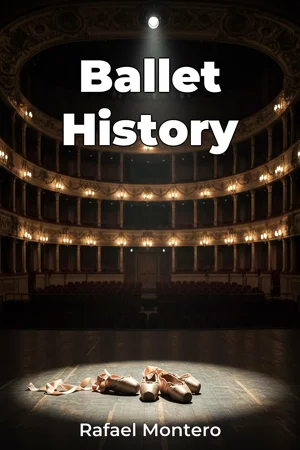
Have you ever wondered how a dancer achieves the seemingly impossible combination of ethereal grace and immense power? "Ballet History" explores the captivating evolution of ballet, tracing its origins and showcasing the dedication, discipline, and artistry required to master this demanding art form. This book delves into the historical context, significant performances, and rigorous training methodologies that have shaped ballet into the spectacle we know today. This book examines ballet's transformation from its roots in Renaissance court spectacles to its current status as a globally recognized and celebrated art form. Understanding this history provides context for appreciating the nuances of ballet technique, choreography, and performance. Furthermore, the text explores the science of ballet, investigating the physiological demands placed on dancers and the training regimens designed to enhance their strength, flexibility, and artistry. "Ballet History" argues that ballet is more than simply a dance form; it is a cultural touchstone reflecting societal values, artistic innovation, and the enduring human desire for expression through movement. This argument is central to understanding ballet's continued relevance and its capacity to inspire and captivate audiences across generations. The book begins by establishing ballet's origins in 15th-century Italy and France, detailing its early integration into courtly entertainment and its subsequent evolution into a more formalized art. We then examine pivotal periods in ballet history, including the Romantic era, characterized by ethereal themes and the rise of the ballerina, and the Ballets Russes period, which brought groundbreaking choreography and design to the forefront. The book dedicates significant attention to the training methodologies employed by ballet dancers, analyzing the physical and mental discipline required to achieve technical mastery and artistic expression. We look at the contributions of key figures, schools of thought, and the impact of cross-cultural influences. The book incorporates historical accounts, performance reviews, and analyses of choreographic works, drawing from archival materials, dance notation, and scholarly research. It also considers the intersection of ballet with music, costume design, and stagecraft, highlighting the collaborative nature of ballet production. “Ballet History” will touch upon connections with other performing arts, such as opera and musical theater, tracing reciprocal influences in choreography, costuming, and stage design. It also considers the influence of ballet on modern dance forms, demonstrating how classical techniques have informed and influenced contemporary movement vocabulary. Finally, the text connects ballet to broader historical and social contexts, considering how political events, cultural trends, and technological innovations have shaped the art form. This volume adopts a chronological framework combined with thematic analyses. It offers a fresh perspective through its blend of historical narrative, technical analysis, and cultural commentary. The writing style prioritizes clarity and accessibility, making complex ideas understandable to a broad readership. "Ballet History" is aimed at anyone interested in dance, performing arts, or cultural history. Whether you are a seasoned balletomane, a student of dance, or simply curious about the history of this art form, this book offers something of value. The book primarily focuses on Western classical ballet, acknowledging but not exhaustively exploring ballet traditions in other cultures. This focus allows for a deeper exploration of the Western ballet lineage and its defining characteristics. The training principles discussed in "Ballet History" can inform athletic training and physical conditioning in other disciplines, providing insights into biomechanics, injury prevention, and the development of physical artistry. Further, understanding ballet's historical evolution can provide insight into other art forms and their relationship with culture. While largely avoiding controversy, the book will acknowledge ongoing discussions about representation, body image, and the evolving role of gender in ballet. These discussions are presented with nuance, rather than positioning as argument.
Have you ever wondered how a dancer achieves the seemingly impossible combination of ethereal grace and immense power? "Ballet History" explores the captivating evolution of ballet, tracing its origins and showcasing the dedication, discipline, and artistry required to master this demanding art form. This book delves into the historical context, significant performances, and rigorous training methodologies that have shaped ballet into the spectacle we know today. This book examines ballet's transformation from its roots in Renaissance court spectacles to its current status as a globally recognized and celebrated art form. Understanding this history provides context for appreciating the nuances of ballet technique, choreography, and performance. Furthermore, the text explores the science of ballet, investigating the physiological demands placed on dancers and the training regimens designed to enhance their strength, flexibility, and artistry. "Ballet History" argues that ballet is more than simply a dance form; it is a cultural touchstone reflecting societal values, artistic innovation, and the enduring human desire for expression through movement. This argument is central to understanding ballet's continued relevance and its capacity to inspire and captivate audiences across generations. The book begins by establishing ballet's origins in 15th-century Italy and France, detailing its early integration into courtly entertainment and its subsequent evolution into a more formalized art. We then examine pivotal periods in ballet history, including the Romantic era, characterized by ethereal themes and the rise of the ballerina, and the Ballets Russes period, which brought groundbreaking choreography and design to the forefront. The book dedicates significant attention to the training methodologies employed by ballet dancers, analyzing the physical and mental discipline required to achieve technical mastery and artistic expression. We look at the contributions of key figures, schools of thought, and the impact of cross-cultural influences. The book incorporates historical accounts, performance reviews, and analyses of choreographic works, drawing from archival materials, dance notation, and scholarly research. It also considers the intersection of ballet with music, costume design, and stagecraft, highlighting the collaborative nature of ballet production. “Ballet History” will touch upon connections with other performing arts, such as opera and musical theater, tracing reciprocal influences in choreography, costuming, and stage design. It also considers the influence of ballet on modern dance forms, demonstrating how classical techniques have informed and influenced contemporary movement vocabulary. Finally, the text connects ballet to broader historical and social contexts, considering how political events, cultural trends, and technological innovations have shaped the art form. This volume adopts a chronological framework combined with thematic analyses. It offers a fresh perspective through its blend of historical narrative, technical analysis, and cultural commentary. The writing style prioritizes clarity and accessibility, making complex ideas understandable to a broad readership. "Ballet History" is aimed at anyone interested in dance, performing arts, or cultural history. Whether you are a seasoned balletomane, a student of dance, or simply curious about the history of this art form, this book offers something of value. The book primarily focuses on Western classical ballet, acknowledging but not exhaustively exploring ballet traditions in other cultures. This focus allows for a deeper exploration of the Western ballet lineage and its defining characteristics. The training principles discussed in "Ballet History" can inform athletic training and physical conditioning in other disciplines, providing insights into biomechanics, injury prevention, and the development of physical artistry. Further, understanding ballet's historical evolution can provide insight into other art forms and their relationship with culture. While largely avoiding controversy, the book will acknowledge ongoing discussions about representation, body image, and the evolving role of gender in ballet. These discussions are presented with nuance, rather than positioning as argument.
"Ballet History" explores the rich and captivating evolution of ballet, from its origins in Renaissance courts to its modern-day status as a globally celebrated art form. The book traces ballet's development through pivotal periods, such as the Romantic era, which saw the rise of the ballerina and ethereal themes, and the Ballets Russes, known for its groundbreaking choreography and design. Readers will gain insight into the rigorous training methodologies, the physiological demands placed on dancers, and the cultural values that have shaped ballet across generations. The book approaches the topic through a blend of historical narrative, technical analysis, and cultural commentary. It begins by establishing ballet's roots in 15th-century Italy and France, then examines key periods and the contributions of influential figures. Furthermore, the book considers ballet's intersection with music, costume design, and other performing arts, highlighting the collaborative nature of ballet production. It emphasizes how ballet, as a cultural touchstone, reflects societal values and the enduring human desire for self-expression through movement. Aimed at anyone interested in dance, performing arts history, or cultural history, "Ballet History" adopts a chronological framework combined with thematic analyses to offer a fresh perspective. The book also acknowledges ongoing discussions about representation, body image, and the evolving role of gender in ballet, presented with nuance.
Book Details
ISBN
9788235299291
Publisher
Publifye AS
Your Licenses
You don't own any licenses for this book
Purchase a license below to unlock this book and download the EPUB.
Purchase License
Select a tier to unlock this book
Need bulk licensing?
Contact us for enterprise agreements.