
About This Book
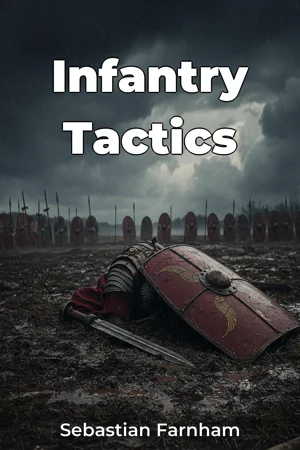
How have changes in technology, social structures, and political landscapes shaped the ways infantry soldiers fight? "Infantry Tactics" explores this question through a comprehensive analysis of the evolution of infantry combat, from ancient times to the present day. This book examines the critical developments in infantry tactics, strategies, and technologies, and their profound impact on the course of military history. The key topics explored include the progression from massed formations like the phalanx to the more fluid, dispersed tactics of modern fire-and-maneuver. Emphasis will be placed on understanding the impact of technological innovations – from the spear and shield to firearms and advanced communication systems – on tactical doctrine. This evolution is vital to understanding not only military history but also the broader historical forces that drive societal and technological change. This book argues that infantry tactics are not simply about battlefield maneuvers but reflect the complex interplay between technology, societal values, and military organization. Analyzing this interplay reveals patterns of adaptation and innovation that repeat throughout history, offering insights into the nature of warfare itself. "Infantry Tactics" is structured chronologically, beginning with an examination of ancient infantry tactics, focusing on the Greek phalanx, Roman legions, and other early forms of organized combat. The book then progresses through the medieval period, analyzing the rise of heavy cavalry and the adaptations infantry made to counter it. A significant portion of the book is dedicated to the gunpowder revolution and its transformative effect on infantry warfare, from the pike-and-shot formations of the Renaissance to the linear tactics of the Napoleonic era. The 20th and 21st centuries are explored in detail, focusing on the impact of industrialization, mechanization, and information technology on infantry tactics, ultimately leading to the fire-and-maneuver strategies prevalent in modern warfare. The analysis is based on a wide range of primary and secondary sources, including military manuals, historical accounts, archaeological findings, and contemporary analyses of battlefield performance. The book also incorporates data from battlefield simulations and wargaming to illustrate the effectiveness of different tactical approaches. The study of infantry tactics naturally connects to other fields, such as political science (the influence of political ideologies on military organization), sociology (the impact of social structures on military recruitment and cohesion), and technology (the role of innovation in shaping battlefield tactics). These interdisciplinary connections enrich the analysis and provide a broader understanding of the factors that influence the evolution of infantry combat. This book offers a unique perspective by emphasizing the adaptive nature of infantry tactics. It highlights how infantry forces have consistently evolved in response to new threats and opportunities, demonstrating the enduring importance of human ingenuity and adaptability in warfare. Written in a clear and accessible style, "Infantry Tactics" is aimed at military history enthusiasts, students of military science, and anyone interested in the evolution of warfare. The book provides valuable insights for military professionals seeking to understand the historical context of modern infantry tactics. The scope of "Infantry Tactics" is broad, covering a vast historical period and a wide range of geographic regions. However, the book is intentionally limited in its focus on infantry tactics, rather than broader strategic or political considerations. The information presented in this book has real-world applications for military professionals, historians, and policymakers. By understanding the historical evolution of infantry tactics, readers can gain insights into the challenges and opportunities facing modern infantry forces. This historical perspective is essential for developing effective strategies and tactics in the ever-changing landscape of contemporary warfare. The book also addresses ongoing debates about the future of infantry warfare, including the role of technology, the importance of human factors, and the challenges of operating in complex and urban environments. By engaging with these debates, "Infantry Tactics" contributes to a deeper understanding of the past, present, and future of infantry combat.
How have changes in technology, social structures, and political landscapes shaped the ways infantry soldiers fight? "Infantry Tactics" explores this question through a comprehensive analysis of the evolution of infantry combat, from ancient times to the present day. This book examines the critical developments in infantry tactics, strategies, and technologies, and their profound impact on the course of military history. The key topics explored include the progression from massed formations like the phalanx to the more fluid, dispersed tactics of modern fire-and-maneuver. Emphasis will be placed on understanding the impact of technological innovations – from the spear and shield to firearms and advanced communication systems – on tactical doctrine. This evolution is vital to understanding not only military history but also the broader historical forces that drive societal and technological change. This book argues that infantry tactics are not simply about battlefield maneuvers but reflect the complex interplay between technology, societal values, and military organization. Analyzing this interplay reveals patterns of adaptation and innovation that repeat throughout history, offering insights into the nature of warfare itself. "Infantry Tactics" is structured chronologically, beginning with an examination of ancient infantry tactics, focusing on the Greek phalanx, Roman legions, and other early forms of organized combat. The book then progresses through the medieval period, analyzing the rise of heavy cavalry and the adaptations infantry made to counter it. A significant portion of the book is dedicated to the gunpowder revolution and its transformative effect on infantry warfare, from the pike-and-shot formations of the Renaissance to the linear tactics of the Napoleonic era. The 20th and 21st centuries are explored in detail, focusing on the impact of industrialization, mechanization, and information technology on infantry tactics, ultimately leading to the fire-and-maneuver strategies prevalent in modern warfare. The analysis is based on a wide range of primary and secondary sources, including military manuals, historical accounts, archaeological findings, and contemporary analyses of battlefield performance. The book also incorporates data from battlefield simulations and wargaming to illustrate the effectiveness of different tactical approaches. The study of infantry tactics naturally connects to other fields, such as political science (the influence of political ideologies on military organization), sociology (the impact of social structures on military recruitment and cohesion), and technology (the role of innovation in shaping battlefield tactics). These interdisciplinary connections enrich the analysis and provide a broader understanding of the factors that influence the evolution of infantry combat. This book offers a unique perspective by emphasizing the adaptive nature of infantry tactics. It highlights how infantry forces have consistently evolved in response to new threats and opportunities, demonstrating the enduring importance of human ingenuity and adaptability in warfare. Written in a clear and accessible style, "Infantry Tactics" is aimed at military history enthusiasts, students of military science, and anyone interested in the evolution of warfare. The book provides valuable insights for military professionals seeking to understand the historical context of modern infantry tactics. The scope of "Infantry Tactics" is broad, covering a vast historical period and a wide range of geographic regions. However, the book is intentionally limited in its focus on infantry tactics, rather than broader strategic or political considerations. The information presented in this book has real-world applications for military professionals, historians, and policymakers. By understanding the historical evolution of infantry tactics, readers can gain insights into the challenges and opportunities facing modern infantry forces. This historical perspective is essential for developing effective strategies and tactics in the ever-changing landscape of contemporary warfare. The book also addresses ongoing debates about the future of infantry warfare, including the role of technology, the importance of human factors, and the challenges of operating in complex and urban environments. By engaging with these debates, "Infantry Tactics" contributes to a deeper understanding of the past, present, and future of infantry combat.
"Infantry Tactics" delves into the dynamic evolution of infantry combat from ancient times to the present, illustrating how technological advancements and societal shifts have shaped battlefield strategies. The book examines how infantry tactics have adapted over centuries, moving from the rigid formations of the phalanx to the fluid fire-and-maneuver tactics of today. A key insight is the understanding of how innovations, such as the transition from spears to firearms, have revolutionized tactical doctrine, underscoring the intricate relationship between military science and broader historical forces. The book uniquely emphasizes the adaptive nature of infantry tactics, highlighting the continuous evolution in response to new threats. Organized chronologically, "Infantry Tactics" begins with ancient warfare, progresses through the medieval period, and dedicates significant attention to the impact of gunpowder and industrialization. By analyzing military manuals, historical accounts, and battlefield simulations, the book offers readers a comprehensive understanding of the past, present, and future of infantry combat, providing valuable insights for military professionals, historians, and anyone interested in military history.
Book Details
ISBN
9788235299178
Publisher
Publifye AS
Your Licenses
You don't own any licenses for this book
Purchase a license below to unlock this book and download the EPUB.
Purchase License
Select a tier to unlock this book
Need bulk licensing?
Contact us for enterprise agreements.