
About This Book
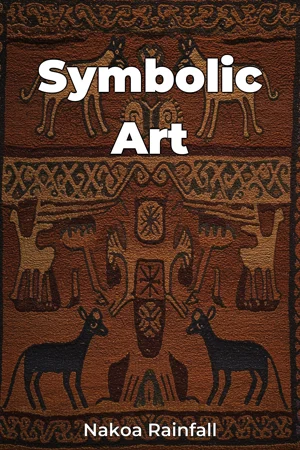
Can art unlock the secrets of lost civilizations and forgotten histories? "Symbolic Art" delves into the rich tapestry of indigenous art forms across the globe, exploring how these visual languages—from ancient rock carvings to intricate textiles—serve as vital conduits for conveying history, shaping cultural identity, and embodying complex belief systems. This book illuminates the profound significance of indigenous art as a powerful form of communication, preserving cultural memory, and expressing spiritual understanding. We will explore two fundamental themes: the function of art as a historical record and its role in constructing and maintaining cultural identity. Indigenous art often acts as the primary, and sometimes only, record of a community's history, traditions, and worldview. Its importance lies in providing access to perspectives often marginalized or absent from mainstream historical narratives. Understanding indigenous art requires acknowledging the deep interconnectedness between artistic expression and cultural context. This book will examine how environmental factors, social structures, and spiritual beliefs influence the creation and interpretation of these art forms. A reader will gain a solid understanding of the methodologies used to analyze and interpret indigenous art, including iconographic analysis, ethnographic research, and oral history. "Symbolic Art" argues that indigenous art is not merely aesthetic; it is a dynamic and integral component of cultural survival and resilience. Through careful analysis of recurring symbols, motifs, and techniques, the book uncovers the nuanced ways in which indigenous artists encode historical narratives, reaffirm communal bonds, and transmit ancestral knowledge across generations. The book is structured in three parts. Part one introduces the core concepts, including the definition of indigenous art, the challenges of interpretation, and the ethical considerations involved in studying cultural heritage. Part two explores specific case studies from diverse geographical regions, each chapter focusing on a particular art form (e.g., Australian Aboriginal dot painting, Northwest Coast Native American totem poles, or Andean textiles) and its cultural context. Part three synthesizes these case studies to identify common themes and patterns in the use of symbolism across different indigenous cultures, culminating in a discussion of the role of art in contemporary indigenous activism and cultural revitalization. The book draws upon a wide array of evidence, including archaeological findings, museum collections, ethnographic fieldwork, and interviews with indigenous artists and cultural experts. It also incorporates insights from related disciplines such as anthropology, archaeology, art history, and religious studies. This interdisciplinary approach allows for a more holistic and nuanced understanding of the complex social, historical, and spiritual dimensions of indigenous art. A unique aspect of "Symbolic Art" is its emphasis on decolonizing art historical methodologies, advocating for a more collaborative and respectful approach to studying indigenous art that centers indigenous voices and perspectives. The overall tone is academic yet accessible, aiming to engage both specialists and general readers interested in art, history, and cultural studies. The intended audience includes students, researchers, museum professionals, and anyone seeking a deeper appreciation for the cultural significance of indigenous art. The book provides valuable insights into the ways in which art can serve as a powerful tool for cultural preservation, social justice, and intercultural understanding. While the book aims to provide a broad overview of indigenous art forms worldwide, it acknowledges the limitations of attempting to cover such a vast and diverse field comprehensively. The focus is primarily on visual art forms with a strong symbolic component, and the selection of case studies is intended to be representative rather than exhaustive. Ultimately, "Symbolic Art" seeks to inspire readers to recognize the profound value of indigenous art as a source of historical knowledge, cultural identity, and spiritual wisdom, and encourages engagement to support the preservation and revitalization of these vital cultural traditions. The book navigates complex issues surrounding cultural appropriation and repatriation, contributing to ongoing debates about ethical stewardship of cultural heritage and the importance of respecting indigenous intellectual property rights.
Can art unlock the secrets of lost civilizations and forgotten histories? "Symbolic Art" delves into the rich tapestry of indigenous art forms across the globe, exploring how these visual languages—from ancient rock carvings to intricate textiles—serve as vital conduits for conveying history, shaping cultural identity, and embodying complex belief systems. This book illuminates the profound significance of indigenous art as a powerful form of communication, preserving cultural memory, and expressing spiritual understanding. We will explore two fundamental themes: the function of art as a historical record and its role in constructing and maintaining cultural identity. Indigenous art often acts as the primary, and sometimes only, record of a community's history, traditions, and worldview. Its importance lies in providing access to perspectives often marginalized or absent from mainstream historical narratives. Understanding indigenous art requires acknowledging the deep interconnectedness between artistic expression and cultural context. This book will examine how environmental factors, social structures, and spiritual beliefs influence the creation and interpretation of these art forms. A reader will gain a solid understanding of the methodologies used to analyze and interpret indigenous art, including iconographic analysis, ethnographic research, and oral history. "Symbolic Art" argues that indigenous art is not merely aesthetic; it is a dynamic and integral component of cultural survival and resilience. Through careful analysis of recurring symbols, motifs, and techniques, the book uncovers the nuanced ways in which indigenous artists encode historical narratives, reaffirm communal bonds, and transmit ancestral knowledge across generations. The book is structured in three parts. Part one introduces the core concepts, including the definition of indigenous art, the challenges of interpretation, and the ethical considerations involved in studying cultural heritage. Part two explores specific case studies from diverse geographical regions, each chapter focusing on a particular art form (e.g., Australian Aboriginal dot painting, Northwest Coast Native American totem poles, or Andean textiles) and its cultural context. Part three synthesizes these case studies to identify common themes and patterns in the use of symbolism across different indigenous cultures, culminating in a discussion of the role of art in contemporary indigenous activism and cultural revitalization. The book draws upon a wide array of evidence, including archaeological findings, museum collections, ethnographic fieldwork, and interviews with indigenous artists and cultural experts. It also incorporates insights from related disciplines such as anthropology, archaeology, art history, and religious studies. This interdisciplinary approach allows for a more holistic and nuanced understanding of the complex social, historical, and spiritual dimensions of indigenous art. A unique aspect of "Symbolic Art" is its emphasis on decolonizing art historical methodologies, advocating for a more collaborative and respectful approach to studying indigenous art that centers indigenous voices and perspectives. The overall tone is academic yet accessible, aiming to engage both specialists and general readers interested in art, history, and cultural studies. The intended audience includes students, researchers, museum professionals, and anyone seeking a deeper appreciation for the cultural significance of indigenous art. The book provides valuable insights into the ways in which art can serve as a powerful tool for cultural preservation, social justice, and intercultural understanding. While the book aims to provide a broad overview of indigenous art forms worldwide, it acknowledges the limitations of attempting to cover such a vast and diverse field comprehensively. The focus is primarily on visual art forms with a strong symbolic component, and the selection of case studies is intended to be representative rather than exhaustive. Ultimately, "Symbolic Art" seeks to inspire readers to recognize the profound value of indigenous art as a source of historical knowledge, cultural identity, and spiritual wisdom, and encourages engagement to support the preservation and revitalization of these vital cultural traditions. The book navigates complex issues surrounding cultural appropriation and repatriation, contributing to ongoing debates about ethical stewardship of cultural heritage and the importance of respecting indigenous intellectual property rights.
"Symbolic Art" explores the world of indigenous art, revealing how visual expressions serve as vital records of history, shapers of cultural identity, and embodiments of belief systems. The book emphasizes the role of indigenous art as a powerful form of communication, preserving cultural memory and expressing spiritual understanding often marginalized in mainstream historical narratives. Did you know that indigenous art can be the primary, and sometimes only, record of a community's history? Or that seemingly simple motifs can encode complex historical narratives? This work uniquely advocates for decolonizing art historical methodologies, emphasizing collaborative approaches that center indigenous voices. The book examines the interconnectedness between artistic expression and cultural context, using iconographic analysis, ethnographic research, and oral history. Through case studies from around the world, the book uncovers recurring symbols and techniques used to reaffirm communal bonds and transmit ancestral knowledge. Structured in three parts, the book begins with core concepts, explores specific art forms like Australian Aboriginal dot painting, and synthesizes findings to discuss art's role in contemporary indigenous activism. The book draws from archaeology, museum collections, and interviews, offering a holistic understanding of indigenous art's complex dimensions.
Book Details
ISBN
9788235299116
Publisher
Publifye AS
Your Licenses
You don't own any licenses for this book
Purchase a license below to unlock this book and download the EPUB.
Purchase License
Select a tier to unlock this book
Need bulk licensing?
Contact us for enterprise agreements.