
About This Book
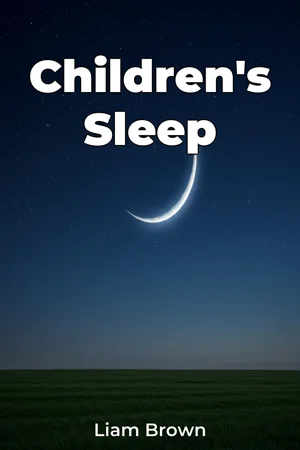
Are you aware that your child's sleep patterns profoundly impact their growth, cognitive development, and emotional well-being? "Children's Sleep" delves into the intricate relationship between sleep and childhood development, providing a comprehensive guide for parents and caregivers seeking to optimize their children's sleep habits. This book explores three central themes: the biological underpinnings of sleep in children, the cognitive and emotional consequences of sleep deprivation, and practical strategies for establishing healthy bedtime routines. Understanding these areas is crucial, as adequate sleep is as fundamental to a child's health as nutrition and exercise. This book examines the science of sleep, outlining the different sleep stages and their specific functions in childhood. We draw on a broad range of sleep studies and psychological research to demonstrate how sleep directly influences physical growth by regulating hormone release, particularly growth hormone. Furthermore, we explore how sleep consolidates memories and enhances learning, crucial for academic success and overall cognitive development. We also discuss the critical role of sleep in emotional regulation, offering insights into how sleep deprivation can contribute to irritability, anxiety, and behavioral problems in children. "Children's Sleep" argues that establishing consistent and appropriate sleep routines is paramount for children's optimal development. This argument is supported by a synthesis of research from the fields of psychology, pediatrics, and education, reinforcing the interconnectedness of sleep with various facets of a child’s life. This book is structured to guide the reader through a progressive understanding of children's sleep. The initial chapters introduce the core concepts of sleep architecture and its physiological relevance to children. Subsequent sections detail the cognitive and emotional repercussions of insufficient sleep, including its effects on academic performance, mood regulation, and social interactions. The book culminates in a practical guide to creating and maintaining effective bedtime routines, addressing common sleep challenges, and tailoring strategies to different age groups and developmental stages. The evidence presented throughout the book is derived from a variety of sources, including longitudinal studies on child development, clinical trials evaluating sleep interventions, and meta-analyses synthesizing findings from numerous research projects. We also incorporate case studies and anecdotal evidence to illustrate the real-world impact of sleep interventions on children's lives. "Children's Sleep" connects to several other disciplines, including pediatric medicine, developmental psychology, and education. By integrating insights from these fields, we provide a holistic understanding of children's sleep that extends beyond mere symptom management. This book adopts a practical, evidence-based approach, translating complex scientific findings into actionable strategies for parents and caregivers. We emphasize the importance of individualized approaches to sleep management, recognizing that each child has unique needs and preferences. The tone throughout is approachable and informative, designed to empower parents with the knowledge and tools they need to promote healthy sleep habits in their children. The target audience is primarily parents, caregivers, educators, and healthcare professionals seeking to improve children's sleep. This book provides valuable insights and practical advice for anyone involved in the care and upbringing of children, offering a foundation for fostering healthy sleep habits that can benefit children throughout their lives. This non-fiction book adheres to the conventions of the parenting and psychology genres by providing evidence-based advice, practical strategies, and clear explanations of complex scientific concepts. While the book covers a broad range of topics related to children's sleep, it focuses primarily on behavioral interventions and strategies that parents can implement at home. We acknowledge that some sleep disorders may require medical intervention and encourage readers to consult with healthcare professionals when necessary. The information presented in "Children's Sleep" can be applied directly to improve children's sleep habits, leading to enhanced academic performance, improved emotional regulation, and better overall health and well-being. By implementing the strategies outlined in this book, parents can create a sleep-friendly environment that supports their children's growth and development. This book acknowledges ongoing debates in the field of sleep research, such as the optimal duration of sleep for different age groups and the effectiveness of various sleep interventions. We present a balanced perspective on these issues, highlighting the strengths and limitations of different approaches and encouraging readers to make informed decisions based on their individual circumstances.
Are you aware that your child's sleep patterns profoundly impact their growth, cognitive development, and emotional well-being? "Children's Sleep" delves into the intricate relationship between sleep and childhood development, providing a comprehensive guide for parents and caregivers seeking to optimize their children's sleep habits. This book explores three central themes: the biological underpinnings of sleep in children, the cognitive and emotional consequences of sleep deprivation, and practical strategies for establishing healthy bedtime routines. Understanding these areas is crucial, as adequate sleep is as fundamental to a child's health as nutrition and exercise. This book examines the science of sleep, outlining the different sleep stages and their specific functions in childhood. We draw on a broad range of sleep studies and psychological research to demonstrate how sleep directly influences physical growth by regulating hormone release, particularly growth hormone. Furthermore, we explore how sleep consolidates memories and enhances learning, crucial for academic success and overall cognitive development. We also discuss the critical role of sleep in emotional regulation, offering insights into how sleep deprivation can contribute to irritability, anxiety, and behavioral problems in children. "Children's Sleep" argues that establishing consistent and appropriate sleep routines is paramount for children's optimal development. This argument is supported by a synthesis of research from the fields of psychology, pediatrics, and education, reinforcing the interconnectedness of sleep with various facets of a child’s life. This book is structured to guide the reader through a progressive understanding of children's sleep. The initial chapters introduce the core concepts of sleep architecture and its physiological relevance to children. Subsequent sections detail the cognitive and emotional repercussions of insufficient sleep, including its effects on academic performance, mood regulation, and social interactions. The book culminates in a practical guide to creating and maintaining effective bedtime routines, addressing common sleep challenges, and tailoring strategies to different age groups and developmental stages. The evidence presented throughout the book is derived from a variety of sources, including longitudinal studies on child development, clinical trials evaluating sleep interventions, and meta-analyses synthesizing findings from numerous research projects. We also incorporate case studies and anecdotal evidence to illustrate the real-world impact of sleep interventions on children's lives. "Children's Sleep" connects to several other disciplines, including pediatric medicine, developmental psychology, and education. By integrating insights from these fields, we provide a holistic understanding of children's sleep that extends beyond mere symptom management. This book adopts a practical, evidence-based approach, translating complex scientific findings into actionable strategies for parents and caregivers. We emphasize the importance of individualized approaches to sleep management, recognizing that each child has unique needs and preferences. The tone throughout is approachable and informative, designed to empower parents with the knowledge and tools they need to promote healthy sleep habits in their children. The target audience is primarily parents, caregivers, educators, and healthcare professionals seeking to improve children's sleep. This book provides valuable insights and practical advice for anyone involved in the care and upbringing of children, offering a foundation for fostering healthy sleep habits that can benefit children throughout their lives. This non-fiction book adheres to the conventions of the parenting and psychology genres by providing evidence-based advice, practical strategies, and clear explanations of complex scientific concepts. While the book covers a broad range of topics related to children's sleep, it focuses primarily on behavioral interventions and strategies that parents can implement at home. We acknowledge that some sleep disorders may require medical intervention and encourage readers to consult with healthcare professionals when necessary. The information presented in "Children's Sleep" can be applied directly to improve children's sleep habits, leading to enhanced academic performance, improved emotional regulation, and better overall health and well-being. By implementing the strategies outlined in this book, parents can create a sleep-friendly environment that supports their children's growth and development. This book acknowledges ongoing debates in the field of sleep research, such as the optimal duration of sleep for different age groups and the effectiveness of various sleep interventions. We present a balanced perspective on these issues, highlighting the strengths and limitations of different approaches and encouraging readers to make informed decisions based on their individual circumstances.
"Children's Sleep" explores the vital connection between sleep and child development, offering parents and caregivers practical guidance to optimize their children's sleep habits. The book highlights how crucial sleep is to a child's health, impacting not only physical growth through hormone regulation but also cognitive functions like memory consolidation and learning, essential for academic success. Understand how sleep deprivation can lead to irritability, anxiety, and behavioral issues, emphasizing the importance of emotional regulation through healthy sleep patterns. The book progresses through stages, starting with the science behind sleep architecture and its relevance to children. It then details the cognitive and emotional consequences of sleep deprivation, including effects on academic performance and mood regulation. Finally, it provides a practical guide for creating effective bedtime routines, tailoring strategies to different age groups and addressing common sleep challenges. By synthesizing research from psychology, pediatrics, and education, "Children's Sleep" advocates for consistent sleep routines, recognizing the interconnectedness of sleep with various facets of a child’s life.
Book Details
ISBN
9788235299024
Publisher
Publifye AS
Your Licenses
You don't own any licenses for this book
Purchase a license below to unlock this book and download the EPUB.
Purchase License
Select a tier to unlock this book
Need bulk licensing?
Contact us for enterprise agreements.