
About This Book
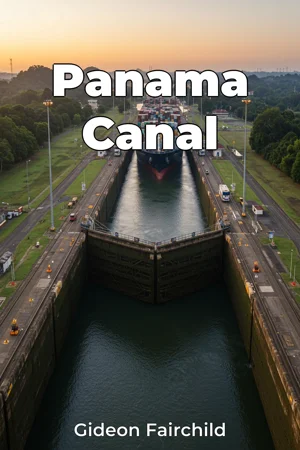
Could a single waterway change the course of global history and trade? "Panama Canal" delves into the intricate story of one of the world’s most ambitious engineering projects, exploring its profound impact on international commerce and the myriad challenges faced during its construction. This book examines not only the canal's physical creation but also its lasting economic benefits and its central role in shaping modern maritime trade. The book is structured around three core themes: the canal’s construction, its economic consequences, and its impact on global trade. The construction phase is critical for understanding the immense human and technological hurdles overcome. The economic analysis underscores how the canal transformed shipping routes and lowered trade costs. Finally, the book will address how the canal has become a strategic chokepoint in the global supply chain, influencing geopolitical dynamics. The historical context is crucial. The book begins with the failed French attempt, highlighting the devastating effects of disease and inadequate engineering. It proceeds to the successful American undertaking, detailing the innovative sanitation methods pioneered by William Gorgas and the engineering prowess of John Stevens and later, George Goethals. Social context is provided through the discussion of the labor force, primarily composed of workers from the Caribbean and other regions, and their experiences. The central argument is that the Panama Canal is more than just a waterway; it is a symbol of human ingenuity, a driver of global economic integration, and a strategic asset that continues to shape international relations. This book asserts that understanding the canal's history, operation, and impact is essential for comprehending the complexities of modern globalization. The book unfolds chronologically, beginning with pre-canal trade routes and early proposals for a trans-isthmian passage. It then covers the French attempt, the American takeover, the construction process, and the canal's opening in 1914. Subsequent chapters analyze its economic impact on various regions, including the United States, Latin America, and Asia. Finally, the book addresses the transfer of the canal to Panamanian control, its expansion in the 21st century, and its future in an evolving global trade landscape. The evidence presented includes archival documents, engineering reports, economic data, and first-hand accounts from those involved in the canal’s construction and operation. The book utilizes quantitative data on shipping volumes, trade flows, and economic growth, as well as qualitative analysis of historical narratives and policy decisions. Interdisciplinary connections are a vital component of the book. First, it links to engineering by examining the innovative technologies and construction techniques employed. Second, it connects to public health by exploring the battle against tropical diseases like malaria and yellow fever. Third, it connects to political science by analyzing the canal's influence on U.S.-Latin American relations and global power dynamics. This book stands out because it offers a comprehensive, multifaceted analysis of the Panama Canal, combining historical narrative with economic analysis and geopolitical insights. It avoids simplistic narratives and delves into the complexities of the canal’s impact. The tone is informative and analytical, aiming to provide a balanced and nuanced perspective on the canal's history and impact. The writing style is accessible to a broad audience, avoiding technical jargon and providing clear explanations of complex concepts. The target audience includes students and scholars of history, economics, and international relations, as well as anyone interested in the story of this landmark achievement. The book provides value by offering a thorough and up-to-date account of the Panama Canal's history, economic significance, and geopolitical implications. As a work of history and economics, the book emphasizes factual accuracy, rigorous analysis, and clear presentation of evidence to support its claims. The book focuses primarily on the Panama Canal itself and its direct impacts, with less emphasis on broader trends in global trade or U.S. foreign policy. This focused approach allows for a detailed examination of the canal's specific role in shaping the world. The information can be applied practically by readers seeking to understand the dynamics of global trade, the challenges of infrastructure development, and the complexities of international relations. Policymakers, business leaders, and students can all gain insights from this comprehensive analysis. The book addresses ongoing debates about the canal's economic impact, its role in U.S. foreign policy, and its environmental sustainability. It presents different perspectives on these issues and encourages readers to draw their own conclusions based on the evidence presented.
Could a single waterway change the course of global history and trade? "Panama Canal" delves into the intricate story of one of the world’s most ambitious engineering projects, exploring its profound impact on international commerce and the myriad challenges faced during its construction. This book examines not only the canal's physical creation but also its lasting economic benefits and its central role in shaping modern maritime trade. The book is structured around three core themes: the canal’s construction, its economic consequences, and its impact on global trade. The construction phase is critical for understanding the immense human and technological hurdles overcome. The economic analysis underscores how the canal transformed shipping routes and lowered trade costs. Finally, the book will address how the canal has become a strategic chokepoint in the global supply chain, influencing geopolitical dynamics. The historical context is crucial. The book begins with the failed French attempt, highlighting the devastating effects of disease and inadequate engineering. It proceeds to the successful American undertaking, detailing the innovative sanitation methods pioneered by William Gorgas and the engineering prowess of John Stevens and later, George Goethals. Social context is provided through the discussion of the labor force, primarily composed of workers from the Caribbean and other regions, and their experiences. The central argument is that the Panama Canal is more than just a waterway; it is a symbol of human ingenuity, a driver of global economic integration, and a strategic asset that continues to shape international relations. This book asserts that understanding the canal's history, operation, and impact is essential for comprehending the complexities of modern globalization. The book unfolds chronologically, beginning with pre-canal trade routes and early proposals for a trans-isthmian passage. It then covers the French attempt, the American takeover, the construction process, and the canal's opening in 1914. Subsequent chapters analyze its economic impact on various regions, including the United States, Latin America, and Asia. Finally, the book addresses the transfer of the canal to Panamanian control, its expansion in the 21st century, and its future in an evolving global trade landscape. The evidence presented includes archival documents, engineering reports, economic data, and first-hand accounts from those involved in the canal’s construction and operation. The book utilizes quantitative data on shipping volumes, trade flows, and economic growth, as well as qualitative analysis of historical narratives and policy decisions. Interdisciplinary connections are a vital component of the book. First, it links to engineering by examining the innovative technologies and construction techniques employed. Second, it connects to public health by exploring the battle against tropical diseases like malaria and yellow fever. Third, it connects to political science by analyzing the canal's influence on U.S.-Latin American relations and global power dynamics. This book stands out because it offers a comprehensive, multifaceted analysis of the Panama Canal, combining historical narrative with economic analysis and geopolitical insights. It avoids simplistic narratives and delves into the complexities of the canal’s impact. The tone is informative and analytical, aiming to provide a balanced and nuanced perspective on the canal's history and impact. The writing style is accessible to a broad audience, avoiding technical jargon and providing clear explanations of complex concepts. The target audience includes students and scholars of history, economics, and international relations, as well as anyone interested in the story of this landmark achievement. The book provides value by offering a thorough and up-to-date account of the Panama Canal's history, economic significance, and geopolitical implications. As a work of history and economics, the book emphasizes factual accuracy, rigorous analysis, and clear presentation of evidence to support its claims. The book focuses primarily on the Panama Canal itself and its direct impacts, with less emphasis on broader trends in global trade or U.S. foreign policy. This focused approach allows for a detailed examination of the canal's specific role in shaping the world. The information can be applied practically by readers seeking to understand the dynamics of global trade, the challenges of infrastructure development, and the complexities of international relations. Policymakers, business leaders, and students can all gain insights from this comprehensive analysis. The book addresses ongoing debates about the canal's economic impact, its role in U.S. foreign policy, and its environmental sustainability. It presents different perspectives on these issues and encourages readers to draw their own conclusions based on the evidence presented.
"Panama Canal" explores the history and economic significance of the world's most ambitious engineering projects and its profound influence on global trade. The book begins by examining the failed French attempt at construction, highlighting the devastating impact of disease, before detailing the successful American takeover. It emphasizes the canal's role as a strategic chokepoint in the global supply chain and examines how the canal transformed shipping routes, significantly lowering trade costs. The book unfolds chronologically, beginning with pre-canal trade routes and early proposals for a trans-isthmian passage. It covers the French attempt, the American takeover, and the construction process, before analyzing its economic impact on regions like the United States, Latin America, and Asia. The book stands out by combining historical narrative with economic analysis and geopolitical insights, offering a multifaceted analysis of the Panama Canal. The book presents archival documents, engineering reports, and economic data to support its claims, allowing readers to understand the dynamics of global trade and the complexities of international relations. It then addresses the transfer of the canal to Panamanian control and its expansion in the 21st century. Ultimately, this work asserts the Panama Canal is more than just a waterway; it is a symbol of human ingenuity, a driver of global economic integration, and a strategic asset that continues to shape international relations.
Book Details
ISBN
9788235299000
Publisher
Publifye AS
Your Licenses
You don't own any licenses for this book
Purchase a license below to unlock this book and download the EPUB.
Purchase License
Select a tier to unlock this book
Need bulk licensing?
Contact us for enterprise agreements.