
About This Book
From the shadows of ancient ambushes to the technologically advanced battlefields of today, night combat has consistently shaped the outcomes of military conflicts. How has the evolution of night operations transformed warfare, and what are the implications for future military strategies? "Night Operations" delves into the multifaceted history and technological advancements that have defined combat in the dark. This book examines three key areas: the historical progression of night warfare, the impact of technological innovations such as night vision and advanced sensors, and the evolving tactical doctrines employed in night operations. These topics are critical because night offers a unique environment that can amplify advantages and mask weaknesses, making mastery of night operations essential for military success. Failure to adapt to the challenges and opportunities presented by the night has historically led to devastating consequences. "Night Operations" begins by establishing a historical context, examining early examples of night raids and ambushes, analyzing the Battle of Trenton, and tracing the development of specialized night fighting units in various armies. This historical foundation provides a crucial understanding of the enduring principles of night warfare, revealing how fundamental tactics have persisted despite technological advancements. The central argument of "Night Operations" is that technological innovation has not fundamentally altered the principles of night combat but has rather amplified existing advantages and disadvantages. Superior technology, without a corresponding adaptation of tactics and training, provides only a marginal benefit. The book showcases how successful night operations integrate advanced technology with robust training and tactical flexibility. The book's structure follows a chronological and thematic approach. First, it introduces the basic principles of night combat and its historical roots. Second, it explores the pivotal technological advancements, from early infrared devices to modern digital night vision and thermal imaging systems. Third, the book analyzes case studies of significant night operations throughout history, demonstrating how different armies have adapted – or failed to adapt – to the challenges of night warfare. Finally, "Night Operations" culminates with a discussion of the future of night combat, considering the impact of emerging technologies like artificial intelligence and autonomous systems. The evidence presented in "Night Operations" draws upon a wide range of primary and secondary sources, including military archives, after-action reports, technical manuals, and first-hand accounts from soldiers who have participated in night operations. Unique data sources include declassified military documents detailing the performance of night vision equipment in various operational environments and detailed analyses of tactical decisions made during historical night battles. "Night Operations" connects with several other fields, including technology, history, and military strategy. It provides technological context for understanding the development and deployment of advanced sensors and imaging systems and offers historical insights crucial for interpreting the evolution of military tactics. Furthermore, it informs contemporary debates in military strategy and defense policy regarding the role of technology in modern warfare. A unique aspect of "Night Operations" is its focus on the human element in night combat, exploring the psychological and physiological challenges faced by soldiers operating in the dark. The book also examines the ethical considerations surrounding the use of advanced night vision technology, including the potential for increased civilian casualties. The book adopts a professional and accessible writing style, striving to present complex technical information in a clear and engaging manner. It is intended for a broad audience, including military professionals, defense analysts, historians, technology enthusiasts, and anyone interested in the evolution of warfare. "Night Operations" offers valuable insights into the strategic and tactical implications of night combat and the pivotal role of technology in shaping modern military operations. The scope of "Night Operations" is comprehensive, covering the historical evolution of night combat from ancient times to the present day, and it also covers all the major technologies employed in night combat. This includes airborne, land-based, and naval applications. While the book examines specific case studies, its primary focus is on providing a broad overview of the subject matter. The information presented in "Night Operations" has practical applications for military planners, defense contractors, and policymakers. It can inform decisions regarding technology procurement, training programs, and tactical doctrine development. By understanding the historical trends and technological advancements in night combat, readers can gain a deeper appreciation for the complexities of modern warfare and the challenges of maintaining a competitive edge in an ever-evolving security environment. One ongoing debate addressed in "Night Operations" concerns the potential for over-reliance on technology in night warfare. Some argue that advanced night vision and sensor technologies can create a false sense of security, leading to complacency and a neglect of basic infantry skills. The book explores this debate, examining the evidence for and against the argument that technology can be a substitute for sound tactics and rigorous training.
From the shadows of ancient ambushes to the technologically advanced battlefields of today, night combat has consistently shaped the outcomes of military conflicts. How has the evolution of night operations transformed warfare, and what are the implications for future military strategies? "Night Operations" delves into the multifaceted history and technological advancements that have defined combat in the dark. This book examines three key areas: the historical progression of night warfare, the impact of technological innovations such as night vision and advanced sensors, and the evolving tactical doctrines employed in night operations. These topics are critical because night offers a unique environment that can amplify advantages and mask weaknesses, making mastery of night operations essential for military success. Failure to adapt to the challenges and opportunities presented by the night has historically led to devastating consequences. "Night Operations" begins by establishing a historical context, examining early examples of night raids and ambushes, analyzing the Battle of Trenton, and tracing the development of specialized night fighting units in various armies. This historical foundation provides a crucial understanding of the enduring principles of night warfare, revealing how fundamental tactics have persisted despite technological advancements. The central argument of "Night Operations" is that technological innovation has not fundamentally altered the principles of night combat but has rather amplified existing advantages and disadvantages. Superior technology, without a corresponding adaptation of tactics and training, provides only a marginal benefit. The book showcases how successful night operations integrate advanced technology with robust training and tactical flexibility. The book's structure follows a chronological and thematic approach. First, it introduces the basic principles of night combat and its historical roots. Second, it explores the pivotal technological advancements, from early infrared devices to modern digital night vision and thermal imaging systems. Third, the book analyzes case studies of significant night operations throughout history, demonstrating how different armies have adapted – or failed to adapt – to the challenges of night warfare. Finally, "Night Operations" culminates with a discussion of the future of night combat, considering the impact of emerging technologies like artificial intelligence and autonomous systems. The evidence presented in "Night Operations" draws upon a wide range of primary and secondary sources, including military archives, after-action reports, technical manuals, and first-hand accounts from soldiers who have participated in night operations. Unique data sources include declassified military documents detailing the performance of night vision equipment in various operational environments and detailed analyses of tactical decisions made during historical night battles. "Night Operations" connects with several other fields, including technology, history, and military strategy. It provides technological context for understanding the development and deployment of advanced sensors and imaging systems and offers historical insights crucial for interpreting the evolution of military tactics. Furthermore, it informs contemporary debates in military strategy and defense policy regarding the role of technology in modern warfare. A unique aspect of "Night Operations" is its focus on the human element in night combat, exploring the psychological and physiological challenges faced by soldiers operating in the dark. The book also examines the ethical considerations surrounding the use of advanced night vision technology, including the potential for increased civilian casualties. The book adopts a professional and accessible writing style, striving to present complex technical information in a clear and engaging manner. It is intended for a broad audience, including military professionals, defense analysts, historians, technology enthusiasts, and anyone interested in the evolution of warfare. "Night Operations" offers valuable insights into the strategic and tactical implications of night combat and the pivotal role of technology in shaping modern military operations. The scope of "Night Operations" is comprehensive, covering the historical evolution of night combat from ancient times to the present day, and it also covers all the major technologies employed in night combat. This includes airborne, land-based, and naval applications. While the book examines specific case studies, its primary focus is on providing a broad overview of the subject matter. The information presented in "Night Operations" has practical applications for military planners, defense contractors, and policymakers. It can inform decisions regarding technology procurement, training programs, and tactical doctrine development. By understanding the historical trends and technological advancements in night combat, readers can gain a deeper appreciation for the complexities of modern warfare and the challenges of maintaining a competitive edge in an ever-evolving security environment. One ongoing debate addressed in "Night Operations" concerns the potential for over-reliance on technology in night warfare. Some argue that advanced night vision and sensor technologies can create a false sense of security, leading to complacency and a neglect of basic infantry skills. The book explores this debate, examining the evidence for and against the argument that technology can be a substitute for sound tactics and rigorous training.
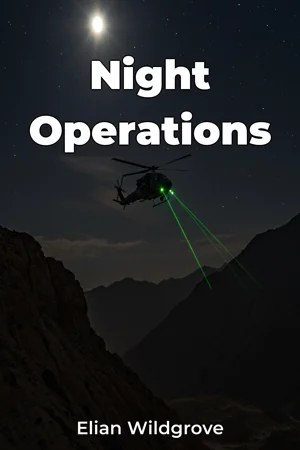
"Night Operations" examines the compelling history and evolution of night warfare, highlighting how combat in the dark has shaped military conflicts across eras. The book explores the development of night operations through a blend of historical analysis, technological insight, and tactical doctrine. Readers will discover how early night raids have evolved into sophisticated military strategies, influenced significantly by technological innovations like night vision and infrared devices. The book argues that while technology has amplified advantages in night combat, it hasn't fundamentally changed the core principles. For example, the element of surprise, crucial in the Battle of Trenton, remains vital even with modern thermal imaging. "Night Operations" progresses chronologically, starting with historical roots, then delving into technological advancements, and finally analyzing case studies to reveal how armies have adapted (or failed to adapt). A unique aspect is its focus on the human element, exploring the psychological challenges faced by soldiers in the dark and ethical considerations of night vision technology. By drawing on military archives and first-hand accounts, "Night Operations" offers a broad overview, illustrating how technology, history, and military strategy converge to inform modern warfare and defense policy.
Book Details
ISBN
9788235298867
Publisher
Publifye AS
Your Licenses
You don't own any licenses for this book
Purchase a license below to unlock this book and download the EPUB.
Purchase License
Select a tier to unlock this book
Need bulk licensing?
Contact us for enterprise agreements.