
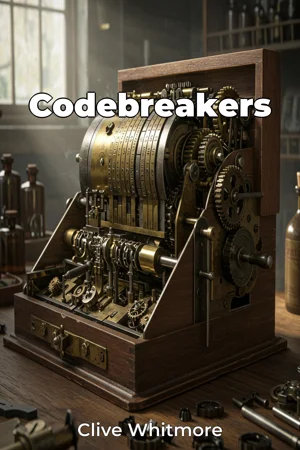
About This Book
Have you ever wondered how secret messages shaped the course of history? "Codebreakers" delves into the captivating world of cryptology, exploring the lives and accomplishments of the individuals who dedicated their skills to deciphering codes and protecting sensitive information. This book examines the pivotal roles codebreakers played in military conflicts, intelligence operations, and the solving of perplexing mysteries, offering a comprehensive look at their techniques and impact on society. Two key topics are explored: the evolution of cryptographic methods throughout history and the personal stories of the codebreakers themselves. Understanding the historical progression of codes, from simple substitution ciphers to complex algorithms, is crucial to grasping the ongoing battle between code makers and code breakers. The personal narratives highlight the creativity, ingenuity, and relentless dedication required to excel in this high-stakes field. These topics are important because they demonstrate the constant need for innovation in both creating and breaking codes, a cycle that continues to influence modern cybersecurity and data protection. The book provides historical context by examining the technological advancements and geopolitical events that spurred cryptographic development. For instance, the rise of radio communication in the early 20th century created an urgent need for secure transmission of information, leading to the invention of complex machines like the Enigma. No specific prerequisite knowledge is needed; the book provides necessary explanations of cryptographic principles in an accessible manner. The central argument of "Codebreakers" is that the art and science of cryptology have been a powerful, yet often unseen, force shaping historical events and influencing national security. This argument is important because it highlights the crucial role of intelligence and the often-unsung heroes who work tirelessly to protect vital information. The book demonstrates this argument by showcasing specific historical case studies. The book begins by introducing fundamental cryptographic concepts and the earliest methods of encryption. It then progresses chronologically, examining major developments in codebreaking during key historical periods, such as World War I, World War II, and the Cold War. Significant chapters focus on the breaking of the Enigma code at Bletchley Park, the decipherment of Japanese naval codes before the Battle of Midway, and the role of codebreakers in Cold War espionage. Each chapter presents detailed analyses of the methods used, the challenges faced, and the impact of these endeavors. The book culminates with a discussion of modern cryptography and its implications for cybersecurity, data privacy, and the future of warfare. Practical applications and implications of cryptography are emphasized throughout the book. The evidence presented in "Codebreakers" is drawn from primary sources, including declassified government documents, personal papers of codebreakers, and technical manuals. It also incorporates secondary sources, such as biographies, historical analyses, and scholarly articles on cryptography. This book connects to several other fields, including history, mathematics, and computer science. The historical context demonstrates the influence of codebreaking on major events. The mathematical principles underlying cryptography are explained to show their importance, and the connection to computer science is evident in the discussion of modern cryptographic algorithms and cybersecurity. These connections provide a deeper perspective of the subject matter. "Codebreakers" stands out by providing a human-centered narrative of cryptology. It focuses on the individual stories of codebreakers and their contributions, rather than solely on the technical aspects of cryptography. The writing style is narrative non-fiction, aiming to be both informative and engaging. It presents complex ideas in an accessible manner. The target audience includes history enthusiasts, students of military history, individuals interested in mathematics and computer science, and anyone fascinated by puzzles and mysteries. The book would be valuable to them because it offers a unique perspective on historical events and a deep dive into the world of cryptology. As a work of history and biography, "Codebreakers" adheres to historical accuracy, presenting well-researched information. The scope of "Codebreakers" is broad, covering the history of cryptology from ancient times to the present day. However, it is limited in its depth of technical analysis, focusing more on the historical and biographical aspects of codebreaking. Understanding cryptography is increasingly relevant in the digital age. The concepts and techniques discussed in the book can be applied to securing personal data, protecting online communications, and understanding the challenges of cybersecurity. While the history of codebreaking is often presented as a triumphant narrative, "Codebreakers" also acknowledges ongoing debates about the ethical implications of cryptography, such as its use in surveillance and warfare. "Codebreakers" offers a compelling narrative of the individuals who have shaped the world of secret communication. It serves as a tribute to their ingenuity and tenacity.
Have you ever wondered how secret messages shaped the course of history? "Codebreakers" delves into the captivating world of cryptology, exploring the lives and accomplishments of the individuals who dedicated their skills to deciphering codes and protecting sensitive information. This book examines the pivotal roles codebreakers played in military conflicts, intelligence operations, and the solving of perplexing mysteries, offering a comprehensive look at their techniques and impact on society. Two key topics are explored: the evolution of cryptographic methods throughout history and the personal stories of the codebreakers themselves. Understanding the historical progression of codes, from simple substitution ciphers to complex algorithms, is crucial to grasping the ongoing battle between code makers and code breakers. The personal narratives highlight the creativity, ingenuity, and relentless dedication required to excel in this high-stakes field. These topics are important because they demonstrate the constant need for innovation in both creating and breaking codes, a cycle that continues to influence modern cybersecurity and data protection. The book provides historical context by examining the technological advancements and geopolitical events that spurred cryptographic development. For instance, the rise of radio communication in the early 20th century created an urgent need for secure transmission of information, leading to the invention of complex machines like the Enigma. No specific prerequisite knowledge is needed; the book provides necessary explanations of cryptographic principles in an accessible manner. The central argument of "Codebreakers" is that the art and science of cryptology have been a powerful, yet often unseen, force shaping historical events and influencing national security. This argument is important because it highlights the crucial role of intelligence and the often-unsung heroes who work tirelessly to protect vital information. The book demonstrates this argument by showcasing specific historical case studies. The book begins by introducing fundamental cryptographic concepts and the earliest methods of encryption. It then progresses chronologically, examining major developments in codebreaking during key historical periods, such as World War I, World War II, and the Cold War. Significant chapters focus on the breaking of the Enigma code at Bletchley Park, the decipherment of Japanese naval codes before the Battle of Midway, and the role of codebreakers in Cold War espionage. Each chapter presents detailed analyses of the methods used, the challenges faced, and the impact of these endeavors. The book culminates with a discussion of modern cryptography and its implications for cybersecurity, data privacy, and the future of warfare. Practical applications and implications of cryptography are emphasized throughout the book. The evidence presented in "Codebreakers" is drawn from primary sources, including declassified government documents, personal papers of codebreakers, and technical manuals. It also incorporates secondary sources, such as biographies, historical analyses, and scholarly articles on cryptography. This book connects to several other fields, including history, mathematics, and computer science. The historical context demonstrates the influence of codebreaking on major events. The mathematical principles underlying cryptography are explained to show their importance, and the connection to computer science is evident in the discussion of modern cryptographic algorithms and cybersecurity. These connections provide a deeper perspective of the subject matter. "Codebreakers" stands out by providing a human-centered narrative of cryptology. It focuses on the individual stories of codebreakers and their contributions, rather than solely on the technical aspects of cryptography. The writing style is narrative non-fiction, aiming to be both informative and engaging. It presents complex ideas in an accessible manner. The target audience includes history enthusiasts, students of military history, individuals interested in mathematics and computer science, and anyone fascinated by puzzles and mysteries. The book would be valuable to them because it offers a unique perspective on historical events and a deep dive into the world of cryptology. As a work of history and biography, "Codebreakers" adheres to historical accuracy, presenting well-researched information. The scope of "Codebreakers" is broad, covering the history of cryptology from ancient times to the present day. However, it is limited in its depth of technical analysis, focusing more on the historical and biographical aspects of codebreaking. Understanding cryptography is increasingly relevant in the digital age. The concepts and techniques discussed in the book can be applied to securing personal data, protecting online communications, and understanding the challenges of cybersecurity. While the history of codebreaking is often presented as a triumphant narrative, "Codebreakers" also acknowledges ongoing debates about the ethical implications of cryptography, such as its use in surveillance and warfare. "Codebreakers" offers a compelling narrative of the individuals who have shaped the world of secret communication. It serves as a tribute to their ingenuity and tenacity.
"Codebreakers" explores the fascinating realm of cryptology through the stories of individuals who dedicated their lives to deciphering codes and safeguarding sensitive information. It reveals how these unsung heroes significantly influenced military conflicts, intelligence operations, and the solving of intricate mysteries. For instance, the book highlights the breaking of the Enigma code at Bletchley Park during World War II, showcasing the profound impact of codebreaking on historical events. The book traces the evolution of cryptographic methods from simple substitution ciphers to complex algorithms, emphasizing the constant innovation required in both code creation and codebreaking. The narrative unfolds chronologically, beginning with fundamental cryptographic concepts and progressing through major historical periods like World War I, World War II, and the Cold War. This historical journey provides a comprehensive understanding of how cryptography has shaped national security and continues to influence modern cybersecurity.
Book Details
ISBN
9788235298775
Publisher
Publifye AS
Your Licenses
You don't own any licenses for this book
Purchase a license below to unlock this book and download the EPUB.
Purchase License
Select a tier to unlock this book
Need bulk licensing?
Contact us for enterprise agreements.