
About This Book
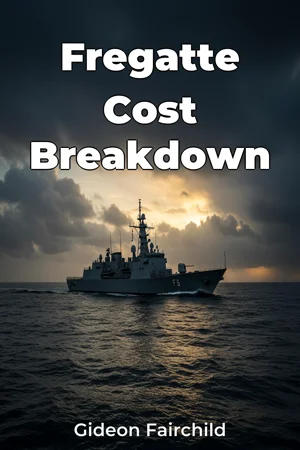
Can a nation truly afford its own defense? This book, "Fregatte Cost Breakdown," delves into the intricate economics and politics surrounding a major defense acquisition: a proposed 100 billion kroner frigate program. It's not just about the price tag; it's about opportunity costs, strategic priorities, and the very definition of national security in the 21st century. We will examine how a single procurement decision can ripple through a nation's economy and its geopolitical standing. Two key concepts drive this analysis: defense economics and strategic budgeting. Defense economics explores the efficient allocation of scarce resources to meet national security objectives. Strategic budgeting examines how political considerations and bureaucratic processes influence defense spending decisions. Understanding these concepts is crucial for citizens, policymakers, and defense professionals alike, as it provides a framework for evaluating the true cost – both direct and indirect – of military hardware. The book sets the stage by examining historical trends in defense spending, comparing current allocations to past expenditures, including significant procurements like the F-35 fighter jet program. This historical context is crucial to understand the scale of the proposed frigate investment and whether it aligns with established patterns or represents a significant departure. Our central argument is that a comprehensive cost-benefit analysis, extending beyond the initial procurement price, is essential for responsible defense spending. We assert that the true cost of a defense program encompasses not only the direct expenditure but also indirect costs such as maintenance, training, infrastructure upgrades, and, most importantly, the opportunity cost of not investing those funds in other vital sectors such as education, healthcare, or renewable energy. The book unfolds in three major sections. First, we introduce the fundamentals of defense economics and strategic budgeting, laying the theoretical groundwork for our analysis. Second, we dissect the 100 billion kroner frigate program, scrutinizing the proposed budget line by line, comparing it to similar frigate programs in other nations, and analyzing the stated strategic rationale. This section includes an in-depth comparison to the F-35 procurement, highlighting similarities and differences in acquisition strategy and long-term cost implications. Third, we evaluate the opportunity costs, exploring alternative investments and modeling their potential impact on the nation's economy and security. The analysis relies on a combination of publicly available government reports, budget documents, defense industry analysis, and comparative data from international organizations. We also incorporate economic modeling to assess the potential long-term impact of different investment scenarios, including investing the 100 billion kroner in alternative sectors. This book connects to several other fields, including political science (examining the lobbying and influence dynamics), international relations (analyzing the program's impact on regional security), and technology studies (assessing the technological capabilities and obsolescence risks of the proposed frigates). A key feature of this book is its emphasis on transparency and accountability in defense spending. We challenge the conventional wisdom of deferring to military expertise without rigorous economic justification. The tone is analytical and data-driven, aiming to present a balanced assessment of the frigate program's costs and benefits. The target audience includes informed citizens, students of economics and political science, defense analysts, and policymakers involved in defense budgeting and strategic planning. As a work in the genre(s) of Economics and Politics, this book adheres to the standards of empirical analysis, relying on data and evidence to support its claims. While the book extensively explores the financial aspects of the frigate program, it does not delve into the intricate technical specifications of the vessels. The scope is intentionally limited to the economic and political considerations surrounding the procurement decision. The information presented has real-world applications for citizens seeking to hold their government accountable, for policymakers seeking to make informed decisions about defense spending, and for defense professionals seeking to improve the efficiency and effectiveness of defense procurement. It is important to note that debates persist regarding the optimal level of defense spending and the best strategies for ensuring national security. This book engages with these debates by offering a comprehensive framework for evaluating the economic and political implications of major defense acquisitions.
Can a nation truly afford its own defense? This book, "Fregatte Cost Breakdown," delves into the intricate economics and politics surrounding a major defense acquisition: a proposed 100 billion kroner frigate program. It's not just about the price tag; it's about opportunity costs, strategic priorities, and the very definition of national security in the 21st century. We will examine how a single procurement decision can ripple through a nation's economy and its geopolitical standing. Two key concepts drive this analysis: defense economics and strategic budgeting. Defense economics explores the efficient allocation of scarce resources to meet national security objectives. Strategic budgeting examines how political considerations and bureaucratic processes influence defense spending decisions. Understanding these concepts is crucial for citizens, policymakers, and defense professionals alike, as it provides a framework for evaluating the true cost – both direct and indirect – of military hardware. The book sets the stage by examining historical trends in defense spending, comparing current allocations to past expenditures, including significant procurements like the F-35 fighter jet program. This historical context is crucial to understand the scale of the proposed frigate investment and whether it aligns with established patterns or represents a significant departure. Our central argument is that a comprehensive cost-benefit analysis, extending beyond the initial procurement price, is essential for responsible defense spending. We assert that the true cost of a defense program encompasses not only the direct expenditure but also indirect costs such as maintenance, training, infrastructure upgrades, and, most importantly, the opportunity cost of not investing those funds in other vital sectors such as education, healthcare, or renewable energy. The book unfolds in three major sections. First, we introduce the fundamentals of defense economics and strategic budgeting, laying the theoretical groundwork for our analysis. Second, we dissect the 100 billion kroner frigate program, scrutinizing the proposed budget line by line, comparing it to similar frigate programs in other nations, and analyzing the stated strategic rationale. This section includes an in-depth comparison to the F-35 procurement, highlighting similarities and differences in acquisition strategy and long-term cost implications. Third, we evaluate the opportunity costs, exploring alternative investments and modeling their potential impact on the nation's economy and security. The analysis relies on a combination of publicly available government reports, budget documents, defense industry analysis, and comparative data from international organizations. We also incorporate economic modeling to assess the potential long-term impact of different investment scenarios, including investing the 100 billion kroner in alternative sectors. This book connects to several other fields, including political science (examining the lobbying and influence dynamics), international relations (analyzing the program's impact on regional security), and technology studies (assessing the technological capabilities and obsolescence risks of the proposed frigates). A key feature of this book is its emphasis on transparency and accountability in defense spending. We challenge the conventional wisdom of deferring to military expertise without rigorous economic justification. The tone is analytical and data-driven, aiming to present a balanced assessment of the frigate program's costs and benefits. The target audience includes informed citizens, students of economics and political science, defense analysts, and policymakers involved in defense budgeting and strategic planning. As a work in the genre(s) of Economics and Politics, this book adheres to the standards of empirical analysis, relying on data and evidence to support its claims. While the book extensively explores the financial aspects of the frigate program, it does not delve into the intricate technical specifications of the vessels. The scope is intentionally limited to the economic and political considerations surrounding the procurement decision. The information presented has real-world applications for citizens seeking to hold their government accountable, for policymakers seeking to make informed decisions about defense spending, and for defense professionals seeking to improve the efficiency and effectiveness of defense procurement. It is important to note that debates persist regarding the optimal level of defense spending and the best strategies for ensuring national security. This book engages with these debates by offering a comprehensive framework for evaluating the economic and political implications of major defense acquisitions.
"Fregatte Cost Breakdown" examines the economics and politics of a proposed 100 billion kroner frigate program, questioning whether a nation can truly afford its defense spending. It highlights the critical concepts of defense economics and strategic budgeting, emphasizing the need to understand both direct and indirect costs, including opportunity costs. The book argues for a comprehensive cost-benefit analysis that extends beyond the initial procurement price, considering the impact on sectors like education and healthcare. The book progresses by first laying the theoretical groundwork of defense economics. It then dissects the frigate program's budget, comparing it to similar programs and the F-35 procurement, scrutinizing the strategic rationale behind it. Finally, it evaluates the opportunity costs by modeling alternative investments and their potential impact on the economy and national security. The analysis relies on government reports, budget documents, and comparative data, offering a balanced assessment of the program's costs and benefits. This book is unique in its emphasis on transparency and accountability in defense spending. It challenges the conventional deference to military expertise without rigorous economic justification, providing a framework for informed citizens, policymakers, and defense professionals to evaluate the true cost of military hardware and hold governments accountable for defense spending decisions.
Book Details
ISBN
9788235298720
Publisher
Publifye AS
Your Licenses
You don't own any licenses for this book
Purchase a license below to unlock this book and download the EPUB.
Purchase License
Select a tier to unlock this book
Need bulk licensing?
Contact us for enterprise agreements.