
About This Book
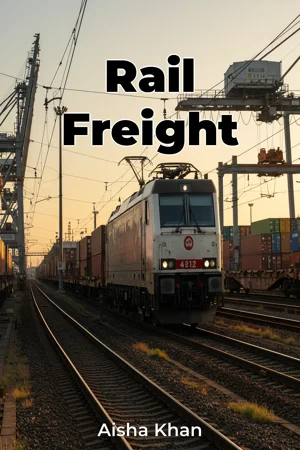
Can modern rail freight revolutionize global supply chains, offering a more efficient and sustainable alternative to traditional methods? "Rail Freight" delves into this critical question, exploring how technological advancements are reshaping cargo transportation and boosting overall efficiency. This book examines the core elements of modern rail freight, its operational mechanics, and its wide-ranging implications for business and the environment. The book focuses on three key areas: the technological innovations driving rail freight efficiency, the business strategies optimizing rail operations, and the economic and ecological impacts of these changes. These topics are central to understanding the transformation underway in the freight industry and are crucial for anyone involved in logistics, supply chain management, or policy-making related to transportation infrastructure. We provide critical insights into how rail freight can compete with other modes of transport, particularly trucking, in terms of cost, speed, and environmental footprint. To contextualize the current state of rail freight, the book begins with a historical overview of railway development, tracing its evolution from steam power to the advanced technologies used today. We also explore the socio-economic factors that have influenced the growth and decline of rail freight in different regions, setting the stage for understanding the renewed interest in this mode of transport. The central argument of "Rail Freight" is that the integration of advanced technologies, data-driven operational strategies, and a renewed focus on sustainability are making rail freight an increasingly viable and competitive option for businesses worldwide. This argument is crucial because it challenges conventional assumptions about the limitations of rail transport and highlights its potential to address the growing challenges of congestion, pollution, and supply chain disruptions. The book is structured to systematically present this argument. First, it introduces the core concepts of modern rail freight, including advanced train control systems, automated loading and unloading technologies, and the use of big data analytics for optimizing routes and schedules. The subsequent sections delve into the development of these ideas, examining specific case studies of successful rail freight operations and analyzing the factors that contribute to their success. These sections address key aspects such as infrastructure investment, regulatory policies, and the integration of rail freight with other modes of transportation. It culminates in a comprehensive analysis of the economic and environmental benefits of modern rail freight, presenting evidence-based recommendations for policymakers and businesses seeking to leverage its potential. The book will also explore practical applications of these technologies, showcasing how businesses can reduce transportation costs, improve delivery times, and minimize their environmental impact by utilizing rail freight solutions. The evidence presented in "Rail Freight" draws upon a variety of sources, including industry reports, academic research, government statistics, and case studies of rail freight operations from around the world. Unique data sources include proprietary datasets on train performance metrics and interviews with industry experts. The book connects to several other fields, including logistics management, environmental science, and urban planning. By examining the role of rail freight in optimizing supply chains, reducing carbon emissions, and alleviating urban congestion, the book provides a holistic perspective on its broader societal impact. "Rail Freight" adopts an innovative approach by integrating technological analysis with business strategy and policy considerations. This interdisciplinary perspective distinguishes it from other books on freight transportation and makes it a valuable resource for a broad audience. The tone of the book is professional and informative, aiming to provide clear and concise explanations of complex concepts while maintaining an accessible style for readers with varying levels of technical expertise. The target audience includes logistics professionals, supply chain managers, policymakers, academics, and anyone interested in the future of freight transportation. This book would be valuable to them because it provides a comprehensive overview of the latest trends and technologies in rail freight, along with practical insights for improving efficiency and sustainability. As a Technology and Business genre book, expect detailed explanations of technical systems as well as economic and strategic insights. This book provides readers with actionable information and real-world examples. The scope of the book is global, examining rail freight operations in North America, Europe, Asia, and other regions. However, it focuses primarily on the technological and business aspects of rail freight, with less emphasis on the social or cultural implications. The information in the book can be applied practically by businesses looking to optimize their supply chains, policymakers seeking to promote sustainable transportation, and researchers studying the future of freight logistics. While generally supportive of the advancements in rail freight, the book also acknowledges some ongoing debates and controversies, such as the potential for rail automation to displace workers and the challenges of integrating rail freight with existing infrastructure. These controversies are addressed in a balanced and objective manner, providing readers with a comprehensive understanding of the issues at stake.
Can modern rail freight revolutionize global supply chains, offering a more efficient and sustainable alternative to traditional methods? "Rail Freight" delves into this critical question, exploring how technological advancements are reshaping cargo transportation and boosting overall efficiency. This book examines the core elements of modern rail freight, its operational mechanics, and its wide-ranging implications for business and the environment. The book focuses on three key areas: the technological innovations driving rail freight efficiency, the business strategies optimizing rail operations, and the economic and ecological impacts of these changes. These topics are central to understanding the transformation underway in the freight industry and are crucial for anyone involved in logistics, supply chain management, or policy-making related to transportation infrastructure. We provide critical insights into how rail freight can compete with other modes of transport, particularly trucking, in terms of cost, speed, and environmental footprint. To contextualize the current state of rail freight, the book begins with a historical overview of railway development, tracing its evolution from steam power to the advanced technologies used today. We also explore the socio-economic factors that have influenced the growth and decline of rail freight in different regions, setting the stage for understanding the renewed interest in this mode of transport. The central argument of "Rail Freight" is that the integration of advanced technologies, data-driven operational strategies, and a renewed focus on sustainability are making rail freight an increasingly viable and competitive option for businesses worldwide. This argument is crucial because it challenges conventional assumptions about the limitations of rail transport and highlights its potential to address the growing challenges of congestion, pollution, and supply chain disruptions. The book is structured to systematically present this argument. First, it introduces the core concepts of modern rail freight, including advanced train control systems, automated loading and unloading technologies, and the use of big data analytics for optimizing routes and schedules. The subsequent sections delve into the development of these ideas, examining specific case studies of successful rail freight operations and analyzing the factors that contribute to their success. These sections address key aspects such as infrastructure investment, regulatory policies, and the integration of rail freight with other modes of transportation. It culminates in a comprehensive analysis of the economic and environmental benefits of modern rail freight, presenting evidence-based recommendations for policymakers and businesses seeking to leverage its potential. The book will also explore practical applications of these technologies, showcasing how businesses can reduce transportation costs, improve delivery times, and minimize their environmental impact by utilizing rail freight solutions. The evidence presented in "Rail Freight" draws upon a variety of sources, including industry reports, academic research, government statistics, and case studies of rail freight operations from around the world. Unique data sources include proprietary datasets on train performance metrics and interviews with industry experts. The book connects to several other fields, including logistics management, environmental science, and urban planning. By examining the role of rail freight in optimizing supply chains, reducing carbon emissions, and alleviating urban congestion, the book provides a holistic perspective on its broader societal impact. "Rail Freight" adopts an innovative approach by integrating technological analysis with business strategy and policy considerations. This interdisciplinary perspective distinguishes it from other books on freight transportation and makes it a valuable resource for a broad audience. The tone of the book is professional and informative, aiming to provide clear and concise explanations of complex concepts while maintaining an accessible style for readers with varying levels of technical expertise. The target audience includes logistics professionals, supply chain managers, policymakers, academics, and anyone interested in the future of freight transportation. This book would be valuable to them because it provides a comprehensive overview of the latest trends and technologies in rail freight, along with practical insights for improving efficiency and sustainability. As a Technology and Business genre book, expect detailed explanations of technical systems as well as economic and strategic insights. This book provides readers with actionable information and real-world examples. The scope of the book is global, examining rail freight operations in North America, Europe, Asia, and other regions. However, it focuses primarily on the technological and business aspects of rail freight, with less emphasis on the social or cultural implications. The information in the book can be applied practically by businesses looking to optimize their supply chains, policymakers seeking to promote sustainable transportation, and researchers studying the future of freight logistics. While generally supportive of the advancements in rail freight, the book also acknowledges some ongoing debates and controversies, such as the potential for rail automation to displace workers and the challenges of integrating rail freight with existing infrastructure. These controversies are addressed in a balanced and objective manner, providing readers with a comprehensive understanding of the issues at stake.
"Rail Freight" explores the modern transformation of cargo transportation, highlighting how technological innovations and strategic business practices are reshaping the freight industry. The book examines the core elements of rail freight, emphasizing its potential as a sustainable alternative to traditional methods. Readers will discover how advanced train control systems and data analytics are optimizing routes and schedules, leading to increased efficiency. The book also underscores the economic and environmental benefits of rail freight, showing how it can compete with trucking in terms of cost, speed, and environmental footprint. Beginning with a historical overview of railway development, the book traces its evolution to the advanced technologies of today. It then systematically presents the argument that integrating technology, data-driven strategies, and sustainability can make rail freight a viable option for businesses worldwide. Through case studies and analysis, the book delves into infrastructure investment, regulatory policies, and the integration of rail freight with other modes of transportation. It culminates in recommendations for policymakers and businesses seeking to leverage rail freight's potential.
Book Details
ISBN
9788235298645
Publisher
Publifye AS
Your Licenses
You don't own any licenses for this book
Purchase a license below to unlock this book and download the EPUB.
Purchase License
Select a tier to unlock this book
Need bulk licensing?
Contact us for enterprise agreements.