
About This Book
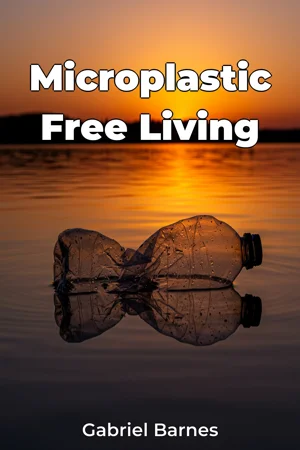
Are you unknowingly consuming and surrounded by microplastics every day? This book, "Microplastic Free Living," provides practical, actionable strategies to significantly reduce your exposure to these pervasive pollutants, offering a path towards a healthier life and a more sustainable future. We delve into the hidden sources of microplastics in your daily routines, from the food you eat to the clothes you wear and the products you use in your home. Understanding these sources is the first step towards minimizing their impact on your health and the environment. The book addresses three key topics. First, it examines the widespread presence of microplastics in food and water, detailing how these tiny particles enter the food chain and ultimately end up on our plates. We explore the scientific evidence regarding the potential health effects of ingesting microplastics, including inflammation and the disruption of endocrine systems. Second, we investigate the role of synthetic textiles in microplastic pollution, focusing on how washing clothes releases countless plastic fibers into waterways. We present data on the types of fabrics that shed the most microplastics and discuss the effectiveness of various mitigation strategies, such as using laundry bags and filters. Third, we analyze the contribution of household products, including personal care items and cleaning supplies, to microplastic contamination. We provide a guide to identifying plastic ingredients in these products and offer practical alternatives that are both effective and environmentally friendly. "Microplastic Free Living" argues that individual actions, when combined, can make a substantial difference in reducing microplastic pollution and safeguarding our health. The book outlines that while systemic change is necessary, personal responsibility plays a crucial role in mitigating the problem. The text provides a framework for understanding the challenges and empowers readers with the knowledge and tools to make informed choices. The book is structured into three main sections. The first section introduces the science of microplastics – their sources, pathways, and potential impacts. It explains the chemical composition of different types of plastics, their fragmentation process, and their persistence in the environment. This section serves as a foundation for understanding the scale and complexity of the microplastic problem. The second section focuses on practical solutions, offering detailed guidance on how to reduce microplastic exposure in various aspects of daily life. This includes tips for choosing food and beverages, selecting clothing and textiles, and purchasing household products. The final section explores the broader implications of microplastic pollution, discussing policy recommendations and advocating for collective action to address this global challenge. The information presented is supported by scientific research from peer-reviewed journals, government reports, and independent studies. We cite data on microplastic concentrations in various environmental matrices, including oceans, rivers, soil, and air. We also present findings from toxicological studies that assess the potential health risks of microplastic exposure. "Microplastic Free Living" connects to several other fields of study, including environmental science, public health, and consumer behavior. By integrating insights from these disciplines, the book provides a holistic perspective on the microplastic problem and its potential solutions. The book offers a unique approach by focusing on practical solutions that individuals can implement immediately. Rather than simply highlighting the problem, it empowers readers with the knowledge and tools to make meaningful changes in their own lives. The writing style is accessible and informative, using clear language and avoiding technical jargon whenever possible. The book is intended for a general audience with an interest in environmental issues and personal health. It would be valuable to anyone looking to reduce their environmental footprint and live a more sustainable lifestyle. As a self-help book, it gives readers agency in how they choose to implement actions. The scope of the book is limited to practical strategies for reducing individual exposure to microplastics. While it touches on policy issues, it does not provide an exhaustive analysis of the complex regulatory frameworks surrounding plastic production and waste management, nor does it delve into the complicated economics of plastic manufacturing. Readers will learn how to identify sources of microplastics, choose alternatives, and advocate for change in their communities. The book equips readers with the knowledge and tools to make informed choices and become active participants in addressing the microplastic crisis. The book acknowledges that there are ongoing debates about the long-term health effects of microplastic exposure and the effectiveness of various mitigation strategies. We present different perspectives on these issues while emphasizing the importance of taking precautionary measures to reduce exposure whenever possible.
Are you unknowingly consuming and surrounded by microplastics every day? This book, "Microplastic Free Living," provides practical, actionable strategies to significantly reduce your exposure to these pervasive pollutants, offering a path towards a healthier life and a more sustainable future. We delve into the hidden sources of microplastics in your daily routines, from the food you eat to the clothes you wear and the products you use in your home. Understanding these sources is the first step towards minimizing their impact on your health and the environment. The book addresses three key topics. First, it examines the widespread presence of microplastics in food and water, detailing how these tiny particles enter the food chain and ultimately end up on our plates. We explore the scientific evidence regarding the potential health effects of ingesting microplastics, including inflammation and the disruption of endocrine systems. Second, we investigate the role of synthetic textiles in microplastic pollution, focusing on how washing clothes releases countless plastic fibers into waterways. We present data on the types of fabrics that shed the most microplastics and discuss the effectiveness of various mitigation strategies, such as using laundry bags and filters. Third, we analyze the contribution of household products, including personal care items and cleaning supplies, to microplastic contamination. We provide a guide to identifying plastic ingredients in these products and offer practical alternatives that are both effective and environmentally friendly. "Microplastic Free Living" argues that individual actions, when combined, can make a substantial difference in reducing microplastic pollution and safeguarding our health. The book outlines that while systemic change is necessary, personal responsibility plays a crucial role in mitigating the problem. The text provides a framework for understanding the challenges and empowers readers with the knowledge and tools to make informed choices. The book is structured into three main sections. The first section introduces the science of microplastics – their sources, pathways, and potential impacts. It explains the chemical composition of different types of plastics, their fragmentation process, and their persistence in the environment. This section serves as a foundation for understanding the scale and complexity of the microplastic problem. The second section focuses on practical solutions, offering detailed guidance on how to reduce microplastic exposure in various aspects of daily life. This includes tips for choosing food and beverages, selecting clothing and textiles, and purchasing household products. The final section explores the broader implications of microplastic pollution, discussing policy recommendations and advocating for collective action to address this global challenge. The information presented is supported by scientific research from peer-reviewed journals, government reports, and independent studies. We cite data on microplastic concentrations in various environmental matrices, including oceans, rivers, soil, and air. We also present findings from toxicological studies that assess the potential health risks of microplastic exposure. "Microplastic Free Living" connects to several other fields of study, including environmental science, public health, and consumer behavior. By integrating insights from these disciplines, the book provides a holistic perspective on the microplastic problem and its potential solutions. The book offers a unique approach by focusing on practical solutions that individuals can implement immediately. Rather than simply highlighting the problem, it empowers readers with the knowledge and tools to make meaningful changes in their own lives. The writing style is accessible and informative, using clear language and avoiding technical jargon whenever possible. The book is intended for a general audience with an interest in environmental issues and personal health. It would be valuable to anyone looking to reduce their environmental footprint and live a more sustainable lifestyle. As a self-help book, it gives readers agency in how they choose to implement actions. The scope of the book is limited to practical strategies for reducing individual exposure to microplastics. While it touches on policy issues, it does not provide an exhaustive analysis of the complex regulatory frameworks surrounding plastic production and waste management, nor does it delve into the complicated economics of plastic manufacturing. Readers will learn how to identify sources of microplastics, choose alternatives, and advocate for change in their communities. The book equips readers with the knowledge and tools to make informed choices and become active participants in addressing the microplastic crisis. The book acknowledges that there are ongoing debates about the long-term health effects of microplastic exposure and the effectiveness of various mitigation strategies. We present different perspectives on these issues while emphasizing the importance of taking precautionary measures to reduce exposure whenever possible.
"Microplastic Free Living" highlights the pervasive issue of microplastics in our daily lives and offers practical strategies to reduce exposure, promoting both personal health and environmental sustainability. The book delves into how these tiny plastic particles infiltrate our food, water, and even the clothes we wear, emphasizing that individual actions can collectively make a significant impact. It's intriguing to learn that synthetic textiles are major contributors to microplastic pollution through the shedding of fibers during washing, and that microplastics can potentially disrupt our endocrine systems. The book uniquely focuses on empowering individuals to take immediate action. It is structured into three parts, starting with the science behind microplastics, then moving into practical solutions for reducing exposure in daily life, and finally discussing the broader implications and need for collective action. By providing accessible information and actionable steps, "Microplastic Free Living" enables readers to make informed choices, reduce their environmental footprint, and advocate for change.
Book Details
ISBN
9788235298638
Publisher
Publifye AS
Your Licenses
You don't own any licenses for this book
Purchase a license below to unlock this book and download the EPUB.
Purchase License
Select a tier to unlock this book
Need bulk licensing?
Contact us for enterprise agreements.