
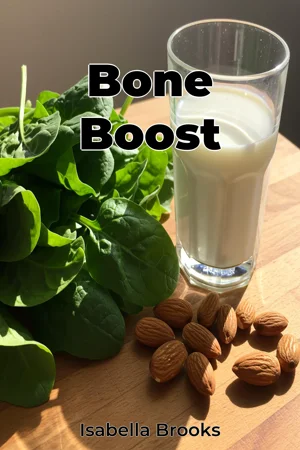
About This Book
Did you know that adolescence is the most critical period for building lifelong bone strength? “Bone Boost” serves as an essential guide for parents and teens navigating the crucial years of bone development, offering practical strategies to maximize bone health and minimize the risk of fractures later in life. This book focuses on three main pillars of bone health: calcium intake, vitamin D levels, and the implementation of weight-bearing exercises. These elements are vital because adolescence is when peak bone mass is achieved; deficiencies in any of these areas can have lasting negative impacts. The book provides context by exploring the physiology of bone growth and remodeling. It explains how bones are not static structures but dynamic tissues constantly being broken down and rebuilt. Understanding this process is crucial for appreciating the importance of a proactive approach to bone health during the teen years. We delve into the historical trends of bone health issues, particularly the rise in adolescent fractures and the potential links to changing diets and lifestyles. The central argument of “Bone Boost” is that a targeted, evidence-based approach to calcium, vitamin D, and exercise during adolescence can significantly improve bone density and reduce the risk of osteoporosis and fractures in adulthood. This argument is critical because studies show that building strong bones during these formative years is far more effective than trying to compensate for deficiencies later in life. The book is structured to provide a comprehensive understanding of bone health. The first section introduces the basic science of bone development, explaining bone composition and the roles of key nutrients like calcium and vitamin D. The second section delves into practical strategies for optimizing calcium intake through diet and supplementation, addressing common misconceptions and providing guidance on choosing the right sources. A dedicated chapter explores the importance of vitamin D, discussing its role in calcium absorption and bone mineralization, and providing recommendations for safe sun exposure and supplementation. Another section focuses on weight-bearing exercises, offering a variety of age-appropriate activities and guidance on proper form and progression. The book builds to a culmination, discussing how to integrate these strategies into daily life, providing meal plans, exercise routines, and tips for overcoming common challenges. Finally, the book addresses the long-term implications of good bone health, explaining how these habits can reduce the risk of osteoporosis and fractures throughout life. The evidence presented in “Bone Boost” is drawn from a wide range of scientific studies and clinical trials. We cite research from leading medical journals and organizations, including the National Institutes of Health and the American Academy of Pediatrics. The book also includes case studies and real-world examples to illustrate the impact of these strategies on adolescent bone health. “Bone Boost” connects to several other fields, including nutrition, exercise physiology, and endocrinology. By integrating knowledge from these disciplines, the book provides a holistic understanding of bone health. Furthermore, the book touches upon the psychological aspects of adopting healthy habits, recognizing the importance of motivation and support for teens and their families. What sets “Bone Boost” apart is its practical, actionable advice tailored specifically for teens and their parents. Unlike general guides to bone health, this book focuses on the unique needs and challenges of adolescence. The tone is conversational and accessible, avoiding technical jargon while remaining scientifically accurate. The intended audience is parents of teenagers and teenagers themselves who want to take proactive steps to improve their bone health. The book is also valuable for healthcare professionals, such as pediatricians and school nurses, who want to provide evidence-based guidance on bone health to their patients and students. As a health and fitness guide, “Bone Boost” provides reliable information and practical strategies that readers can immediately implement. It emphasizes the importance of evidence-based practices and encourages readers to consult with healthcare professionals for personalized advice. The scope of “Bone Boost” is limited to the adolescent years, focusing on strategies to maximize bone density and prevent fractures during this critical period. While the book touches on the long-term implications of bone health, it does not provide comprehensive guidance on managing osteoporosis or other bone diseases in adulthood. Readers can apply the information in “Bone Boost” by making simple changes to their diets, incorporating weight-bearing exercises into their routines, and ensuring adequate vitamin D levels. The book provides practical tools and resources, such as meal plans, exercise logs, and supplement guides, to help readers implement these strategies. The book also addresses some ongoing debates in the field of bone health, such as the optimal dosage of vitamin D and the role of specific nutrients like vitamin K. It presents a balanced perspective on these controversies, citing evidence from both sides of the issue and providing guidance on making informed decisions.
Did you know that adolescence is the most critical period for building lifelong bone strength? “Bone Boost” serves as an essential guide for parents and teens navigating the crucial years of bone development, offering practical strategies to maximize bone health and minimize the risk of fractures later in life. This book focuses on three main pillars of bone health: calcium intake, vitamin D levels, and the implementation of weight-bearing exercises. These elements are vital because adolescence is when peak bone mass is achieved; deficiencies in any of these areas can have lasting negative impacts. The book provides context by exploring the physiology of bone growth and remodeling. It explains how bones are not static structures but dynamic tissues constantly being broken down and rebuilt. Understanding this process is crucial for appreciating the importance of a proactive approach to bone health during the teen years. We delve into the historical trends of bone health issues, particularly the rise in adolescent fractures and the potential links to changing diets and lifestyles. The central argument of “Bone Boost” is that a targeted, evidence-based approach to calcium, vitamin D, and exercise during adolescence can significantly improve bone density and reduce the risk of osteoporosis and fractures in adulthood. This argument is critical because studies show that building strong bones during these formative years is far more effective than trying to compensate for deficiencies later in life. The book is structured to provide a comprehensive understanding of bone health. The first section introduces the basic science of bone development, explaining bone composition and the roles of key nutrients like calcium and vitamin D. The second section delves into practical strategies for optimizing calcium intake through diet and supplementation, addressing common misconceptions and providing guidance on choosing the right sources. A dedicated chapter explores the importance of vitamin D, discussing its role in calcium absorption and bone mineralization, and providing recommendations for safe sun exposure and supplementation. Another section focuses on weight-bearing exercises, offering a variety of age-appropriate activities and guidance on proper form and progression. The book builds to a culmination, discussing how to integrate these strategies into daily life, providing meal plans, exercise routines, and tips for overcoming common challenges. Finally, the book addresses the long-term implications of good bone health, explaining how these habits can reduce the risk of osteoporosis and fractures throughout life. The evidence presented in “Bone Boost” is drawn from a wide range of scientific studies and clinical trials. We cite research from leading medical journals and organizations, including the National Institutes of Health and the American Academy of Pediatrics. The book also includes case studies and real-world examples to illustrate the impact of these strategies on adolescent bone health. “Bone Boost” connects to several other fields, including nutrition, exercise physiology, and endocrinology. By integrating knowledge from these disciplines, the book provides a holistic understanding of bone health. Furthermore, the book touches upon the psychological aspects of adopting healthy habits, recognizing the importance of motivation and support for teens and their families. What sets “Bone Boost” apart is its practical, actionable advice tailored specifically for teens and their parents. Unlike general guides to bone health, this book focuses on the unique needs and challenges of adolescence. The tone is conversational and accessible, avoiding technical jargon while remaining scientifically accurate. The intended audience is parents of teenagers and teenagers themselves who want to take proactive steps to improve their bone health. The book is also valuable for healthcare professionals, such as pediatricians and school nurses, who want to provide evidence-based guidance on bone health to their patients and students. As a health and fitness guide, “Bone Boost” provides reliable information and practical strategies that readers can immediately implement. It emphasizes the importance of evidence-based practices and encourages readers to consult with healthcare professionals for personalized advice. The scope of “Bone Boost” is limited to the adolescent years, focusing on strategies to maximize bone density and prevent fractures during this critical period. While the book touches on the long-term implications of bone health, it does not provide comprehensive guidance on managing osteoporosis or other bone diseases in adulthood. Readers can apply the information in “Bone Boost” by making simple changes to their diets, incorporating weight-bearing exercises into their routines, and ensuring adequate vitamin D levels. The book provides practical tools and resources, such as meal plans, exercise logs, and supplement guides, to help readers implement these strategies. The book also addresses some ongoing debates in the field of bone health, such as the optimal dosage of vitamin D and the role of specific nutrients like vitamin K. It presents a balanced perspective on these controversies, citing evidence from both sides of the issue and providing guidance on making informed decisions.
"Bone Boost" highlights adolescence as the prime time for strengthening bones, offering parents and teens evidence-based strategies to optimize bone health and reduce future fracture risk. The book underscores that bones are dynamic, living tissues, constantly rebuilding themselves. It advocates for a proactive approach focusing on key elements like adequate calcium intake, sufficient vitamin D levels, and regular weight-bearing exercise, all crucial for achieving peak bone mass during these formative years. Did you know that building strong bones during adolescence is significantly more effective than trying to compensate for deficiencies later in life? The book progresses logically, beginning with the science of bone development, then moves on to practical strategies for improving bone density. It provides guidelines for diet, supplementation, and age-appropriate exercises, culminating in advice for integrating these practices into daily life. This approach sets "Bone Boost" apart from general bone health guides, tailoring its advice to the unique needs of teens.
Book Details
ISBN
9788235298560
Publisher
Publifye AS
Your Licenses
You don't own any licenses for this book
Purchase a license below to unlock this book and download the EPUB.
Purchase License
Select a tier to unlock this book
Need bulk licensing?
Contact us for enterprise agreements.