
About This Book
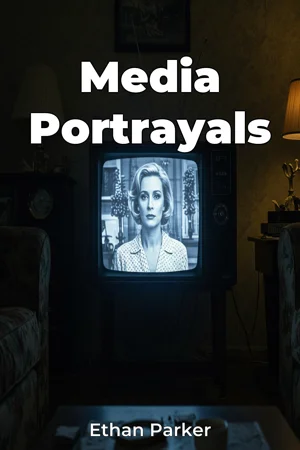
Are portrayals in television, film, and news accurately reflecting the evolving roles of women, or are they perpetuating outdated stereotypes? "Media Portrayals" delves into this critical question, analyzing factual trends in the representation of women across these influential media platforms. This book will examine how these representations have shifted over time, the social and cultural factors driving these changes, and the potential impact on audiences. This study focuses on three central themes: the frequency of female representation, the types of roles women are depicted in, and the overall quality and complexity of these portrayals. Understanding these aspects is crucial because media plays a significant role in shaping public perception and reinforcing societal norms. When women are consistently underrepresented or shown in limiting roles, it can affect their self-esteem, career aspirations, and overall opportunities. Contextually, the book acknowledges the historical underrepresentation of women in media and the ongoing struggle for gender equality in various sectors. It draws on feminist theory, media studies, and sociological research to provide a comprehensive understanding of the issues. Readers will benefit from a basic understanding of media literacy and gender studies concepts. "Media Portrayals" argues that while progress has been made, significant disparities and stereotypical representations persist in television, film, and news. It posits that these misrepresentations not only reflect existing societal biases but also actively contribute to their perpetuation. The book supports this argument by thoroughly examining quantitative data on screen time, character archetypes, and the gender of news sources, combined with qualitative analyses of narrative structures and character development. The book's structure is designed to systematically explore this argument. It begins by introducing key concepts like representation, gender stereotypes, and media effects. It then moves into specific analyses of television, film, and news, examining each medium's unique characteristics and impact. For instance, the analysis of film considers blockbuster trends, while the television analysis factors in streaming platforms. The conclusion synthesizes the findings, highlighting the overall trends and proposing strategies for promoting more accurate and diverse portrayals of women. It also considers the implications of emerging media technologies and the potential for positive change. The evidence base includes statistical analyses of media content, surveys of audience perceptions, and case studies of specific films, television shows, and news stories. Data from industry reports, academic databases, and original content analysis are utilized. The book also considers audience perceptions of gender portrayals through surveys. Interdisciplinary connections are drawn with fields such as sociology, psychology, and communication studies. For example, psychological research on stereotype threat is used to understand the potential impact of negative portrayals on women's performance. The book's approach is unique in its combination of quantitative and qualitative methods, offering a nuanced understanding of the complex interplay between media, gender, and society. Written in an accessible yet academic style, "Media Portrayals" targets students and researchers in media studies, gender studies, and sociology, as well as media professionals and anyone interested in the impact of media on society. It provides valuable insights for understanding the complexities of gender representation and promoting inclusivity in media content. While the book aims to provide a broad overview of media portrayals, it focuses primarily on Western media landscapes due to data availability and cultural context. It acknowledges that representation is constantly evolving and that it is not possible to capture every nuance. The information presented can be applied by media professionals to create more diverse and authentic characters, by educators to promote media literacy among students, and by consumers to critically evaluate the media they consume. The book addresses ongoing debates about the role of media in shaping gender roles and the effectiveness of various strategies for promoting diversity and inclusion. It also acknowledges discussions around the concept of the male gaze and its impact on female representation.
Are portrayals in television, film, and news accurately reflecting the evolving roles of women, or are they perpetuating outdated stereotypes? "Media Portrayals" delves into this critical question, analyzing factual trends in the representation of women across these influential media platforms. This book will examine how these representations have shifted over time, the social and cultural factors driving these changes, and the potential impact on audiences. This study focuses on three central themes: the frequency of female representation, the types of roles women are depicted in, and the overall quality and complexity of these portrayals. Understanding these aspects is crucial because media plays a significant role in shaping public perception and reinforcing societal norms. When women are consistently underrepresented or shown in limiting roles, it can affect their self-esteem, career aspirations, and overall opportunities. Contextually, the book acknowledges the historical underrepresentation of women in media and the ongoing struggle for gender equality in various sectors. It draws on feminist theory, media studies, and sociological research to provide a comprehensive understanding of the issues. Readers will benefit from a basic understanding of media literacy and gender studies concepts. "Media Portrayals" argues that while progress has been made, significant disparities and stereotypical representations persist in television, film, and news. It posits that these misrepresentations not only reflect existing societal biases but also actively contribute to their perpetuation. The book supports this argument by thoroughly examining quantitative data on screen time, character archetypes, and the gender of news sources, combined with qualitative analyses of narrative structures and character development. The book's structure is designed to systematically explore this argument. It begins by introducing key concepts like representation, gender stereotypes, and media effects. It then moves into specific analyses of television, film, and news, examining each medium's unique characteristics and impact. For instance, the analysis of film considers blockbuster trends, while the television analysis factors in streaming platforms. The conclusion synthesizes the findings, highlighting the overall trends and proposing strategies for promoting more accurate and diverse portrayals of women. It also considers the implications of emerging media technologies and the potential for positive change. The evidence base includes statistical analyses of media content, surveys of audience perceptions, and case studies of specific films, television shows, and news stories. Data from industry reports, academic databases, and original content analysis are utilized. The book also considers audience perceptions of gender portrayals through surveys. Interdisciplinary connections are drawn with fields such as sociology, psychology, and communication studies. For example, psychological research on stereotype threat is used to understand the potential impact of negative portrayals on women's performance. The book's approach is unique in its combination of quantitative and qualitative methods, offering a nuanced understanding of the complex interplay between media, gender, and society. Written in an accessible yet academic style, "Media Portrayals" targets students and researchers in media studies, gender studies, and sociology, as well as media professionals and anyone interested in the impact of media on society. It provides valuable insights for understanding the complexities of gender representation and promoting inclusivity in media content. While the book aims to provide a broad overview of media portrayals, it focuses primarily on Western media landscapes due to data availability and cultural context. It acknowledges that representation is constantly evolving and that it is not possible to capture every nuance. The information presented can be applied by media professionals to create more diverse and authentic characters, by educators to promote media literacy among students, and by consumers to critically evaluate the media they consume. The book addresses ongoing debates about the role of media in shaping gender roles and the effectiveness of various strategies for promoting diversity and inclusion. It also acknowledges discussions around the concept of the male gaze and its impact on female representation.
"Media Portrayals" investigates the representation of women in film, television, and news media, examining whether these portrayals reflect evolving roles or perpetuate outdated gender stereotypes. The book analyzes the frequency, types, and quality of female characters, highlighting the impact of media stereotypes on public perception and societal norms. For instance, the historical underrepresentation of women can affect their self-esteem and career aspirations. This study argues that despite some progress, disparities persist. By combining quantitative data on screen time and character archetypes with qualitative analyses of narratives, "Media Portrayals" explores the complex interplay between media, gender, and society. The book begins by introducing key concepts like representation and media effects, then proceeds with analyses of television, film, and news, factoring in elements like blockbuster trends and streaming platforms. The conclusion synthesizes these findings and proposes strategies for promoting diverse portrayals, acknowledging the implications of emerging media technologies.
Book Details
ISBN
9788235298539
Publisher
Publifye AS
Your Licenses
You don't own any licenses for this book
Purchase a license below to unlock this book and download the EPUB.
Purchase License
Select a tier to unlock this book
Need bulk licensing?
Contact us for enterprise agreements.