
About This Book
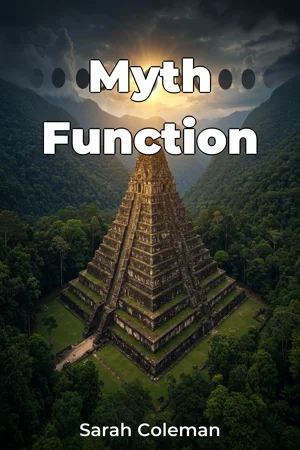
Why do societies across the globe, separated by vast oceans and time, share strikingly similar stories? "Myth Function" delves into the pervasive role of myths in shaping human societies, exploring how these narratives are not mere entertainment, but fundamental tools for explaining the inexplicable, reinforcing societal norms, and maintaining established power structures. This book examines how myths function as vehicles for understanding the natural world, ethics, and social hierarchy. This exploration is crucial because understanding the functional aspects of mythology provides insight into the collective psychology of societies, both past and present. By deciphering the underlying messages within myths, we gain a clearer understanding of the values, fears, and aspirations that have shaped human civilization. The book provides historical and social context, examining myths from diverse cultures and time periods. No prior knowledge is needed, as the fundamental principles of mythology and relevant historical backgrounds are introduced. A central argument of "Myth Function" is that myths provide a framework for social cohesion and control, and while their specific content varies, their underlying function remains consistent across cultures. Dissecting how myths function reveals their enduring power and adaptability. The book is structured to first introduce the core concepts of myth, its definition, and its distinction from folklore or legend. It proceeds by examining the primary functions of myths, starting with their role in explaining natural phenomena, analyzing how early societies used narratives to understand events like floods, earthquakes, and the cycles of the sun and moon. The second major section explores the ethical dimensions of myths, showing how they establish moral codes and reinforce social expectations. The book then moves into the complex relationship between myths and social hierarchy, analyzing how myths legitimize power, define roles, and perpetuate social order. The concluding section explores the practical applications and implications of understanding myth function in the modern world. The analysis will be supported by a wide range of evidence, drawing from anthropological studies, archaeological findings, historical texts, and comparative mythology. This book uses a unique approach by focusing on the function-driven analysis of diverse mythologies. “Myth Function” connects to the fields of anthropology, sociology, and political science. Understanding how myths shape social structures provides insights into cultural norms and power dynamics. Its interdisciplinary connections enrich the analysis and offer a more comprehensive understanding of the subject matter. This book offers a perspective by viewing myths as active agents in shaping human societies. This departs from purely literary interpretations, focusing instead on the practical effects myths have on social behavior and institutional structures. The tone of the book will be academic but accessible, avoiding jargon and complex theoretical frameworks in favor of clear and concise explanations. It is intended for students of religion, history, anthropology, and anyone interested in understanding the power of storytelling. The book focuses on understanding the underlying function of myths rather than providing an exhaustive catalog of every myth from every culture. The limitations are intentional, serving the purpose of a focused examination of myth's impact. The information presented can be applied practically in fields such as marketing, political science, and education. Understanding the power of narrative can inform effective communication strategies and promote cultural understanding. Furthermore, the book addresses ongoing debates about the nature of myth, including discussions regarding the extent to which myths reflect or shape social reality. The book contributes to these debates by offering a nuanced, function-based perspective.
Why do societies across the globe, separated by vast oceans and time, share strikingly similar stories? "Myth Function" delves into the pervasive role of myths in shaping human societies, exploring how these narratives are not mere entertainment, but fundamental tools for explaining the inexplicable, reinforcing societal norms, and maintaining established power structures. This book examines how myths function as vehicles for understanding the natural world, ethics, and social hierarchy. This exploration is crucial because understanding the functional aspects of mythology provides insight into the collective psychology of societies, both past and present. By deciphering the underlying messages within myths, we gain a clearer understanding of the values, fears, and aspirations that have shaped human civilization. The book provides historical and social context, examining myths from diverse cultures and time periods. No prior knowledge is needed, as the fundamental principles of mythology and relevant historical backgrounds are introduced. A central argument of "Myth Function" is that myths provide a framework for social cohesion and control, and while their specific content varies, their underlying function remains consistent across cultures. Dissecting how myths function reveals their enduring power and adaptability. The book is structured to first introduce the core concepts of myth, its definition, and its distinction from folklore or legend. It proceeds by examining the primary functions of myths, starting with their role in explaining natural phenomena, analyzing how early societies used narratives to understand events like floods, earthquakes, and the cycles of the sun and moon. The second major section explores the ethical dimensions of myths, showing how they establish moral codes and reinforce social expectations. The book then moves into the complex relationship between myths and social hierarchy, analyzing how myths legitimize power, define roles, and perpetuate social order. The concluding section explores the practical applications and implications of understanding myth function in the modern world. The analysis will be supported by a wide range of evidence, drawing from anthropological studies, archaeological findings, historical texts, and comparative mythology. This book uses a unique approach by focusing on the function-driven analysis of diverse mythologies. “Myth Function” connects to the fields of anthropology, sociology, and political science. Understanding how myths shape social structures provides insights into cultural norms and power dynamics. Its interdisciplinary connections enrich the analysis and offer a more comprehensive understanding of the subject matter. This book offers a perspective by viewing myths as active agents in shaping human societies. This departs from purely literary interpretations, focusing instead on the practical effects myths have on social behavior and institutional structures. The tone of the book will be academic but accessible, avoiding jargon and complex theoretical frameworks in favor of clear and concise explanations. It is intended for students of religion, history, anthropology, and anyone interested in understanding the power of storytelling. The book focuses on understanding the underlying function of myths rather than providing an exhaustive catalog of every myth from every culture. The limitations are intentional, serving the purpose of a focused examination of myth's impact. The information presented can be applied practically in fields such as marketing, political science, and education. Understanding the power of narrative can inform effective communication strategies and promote cultural understanding. Furthermore, the book addresses ongoing debates about the nature of myth, including discussions regarding the extent to which myths reflect or shape social reality. The book contributes to these debates by offering a nuanced, function-based perspective.
"Myth Function" explores the vital role of myths in shaping societies worldwide. Myths serve not just as stories, but as fundamental tools for explaining the world, reinforcing cultural norms, and maintaining social order. Examining myths from various cultures and eras, the book reveals how these narratives provide frameworks for social cohesion and control. For example, myths often explain natural phenomena like floods or earthquakes, providing early societies with a way to understand their environment. The book uniquely focuses on the function-driven analysis of diverse mythologies. It progresses by first defining core concepts, then examining myths' roles in explaining nature, establishing ethics, and reinforcing social hierarchies. This approach highlights the enduring power of myths to shape values, fears, and aspirations across civilizations. Understanding myth function provides insights into the collective psychology of societies, both past and present, and how these narratives legitimize power. The book's interdisciplinary approach connects to anthropology, sociology, and political science, offering a comprehensive understanding of myths' impact. By understanding how myths shape social structures, readers can gain insights into cultural norms and power dynamics. This perspective departs from purely literary interpretations, focusing instead on the practical effects myths have on social behavior and institutional structures.
Book Details
ISBN
9788235298461
Publisher
Publifye AS
Your Licenses
You don't own any licenses for this book
Purchase a license below to unlock this book and download the EPUB.
Purchase License
Select a tier to unlock this book
Need bulk licensing?
Contact us for enterprise agreements.