
About This Book
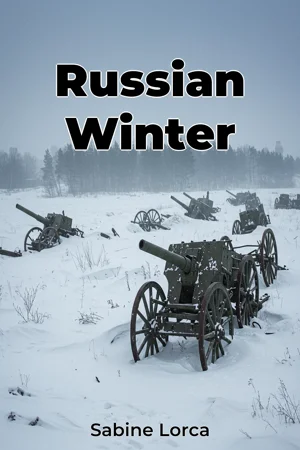
Can Russia's formidable winter be considered a strategic ally? "Russian Winter" delves into the profound impact of severe winter conditions on the outcomes of military campaigns waged on Russian soil, focusing particularly on the invasions led by Napoleon in 1812 and Nazi Germany during World War II. This book examines how the Russian climate, specifically its winters, acted as a significant, and arguably decisive, factor in thwarting these ambitious military endeavors. We will analyze not just the direct effects of cold weather on soldiers and equipment, but also the broader logistical and strategic implications. This book explores three key interconnected topics. First, it offers a detailed meteorological analysis of the specific winter conditions encountered by invading forces during both the Napoleonic and Nazi invasions and contrasts them with historical norms. Second, it rigorously examines the logistical nightmares induced by the harsh winters, including the disruption of supply lines and the degradation of military equipment. Third, it investigates the psychological toll that the unrelenting cold, hunger, and disease took on invading soldiers, comparing and contrasting the experiences of both the Grande Armée and the Wehrmacht. "Russian Winter" argues that the severity and duration of Russian winters, coupled with inadequate preparation and flawed strategic assumptions on the part of the invaders, played a critical role in the ultimate failure of both campaigns. It goes beyond a simple recounting of events, offering a comprehensive analysis of how environmental factors shaped the course of military history. The book's structure is as follows. Part 1 establishes a historical and climatological baseline, detailing the typical weather patterns across the Russian territories and contrasting them with the specific conditions faced by Napoleon and Hitler's forces. Part 2 closely analyzes the logistical challenges presented by the winter, including the impact on transportation, communication, and the supply of essential resources. Part 3 focuses on the human element, examining the medical and psychological effects of prolonged exposure to extreme cold, starvation and disease among soldiers, comparing and contrasting the impacts on the Grande Armée and Wehrmacht. The concluding section draws together these threads to demonstrate how the Russian winter consistently undermined the invaders' strengths, magnifying their weaknesses, and contributing significantly to their defeat. Our analysis will draw upon a wide range of primary and secondary sources, including military archives, soldiers' diaries and letters, meteorological data, medical reports, and historical analyses. Special attention will be given to analyzing the operational orders and strategic decision-making processes of both Napoleon and Hitler, shedding light on how their underestimation of the Russian winter influenced their planning and execution. This study intersects with fields such as environmental history, military strategy, and the psychology of warfare. By examining how climate and geography can act as strategic forces, "Russian Winter" challenges conventional understandings of military power and decision-making. The book adopts a fact-based and analytical approach, avoiding sensationalism or exaggeration. It aims to provide a balanced and nuanced perspective on the complex interplay between military ambition, environmental realities, and human resilience. The target audience includes historians, military enthusiasts, students of Russian history, and anyone interested in the intersection of climate, warfare, and human experience. This book offers a fresh perspective on well-known historical events, providing valuable insights into the enduring power of environmental factors in shaping the course of human conflict. While focusing primarily on Napoleon's 1812 campaign and Nazi Germany's invasion during WWII, the book acknowledges earlier and later conflicts on Russian soil, using them to provide additional context but not as central case studies. "Russian Winter" contributes to ongoing debates about the relative importance of different factors in determining military outcomes. By highlighting the often-underestimated role of climate and environment, this book offers a valuable corrective to traditional narratives focused solely on military leadership, tactics, and technology.
Can Russia's formidable winter be considered a strategic ally? "Russian Winter" delves into the profound impact of severe winter conditions on the outcomes of military campaigns waged on Russian soil, focusing particularly on the invasions led by Napoleon in 1812 and Nazi Germany during World War II. This book examines how the Russian climate, specifically its winters, acted as a significant, and arguably decisive, factor in thwarting these ambitious military endeavors. We will analyze not just the direct effects of cold weather on soldiers and equipment, but also the broader logistical and strategic implications. This book explores three key interconnected topics. First, it offers a detailed meteorological analysis of the specific winter conditions encountered by invading forces during both the Napoleonic and Nazi invasions and contrasts them with historical norms. Second, it rigorously examines the logistical nightmares induced by the harsh winters, including the disruption of supply lines and the degradation of military equipment. Third, it investigates the psychological toll that the unrelenting cold, hunger, and disease took on invading soldiers, comparing and contrasting the experiences of both the Grande Armée and the Wehrmacht. "Russian Winter" argues that the severity and duration of Russian winters, coupled with inadequate preparation and flawed strategic assumptions on the part of the invaders, played a critical role in the ultimate failure of both campaigns. It goes beyond a simple recounting of events, offering a comprehensive analysis of how environmental factors shaped the course of military history. The book's structure is as follows. Part 1 establishes a historical and climatological baseline, detailing the typical weather patterns across the Russian territories and contrasting them with the specific conditions faced by Napoleon and Hitler's forces. Part 2 closely analyzes the logistical challenges presented by the winter, including the impact on transportation, communication, and the supply of essential resources. Part 3 focuses on the human element, examining the medical and psychological effects of prolonged exposure to extreme cold, starvation and disease among soldiers, comparing and contrasting the impacts on the Grande Armée and Wehrmacht. The concluding section draws together these threads to demonstrate how the Russian winter consistently undermined the invaders' strengths, magnifying their weaknesses, and contributing significantly to their defeat. Our analysis will draw upon a wide range of primary and secondary sources, including military archives, soldiers' diaries and letters, meteorological data, medical reports, and historical analyses. Special attention will be given to analyzing the operational orders and strategic decision-making processes of both Napoleon and Hitler, shedding light on how their underestimation of the Russian winter influenced their planning and execution. This study intersects with fields such as environmental history, military strategy, and the psychology of warfare. By examining how climate and geography can act as strategic forces, "Russian Winter" challenges conventional understandings of military power and decision-making. The book adopts a fact-based and analytical approach, avoiding sensationalism or exaggeration. It aims to provide a balanced and nuanced perspective on the complex interplay between military ambition, environmental realities, and human resilience. The target audience includes historians, military enthusiasts, students of Russian history, and anyone interested in the intersection of climate, warfare, and human experience. This book offers a fresh perspective on well-known historical events, providing valuable insights into the enduring power of environmental factors in shaping the course of human conflict. While focusing primarily on Napoleon's 1812 campaign and Nazi Germany's invasion during WWII, the book acknowledges earlier and later conflicts on Russian soil, using them to provide additional context but not as central case studies. "Russian Winter" contributes to ongoing debates about the relative importance of different factors in determining military outcomes. By highlighting the often-underestimated role of climate and environment, this book offers a valuable corrective to traditional narratives focused solely on military leadership, tactics, and technology.
"Russian Winter" examines the critical role of Russia's harsh climate in determining the outcomes of military campaigns, particularly Napoleon's invasion of 1812 and Nazi Germany's assault during World War II. The book meticulously analyzes how the severe winter conditions acted as a formidable, often decisive, ally for the Russian forces. It highlights the meteorological realities faced by invading armies, contrasting them with historical climate norms to reveal the true extent of the environmental challenge. Logistical nightmares induced by frozen supply lines and crippled equipment are also explored, demonstrating how the climate amplified strategic weaknesses. The book delves into the psychological toll exacted by the relentless cold, hunger, and disease on invading soldiers, drawing comparisons between the experiences of Napoleon's Grande Armée and the Wehrmacht. By integrating environmental history with military history, "Russian Winter" offers a unique perspective on well-known events. The book progresses from establishing a climatological baseline to analyzing logistical challenges and the human impact of the winter, ultimately demonstrating how the Russian climate consistently undermined invaders' strengths, contributing significantly to their defeat on the Eastern Front.
Book Details
ISBN
9788235298423
Publisher
Publifye AS
Your Licenses
You don't own any licenses for this book
Purchase a license below to unlock this book and download the EPUB.
Purchase License
Select a tier to unlock this book
Need bulk licensing?
Contact us for enterprise agreements.