
About This Book
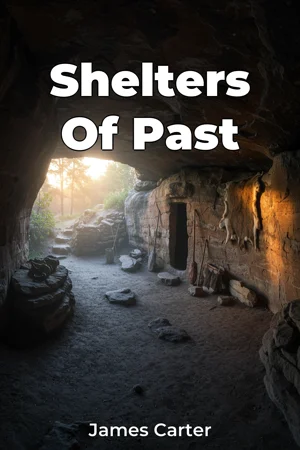
Have you ever considered how profoundly the simple act of building a shelter has shaped human history and continues to influence our lives today? "Shelters of the Past" embarks on a comprehensive exploration of human habitation, tracing the evolution of shelters from the earliest caves to the towering skyscrapers that define modern skylines. This book delves into the intricate relationship between humanity, its environment, and the technologies employed to create safe and functional living spaces across diverse climates and cultures. Two central themes drive the narrative. First, the book examines the adaptive ingenuity of humans in responding to environmental challenges. From the use of readily available materials like mud and straw in arid regions to the innovative designs that withstand extreme weather conditions, we will explore how necessity has consistently driven architectural invention. Second, "Shelters of the Past" highlights the profound impact of technological advancements on shelter construction. The transition from simple hand tools to complex machinery and advanced building materials has revolutionized the scale and complexity of our built environment, enabling us to create structures that were once unimaginable. Understanding the history of shelters requires an appreciation for the social and cultural contexts in which they were created. The book provides historical context, exploring how societal structures, belief systems, and economic conditions influenced architectural styles and building practices. Readers should have a basic grasp of world history, allowing them to fully appreciate the relationship between historical events and architectural innovations. The central argument of "Shelters of the Past" is that the history of shelter construction is intrinsically linked to the story of human progress. By examining the evolution of shelters, we gain valuable insights into our ancestors' resourcefulness, adaptability, and cultural values. This understanding provides a crucial perspective on the challenges and opportunities we face in creating sustainable and equitable living environments for the future. The book unfolds in a logical structure, beginning with an introduction to the fundamental principles of shelter construction and a survey of early human habitations, including caves, tents, and rudimentary structures crafted from natural materials. We subsequently explore the development of settled communities and the emergence of more sophisticated building techniques, focusing on two major areas: the impact of agriculture on permanent settlements and the rise of urbanization and its influence on housing density and design. The narrative culminates in an analysis of modern architecture, examining the impact of industrialization, globalization, and sustainable building practices on contemporary shelter design. Practical implications are discussed concerning contemporary housing challenges and innovative solutions for sustainable and resilient shelters in the face of climate change. The book's arguments are supported by a wide range of evidence, including archaeological findings, historical records, architectural drawings, and photographic documentation. Furthermore, the book draws upon anthropological studies of traditional building practices and case studies of innovative architectural designs from around the world. "Shelters of the Past" transcends disciplinary boundaries, connecting with various fields of study. It intersects with anthropology by exploring the cultural significance of different architectural styles. It overlaps with environmental science by examining the impact of building materials and construction practices on the environment. Finally, it aligns with sociology by investigating the relationship between housing and social inequality. These interdisciplinary connections enrich the book's arguments and provide a more holistic understanding of the subject matter. This book offers a unique perspective by examining shelter construction as a reflection of human ingenuity and cultural expression. Rather than simply focusing on architectural styles, "Shelters of the Past" explores the social, economic, and environmental factors that shaped the built environment. Written in a clear and accessible style, "Shelters of the Past" is intended for a broad audience, including students of architecture, history, and anthropology, as well as general readers with an interest in the built environment. The book will be valuable to those seeking a deeper understanding of the history of human habitation and its relevance to contemporary challenges. As a work of non-fiction, the book adheres to genre conventions by presenting accurate information, citing sources meticulously, and avoiding speculative claims. The scope of "Shelters of the Past" is global, encompassing architectural traditions from around the world. The book recognizes that certain regions and time periods receive greater coverage due to the availability of resources and the significance of their architectural contributions. The information presented can inform decisions about sustainable building practices and promote a greater appreciation for the diverse architectural heritage of humanity. While acknowledging the limitations of any single work, "Shelters of the Past" aims to provide a comprehensive and engaging overview of the history of human habitation, inviting readers to contemplate the profound impact of shelters on our lives and our future.
Have you ever considered how profoundly the simple act of building a shelter has shaped human history and continues to influence our lives today? "Shelters of the Past" embarks on a comprehensive exploration of human habitation, tracing the evolution of shelters from the earliest caves to the towering skyscrapers that define modern skylines. This book delves into the intricate relationship between humanity, its environment, and the technologies employed to create safe and functional living spaces across diverse climates and cultures. Two central themes drive the narrative. First, the book examines the adaptive ingenuity of humans in responding to environmental challenges. From the use of readily available materials like mud and straw in arid regions to the innovative designs that withstand extreme weather conditions, we will explore how necessity has consistently driven architectural invention. Second, "Shelters of the Past" highlights the profound impact of technological advancements on shelter construction. The transition from simple hand tools to complex machinery and advanced building materials has revolutionized the scale and complexity of our built environment, enabling us to create structures that were once unimaginable. Understanding the history of shelters requires an appreciation for the social and cultural contexts in which they were created. The book provides historical context, exploring how societal structures, belief systems, and economic conditions influenced architectural styles and building practices. Readers should have a basic grasp of world history, allowing them to fully appreciate the relationship between historical events and architectural innovations. The central argument of "Shelters of the Past" is that the history of shelter construction is intrinsically linked to the story of human progress. By examining the evolution of shelters, we gain valuable insights into our ancestors' resourcefulness, adaptability, and cultural values. This understanding provides a crucial perspective on the challenges and opportunities we face in creating sustainable and equitable living environments for the future. The book unfolds in a logical structure, beginning with an introduction to the fundamental principles of shelter construction and a survey of early human habitations, including caves, tents, and rudimentary structures crafted from natural materials. We subsequently explore the development of settled communities and the emergence of more sophisticated building techniques, focusing on two major areas: the impact of agriculture on permanent settlements and the rise of urbanization and its influence on housing density and design. The narrative culminates in an analysis of modern architecture, examining the impact of industrialization, globalization, and sustainable building practices on contemporary shelter design. Practical implications are discussed concerning contemporary housing challenges and innovative solutions for sustainable and resilient shelters in the face of climate change. The book's arguments are supported by a wide range of evidence, including archaeological findings, historical records, architectural drawings, and photographic documentation. Furthermore, the book draws upon anthropological studies of traditional building practices and case studies of innovative architectural designs from around the world. "Shelters of the Past" transcends disciplinary boundaries, connecting with various fields of study. It intersects with anthropology by exploring the cultural significance of different architectural styles. It overlaps with environmental science by examining the impact of building materials and construction practices on the environment. Finally, it aligns with sociology by investigating the relationship between housing and social inequality. These interdisciplinary connections enrich the book's arguments and provide a more holistic understanding of the subject matter. This book offers a unique perspective by examining shelter construction as a reflection of human ingenuity and cultural expression. Rather than simply focusing on architectural styles, "Shelters of the Past" explores the social, economic, and environmental factors that shaped the built environment. Written in a clear and accessible style, "Shelters of the Past" is intended for a broad audience, including students of architecture, history, and anthropology, as well as general readers with an interest in the built environment. The book will be valuable to those seeking a deeper understanding of the history of human habitation and its relevance to contemporary challenges. As a work of non-fiction, the book adheres to genre conventions by presenting accurate information, citing sources meticulously, and avoiding speculative claims. The scope of "Shelters of the Past" is global, encompassing architectural traditions from around the world. The book recognizes that certain regions and time periods receive greater coverage due to the availability of resources and the significance of their architectural contributions. The information presented can inform decisions about sustainable building practices and promote a greater appreciation for the diverse architectural heritage of humanity. While acknowledging the limitations of any single work, "Shelters of the Past" aims to provide a comprehensive and engaging overview of the history of human habitation, inviting readers to contemplate the profound impact of shelters on our lives and our future.
Shelters Of Past explores the fascinating history of human habitation, tracing the evolution of shelters from ancient caves to modern skyscrapers. It examines how architecture reflects human adaptability to diverse environments and the impact of technology on building practices. The book highlights how necessity has driven architectural invention across different climates and cultures, exemplified by using local materials like mud and straw in arid regions. It also illustrates how advancements in building materials and machinery have revolutionized the scale and complexity of our built environment. The book emphasizes that understanding shelter construction requires appreciating the social, cultural, and historical contexts in which shelters were created. It delves into how societal structures, belief systems, and economic conditions influenced architectural styles and building practices throughout history. The narrative progresses logically, starting with early human habitations and rudimentary structures, then moves through the development of settled communities and urbanization, culminating in an analysis of modern architecture including the impact of industrialization, globalization, and sustainable building practices. This book provides a unique perspective by examining shelters as a reflection of human ingenuity and cultural expression, not just architectural styles. It connects architectural history with anthropology, environmental science, and sociology, offering a holistic view of how shelters shape our lives and our future. Readers will discover insights into our ancestors' resourcefulness and gain a crucial perspective on creating a sustainable and equitable built environment.
Book Details
ISBN
9788235298379
Publisher
Publifye AS
Your Licenses
You don't own any licenses for this book
Purchase a license below to unlock this book and download the EPUB.
Purchase License
Select a tier to unlock this book
Need bulk licensing?
Contact us for enterprise agreements.