
About This Book
What if the push of a button could reshape civilization as we know it? "Nuclear Tensions" explores the multifaceted history of nuclear conflict, strategic arms races, international treaties, and the complex strategies nations have employed to avert global annihilation. Understanding this history is more crucial than ever in our interconnected world, where the specter of nuclear war continues to loom large. This book unravels three core themes: the evolution of nuclear weaponry and its impact on global power dynamics, the delicate dance of diplomacy and deterrence during the Cold War and beyond, and the ongoing challenges of nuclear proliferation and disarmament in the 21st century. We examine not just the technological advancements that led to the creation of these devastating weapons, but also the political and ideological forces that drove their development and deployment. The narrative begins with the scientific breakthroughs of the early 20th century that made nuclear fission possible, then transitions to the urgent race to develop the atomic bomb during World War II. From the ashes of Hiroshima and Nagasaki rose a new world order, one defined by the ever-present threat of mutually assured destruction. The book meticulously charts the escalating arms race between the United States and the Soviet Union, analyzing key events like the Cuban Missile Crisis and the Strategic Arms Limitation Talks (SALT). It also assesses the roles of other nuclear powers, such as China, the United Kingdom, and France, in shaping the global nuclear landscape. "Nuclear Tensions" argues that the threat of nuclear war, far from being a relic of the past, remains a defining challenge of our time. Using archival documents, declassified intelligence reports, and scholarly analyses, it supports this perspective. The book features detailed case studies of specific crises and conflicts, providing a nuanced understanding of the decision-making processes involved and the factors that have either averted or exacerbated the risk of nuclear escalation. The book is structured chronologically and thematically. The first section introduces the science and history of nuclear weapons, covering the Manhattan Project and the early years of the Cold War. The second section delves into the strategies of deterrence and arms control, evaluating the effectiveness of various treaties and agreements. The final section examines the current state of nuclear proliferation, focusing on emerging nuclear powers and the challenges of maintaining global security. The analysis will draw from political science, military strategy, and international relations theory. The book connects the history of nuclear weapons to contemporary debates about nuclear disarmament, non-proliferation, and the future of global security. It offers a fresh perspective on the complex interplay of technology, politics, and human psychology that shapes the nuclear age. "Nuclear Tensions" is written in an accessible style, making it suitable for anyone interested in history, political science, or international relations. While grounded in rigorous academic research, the book avoids jargon and technical details, focusing instead on the human stories and strategic calculations that have defined the nuclear age. It is designed for students, policymakers, and concerned citizens who seek a deeper understanding of the risks and opportunities associated with nuclear weapons. This book will appeal to readers in the 'History World', 'World History', and 'Politics' genres. The scope of the book is global, encompassing the nuclear policies and strategies of all major world powers. However, it primarily focuses on the period from 1945 to the present day, with limited coverage of pre-1945 events. Readers will discover how the lessons of the past can inform contemporary efforts to prevent nuclear war and promote global peace. By understanding the history of nuclear tensions, we can better address the challenges of the present and work towards a more secure future. This book addresses ongoing debates about the morality and necessity of nuclear deterrence and the feasibility of complete nuclear disarmament.
What if the push of a button could reshape civilization as we know it? "Nuclear Tensions" explores the multifaceted history of nuclear conflict, strategic arms races, international treaties, and the complex strategies nations have employed to avert global annihilation. Understanding this history is more crucial than ever in our interconnected world, where the specter of nuclear war continues to loom large. This book unravels three core themes: the evolution of nuclear weaponry and its impact on global power dynamics, the delicate dance of diplomacy and deterrence during the Cold War and beyond, and the ongoing challenges of nuclear proliferation and disarmament in the 21st century. We examine not just the technological advancements that led to the creation of these devastating weapons, but also the political and ideological forces that drove their development and deployment. The narrative begins with the scientific breakthroughs of the early 20th century that made nuclear fission possible, then transitions to the urgent race to develop the atomic bomb during World War II. From the ashes of Hiroshima and Nagasaki rose a new world order, one defined by the ever-present threat of mutually assured destruction. The book meticulously charts the escalating arms race between the United States and the Soviet Union, analyzing key events like the Cuban Missile Crisis and the Strategic Arms Limitation Talks (SALT). It also assesses the roles of other nuclear powers, such as China, the United Kingdom, and France, in shaping the global nuclear landscape. "Nuclear Tensions" argues that the threat of nuclear war, far from being a relic of the past, remains a defining challenge of our time. Using archival documents, declassified intelligence reports, and scholarly analyses, it supports this perspective. The book features detailed case studies of specific crises and conflicts, providing a nuanced understanding of the decision-making processes involved and the factors that have either averted or exacerbated the risk of nuclear escalation. The book is structured chronologically and thematically. The first section introduces the science and history of nuclear weapons, covering the Manhattan Project and the early years of the Cold War. The second section delves into the strategies of deterrence and arms control, evaluating the effectiveness of various treaties and agreements. The final section examines the current state of nuclear proliferation, focusing on emerging nuclear powers and the challenges of maintaining global security. The analysis will draw from political science, military strategy, and international relations theory. The book connects the history of nuclear weapons to contemporary debates about nuclear disarmament, non-proliferation, and the future of global security. It offers a fresh perspective on the complex interplay of technology, politics, and human psychology that shapes the nuclear age. "Nuclear Tensions" is written in an accessible style, making it suitable for anyone interested in history, political science, or international relations. While grounded in rigorous academic research, the book avoids jargon and technical details, focusing instead on the human stories and strategic calculations that have defined the nuclear age. It is designed for students, policymakers, and concerned citizens who seek a deeper understanding of the risks and opportunities associated with nuclear weapons. This book will appeal to readers in the 'History World', 'World History', and 'Politics' genres. The scope of the book is global, encompassing the nuclear policies and strategies of all major world powers. However, it primarily focuses on the period from 1945 to the present day, with limited coverage of pre-1945 events. Readers will discover how the lessons of the past can inform contemporary efforts to prevent nuclear war and promote global peace. By understanding the history of nuclear tensions, we can better address the challenges of the present and work towards a more secure future. This book addresses ongoing debates about the morality and necessity of nuclear deterrence and the feasibility of complete nuclear disarmament.
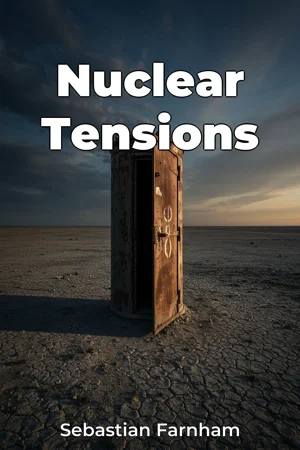
"Nuclear Tensions" explores the intricate history of nuclear weapons, strategic arms races, and international efforts to prevent global annihilation, a threat that remains relevant today. The book examines the evolution of nuclear weaponry's impact on global power dynamics, the delicate diplomacy and deterrence strategies employed during the Cold War, and the ongoing challenges of nuclear proliferation and disarmament in the 21st century. Readers will gain insight into the technological advancements and the political ideologies that have shaped the nuclear age, including the pivotal arms race between the United States and the Soviet Union. The book argues that the threat of nuclear war persists, using archival documents and scholarly analysis to support its perspective. It delves into the strategies of deterrence and arms control, evaluating the effectiveness of treaties and agreements, while also examining the roles of nuclear powers such as China, the United Kingdom, and France. Structured chronologically and thematically, the book begins with the science and history of nuclear weapons, transitions into deterrence and arms control, and concludes with an examination of current nuclear proliferation challenges. "Nuclear Tensions" connects the history of nuclear weapons to contemporary debates about nuclear disarmament and global security. By presenting detailed case studies and avoiding technical jargon, it offers a fresh perspective on the complex interplay of technology, politics, and human psychology that defines the nuclear age, making it valuable for students, policymakers, and anyone interested in history, political science, or international relations.
Book Details
ISBN
9788235298317
Publisher
Publifye AS
Your Licenses
You don't own any licenses for this book
Purchase a license below to unlock this book and download the EPUB.
Purchase License
Select a tier to unlock this book
Need bulk licensing?
Contact us for enterprise agreements.