
About This Book
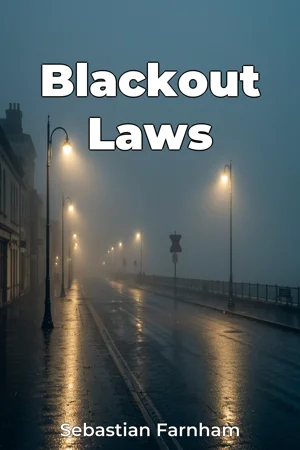
Could the absence of light truly become a weapon of war? This book, *Blackout Laws*, explores the largely unexamined history of regulations enforced during wartime blackouts, revealing their critical role in national security strategies and their surprising impact on civilian life. It is a focused investigation at the intersection of military history, political science, and legal studies. *Blackout Laws* delves into three core areas: the legal frameworks establishing and enforcing blackout regulations, the practical challenges of implementing these regulations in diverse communities, and their effectiveness as a defensive measure against aerial attacks. These topics are vital because they illuminate a previously obscure aspect of wartime governance, exposing the complex relationship between national security, civil liberties, and everyday existence. Examining these historical precedents offers valuable insights into contemporary security measures and emergency preparedness protocols. The book provides a historical context by examining the evolution of aerial warfare and the escalating threats posed to civilian populations. It contextualizes the social climate of fear and uncertainty that prompted the implementation of blackout measures during periods like World War II and the Cold War. Readers should ideally possess a baseline knowledge of 20th-century military history and the political landscapes of the nations discussed. The central argument is that blackout laws, while seemingly simple in their objective, represent a crucial intersection of military necessity and domestic policy, revealing a nation's priorities and the lengths to which it will go to protect itself. This argument is essential because it challenges the perception of wartime legal measures as solely reactive, demonstrating their proactive function in shaping societal behavior and bolstering national defense. The structure of *Blackout Laws* unfolds as follows: Initially, the book establishes the legal and political foundations of blackout regulations, analyzing the legislative processes and executive orders that brought them into effect. It progresses by examining the diverse impacts of these laws on different communities, considering factors such as urban versus rural settings, and socio-economic variations. Further, the book assesses the practical effectiveness of blackouts in reducing casualties and hindering enemy operations, drawing on statistical data and case studies. The analysis culminates by considering the long-term implications of blackout laws on national security strategies and civil liberties. Finally, the book reflects on lessons learned and suggests applications of this historical understanding to contemporary emergency management and urban planning. Supporting arguments are derived from legal archives, government documents, military records, personal accounts, and statistical analyses of wartime casualty data. This multifaceted research approach utilizes previously untapped primary source material to provide a comprehensive understanding of blackout laws and their effects. The book bridges military history with legal studies by dissecting the legal frameworks underpinning the blackout regulations. It also joins political science with urban studies by analyzing how these laws affected communities and influenced policy decisions. These interdisciplinary connections enrich the overall analysis, providing a more textured and nuanced understanding of the subject matter. *Blackout Laws* offers a unique perspective by examining wartime blackout measures through a legal and sociological lens, rather than as a mere footnote in military history. This innovative approach provides valuable new insights into the complex relationship between law, society, and national security during times of conflict. The tone is academic but accessible, presenting complex legal and historical information in a clear, engaging manner, avoiding jargon whilst retaining a scholarly approach. The target audience includes historians, political scientists, legal scholars, military strategists, urban planners, and anyone interested in the intersection of law, society, and national security. This book appeals to readers seeking a deeper understanding of wartime governance and its lasting impact on modern society. As a non-fiction work in the genres of military history, politics, and legal studies, the book adheres to established academic conventions, including thorough research, detailed citations, and balanced analysis. The scope of *Blackout Laws* is limited to a focused examination of blackout regulations during the 20th and early 21st centuries, primarily focusing on Western democracies. While acknowledging the global nature of warfare, the book intentionally limits its scope to allow for an in-depth analysis of specific legal and social contexts. The information presented in this book has practical application for contemporary emergency management and urban planning. By understanding the historical context and effectiveness of blackout measures, policymakers and planners can develop more informed strategies for addressing modern threats. While this book focuses on the legal and practical aspects of blackout laws, it also acknowledges the ongoing debates surrounding the balance between national security and civil liberties. By presenting a balanced analysis of the historical record, *Blackout Laws* contributes to this important conversation.
Could the absence of light truly become a weapon of war? This book, *Blackout Laws*, explores the largely unexamined history of regulations enforced during wartime blackouts, revealing their critical role in national security strategies and their surprising impact on civilian life. It is a focused investigation at the intersection of military history, political science, and legal studies. *Blackout Laws* delves into three core areas: the legal frameworks establishing and enforcing blackout regulations, the practical challenges of implementing these regulations in diverse communities, and their effectiveness as a defensive measure against aerial attacks. These topics are vital because they illuminate a previously obscure aspect of wartime governance, exposing the complex relationship between national security, civil liberties, and everyday existence. Examining these historical precedents offers valuable insights into contemporary security measures and emergency preparedness protocols. The book provides a historical context by examining the evolution of aerial warfare and the escalating threats posed to civilian populations. It contextualizes the social climate of fear and uncertainty that prompted the implementation of blackout measures during periods like World War II and the Cold War. Readers should ideally possess a baseline knowledge of 20th-century military history and the political landscapes of the nations discussed. The central argument is that blackout laws, while seemingly simple in their objective, represent a crucial intersection of military necessity and domestic policy, revealing a nation's priorities and the lengths to which it will go to protect itself. This argument is essential because it challenges the perception of wartime legal measures as solely reactive, demonstrating their proactive function in shaping societal behavior and bolstering national defense. The structure of *Blackout Laws* unfolds as follows: Initially, the book establishes the legal and political foundations of blackout regulations, analyzing the legislative processes and executive orders that brought them into effect. It progresses by examining the diverse impacts of these laws on different communities, considering factors such as urban versus rural settings, and socio-economic variations. Further, the book assesses the practical effectiveness of blackouts in reducing casualties and hindering enemy operations, drawing on statistical data and case studies. The analysis culminates by considering the long-term implications of blackout laws on national security strategies and civil liberties. Finally, the book reflects on lessons learned and suggests applications of this historical understanding to contemporary emergency management and urban planning. Supporting arguments are derived from legal archives, government documents, military records, personal accounts, and statistical analyses of wartime casualty data. This multifaceted research approach utilizes previously untapped primary source material to provide a comprehensive understanding of blackout laws and their effects. The book bridges military history with legal studies by dissecting the legal frameworks underpinning the blackout regulations. It also joins political science with urban studies by analyzing how these laws affected communities and influenced policy decisions. These interdisciplinary connections enrich the overall analysis, providing a more textured and nuanced understanding of the subject matter. *Blackout Laws* offers a unique perspective by examining wartime blackout measures through a legal and sociological lens, rather than as a mere footnote in military history. This innovative approach provides valuable new insights into the complex relationship between law, society, and national security during times of conflict. The tone is academic but accessible, presenting complex legal and historical information in a clear, engaging manner, avoiding jargon whilst retaining a scholarly approach. The target audience includes historians, political scientists, legal scholars, military strategists, urban planners, and anyone interested in the intersection of law, society, and national security. This book appeals to readers seeking a deeper understanding of wartime governance and its lasting impact on modern society. As a non-fiction work in the genres of military history, politics, and legal studies, the book adheres to established academic conventions, including thorough research, detailed citations, and balanced analysis. The scope of *Blackout Laws* is limited to a focused examination of blackout regulations during the 20th and early 21st centuries, primarily focusing on Western democracies. While acknowledging the global nature of warfare, the book intentionally limits its scope to allow for an in-depth analysis of specific legal and social contexts. The information presented in this book has practical application for contemporary emergency management and urban planning. By understanding the historical context and effectiveness of blackout measures, policymakers and planners can develop more informed strategies for addressing modern threats. While this book focuses on the legal and practical aspects of blackout laws, it also acknowledges the ongoing debates surrounding the balance between national security and civil liberties. By presenting a balanced analysis of the historical record, *Blackout Laws* contributes to this important conversation.
"Blackout Laws" examines the history of wartime blackout regulations, revealing their significant role in national security and their broad impact on civilian life. This book explores the intersection of military history, political science, and legal studies, highlighting how seemingly simple regulations reflect a nation's priorities during conflict. Notably, the enforcement of these laws during periods like World War II and the Cold War reveals a complex relationship between national security and civil liberties. The book begins by establishing the legal foundations of blackout regulations, then progresses to analyzing their diverse impacts on communities, considering factors such as urban versus rural settings. It assesses the effectiveness of blackouts in reducing casualties, using statistical data and case studies. Examining these historical precedents offers valuable insights into contemporary security measures and emergency preparedness protocols, making this book a unique and valuable resource for understanding wartime governance. This analysis challenges the perception of wartime legal measures as solely reactive, demonstrating their proactive function in shaping societal behavior and bolstering national defense. By bridging military history with legal studies and political science with urban studies, "Blackout Laws" provides a comprehensive and nuanced understanding of the subject matter, also offering lessons applicable to modern emergency management and urban planning.
Book Details
ISBN
9788235298270
Publisher
Publifye AS
Your Licenses
You don't own any licenses for this book
Purchase a license below to unlock this book and download the EPUB.
Purchase License
Select a tier to unlock this book
Need bulk licensing?
Contact us for enterprise agreements.