
About This Book
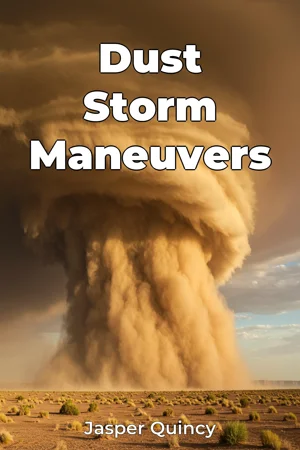
Have you ever wondered how humans and animals manage to survive the terrifying intensity of desert dust storms? "Dust Storm Maneuvers" delves into the critical tactics employed to withstand and escape these natural phenomena, presenting a comprehensive guide to survival and understanding. We examine the history, geography, and science behind these storms, offering crucial insights for anyone venturing into arid environments or simply wanting to understand these forces of nature. This book primarily focuses on understanding and implementing practical strategies for mitigating the dangers of desert dust storms. These include not only personal protection techniques such as utilizing appropriate clothing and equipment, but also group survival strategies like tethering systems and coordinated movement. A key aspect is the analysis of terrain alignment to minimize exposure and maximize the use of natural shelters, examining how a deep comprehension of geography can become a survival tool. Desert dust storms have impacted human civilizations for millennia, shaping trade routes, influencing agricultural practices, and inspiring countless myths and legends. A look into historical accounts and recent scientific studies provides context for the challenges these storms present. Basic knowledge of meteorology, particularly atmospheric pressure systems and wind dynamics, will enhance the reader's understanding, while we also bridge the gap by explaining these concepts as needed. Our central argument is that preparedness and informed decision-making are the most effective defenses against dust storms. Surviving these events isn't simply a matter of luck; it requires an understanding of the storm's behavior, careful planning, and the application of specific techniques. This book provides the knowledge necessary to transform potential victims into informed survivors. The book begins by introducing the science behind dust storms: how they form, what factors influence their intensity and duration, and the geographical regions most susceptible. Moving from theory to practice, it develops techniques for personal protection, including the use of fabric face shields, protective clothing, and emergency shelters. A significant portion is dedicated to group survival strategies, detailing the importance of communication, coordinated movement, and the use of tethering systems to prevent separation. The book culminates in analyzing real-world case studies, demonstrating the practical application of these techniques and highlighting the consequences of inadequate preparation, explaining how real world dust storms have been survived by applying described tactics. Finally, we consider the future implications of increasing desertification and the growing frequency of dust storms due to climate change. The evidence presented is drawn from a variety of sources, including meteorological data, geographical surveys, historical records, and first-hand accounts from individuals who have experienced dust storms. The book also incorporates research from search and rescue operations, analyzing successful and unsuccessful strategies employed in real-world scenarios. "Dust Storm Maneuvers" incorporates elements from geography, environmental science, and disaster management. It explores the geological factors that contribute to dust storm formation, the environmental impacts of these storms on ecosystems, and the disaster management protocols that are essential for mitigating their effects. These interdisciplinary connections provide a holistic understanding of the challenges and solutions. This book offers a unique perspective by combining scientific analysis with practical survival strategies. It moves beyond simply describing dust storms to empowering readers with the knowledge and skills necessary to navigate them safely. Our tone is informative and practical, designed to educate and equip the reader, not to sensationalize the dangers. The target audience includes outdoor enthusiasts, geographers, environmental scientists, emergency responders, and anyone living in or traveling through arid regions. This book is valuable because it provides actionable information that could potentially save lives. It adheres to the conventions of adventure and earth sciences geography by focusing on real-world experiences, scientific data, and practical applications. The book focuses primarily on survival tactics related to intense desert dust storms. While it touches on the broader environmental impacts of desertification, it does not delve deeply into climate change policy or global environmental management. The knowledge presented can be applied in a variety of real-world situations, from planning a desert trek to developing emergency response protocols for communities in affected regions. Furthermore, understanding dust storm dynamics can inform land management practices and mitigation strategies aimed at reducing their frequency and intensity. The effectiveness of certain survival techniques is debated within the scientific and outdoor communities. For instance, reliance on specific types of face coverings may offer limited protection against the smallest particulate matter. "Dust Storm Maneuvers" addresses these debates by presenting a balanced perspective, acknowledging the limitations of each technique and emphasizing the importance of a multi-faceted approach to survival.
Have you ever wondered how humans and animals manage to survive the terrifying intensity of desert dust storms? "Dust Storm Maneuvers" delves into the critical tactics employed to withstand and escape these natural phenomena, presenting a comprehensive guide to survival and understanding. We examine the history, geography, and science behind these storms, offering crucial insights for anyone venturing into arid environments or simply wanting to understand these forces of nature. This book primarily focuses on understanding and implementing practical strategies for mitigating the dangers of desert dust storms. These include not only personal protection techniques such as utilizing appropriate clothing and equipment, but also group survival strategies like tethering systems and coordinated movement. A key aspect is the analysis of terrain alignment to minimize exposure and maximize the use of natural shelters, examining how a deep comprehension of geography can become a survival tool. Desert dust storms have impacted human civilizations for millennia, shaping trade routes, influencing agricultural practices, and inspiring countless myths and legends. A look into historical accounts and recent scientific studies provides context for the challenges these storms present. Basic knowledge of meteorology, particularly atmospheric pressure systems and wind dynamics, will enhance the reader's understanding, while we also bridge the gap by explaining these concepts as needed. Our central argument is that preparedness and informed decision-making are the most effective defenses against dust storms. Surviving these events isn't simply a matter of luck; it requires an understanding of the storm's behavior, careful planning, and the application of specific techniques. This book provides the knowledge necessary to transform potential victims into informed survivors. The book begins by introducing the science behind dust storms: how they form, what factors influence their intensity and duration, and the geographical regions most susceptible. Moving from theory to practice, it develops techniques for personal protection, including the use of fabric face shields, protective clothing, and emergency shelters. A significant portion is dedicated to group survival strategies, detailing the importance of communication, coordinated movement, and the use of tethering systems to prevent separation. The book culminates in analyzing real-world case studies, demonstrating the practical application of these techniques and highlighting the consequences of inadequate preparation, explaining how real world dust storms have been survived by applying described tactics. Finally, we consider the future implications of increasing desertification and the growing frequency of dust storms due to climate change. The evidence presented is drawn from a variety of sources, including meteorological data, geographical surveys, historical records, and first-hand accounts from individuals who have experienced dust storms. The book also incorporates research from search and rescue operations, analyzing successful and unsuccessful strategies employed in real-world scenarios. "Dust Storm Maneuvers" incorporates elements from geography, environmental science, and disaster management. It explores the geological factors that contribute to dust storm formation, the environmental impacts of these storms on ecosystems, and the disaster management protocols that are essential for mitigating their effects. These interdisciplinary connections provide a holistic understanding of the challenges and solutions. This book offers a unique perspective by combining scientific analysis with practical survival strategies. It moves beyond simply describing dust storms to empowering readers with the knowledge and skills necessary to navigate them safely. Our tone is informative and practical, designed to educate and equip the reader, not to sensationalize the dangers. The target audience includes outdoor enthusiasts, geographers, environmental scientists, emergency responders, and anyone living in or traveling through arid regions. This book is valuable because it provides actionable information that could potentially save lives. It adheres to the conventions of adventure and earth sciences geography by focusing on real-world experiences, scientific data, and practical applications. The book focuses primarily on survival tactics related to intense desert dust storms. While it touches on the broader environmental impacts of desertification, it does not delve deeply into climate change policy or global environmental management. The knowledge presented can be applied in a variety of real-world situations, from planning a desert trek to developing emergency response protocols for communities in affected regions. Furthermore, understanding dust storm dynamics can inform land management practices and mitigation strategies aimed at reducing their frequency and intensity. The effectiveness of certain survival techniques is debated within the scientific and outdoor communities. For instance, reliance on specific types of face coverings may offer limited protection against the smallest particulate matter. "Dust Storm Maneuvers" addresses these debates by presenting a balanced perspective, acknowledging the limitations of each technique and emphasizing the importance of a multi-faceted approach to survival.
"Dust Storm Maneuvers" offers a comprehensive guide to understanding and surviving the perilous intensity of desert dust storms. It delves into practical strategies, such as utilizing terrain alignment for natural shelter and employing effective group survival tactics like tethering systems, to mitigate the dangers posed by these environmental phenomena. Readers will discover how a solid grasp of geography can serve as a crucial survival tool when facing blinding conditions and powerful winds. The book explores both historical accounts and recent scientific studies to contextualize the challenges presented by dust storms, highlighting their impact on human civilizations and ecosystems. It also emphasizes the importance of preparedness and informed decision-making, asserting that survival requires understanding storm behavior, careful planning, and specific techniques. Basic meteorological concepts, such as atmospheric pressure and wind dynamics, are explained to enhance comprehension of storm formation and behavior. Beginning with the science behind dust storms and progressing to personal and group protection techniques, this book analyzes real-world case studies to illustrate the application of survival strategies. Ultimately, it equips readers with actionable knowledge, transforming potential victims into informed survivors capable of navigating these formidable natural events.
Book Details
ISBN
9788235298157
Publisher
Publifye AS
Your Licenses
You don't own any licenses for this book
Purchase a license below to unlock this book and download the EPUB.
Purchase License
Select a tier to unlock this book
Need bulk licensing?
Contact us for enterprise agreements.