
About This Book
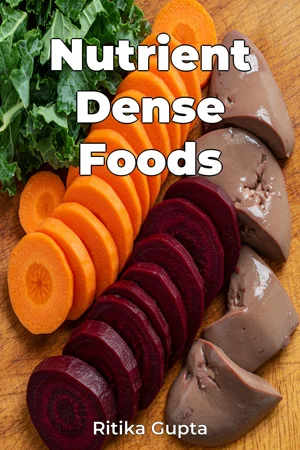
Are you truly maximizing your health potential through diet? "Nutrient Dense Foods" delves into the core principles of optimizing human health by focusing on the quality, not just the quantity, of the food we consume. This book explores the significance of nutrient density in achieving optimal well-being, examining how specific foods can act as powerful allies in preventing disease and promoting overall vitality. We will investigate not only what constitutes a nutrient-dense food, but also how these foods impact our bodies at a cellular level. This book is crucial because, in an era of readily available but often nutrient-poor processed foods, understanding the concept of nutrient density is more critical than ever. We will examine the historical context of dietary recommendations and how the shift towards calorie-focused approaches has inadvertently led to widespread nutrient deficiencies. The book assumes a basic understanding of biology, but aims to provide a clear and accessible explanation of complex biochemical processes. The central argument of "Nutrient Dense Foods" is that prioritizing nutrient density in our dietary choices is the most effective strategy for supporting long-term health, preventing chronic diseases, and maximizing overall physiological function. This argument is vital in a world grappling with rising rates of obesity, diabetes, and other diet-related illnesses. The book begins by defining nutrient density and explaining its importance in human biology. It then explores specific food groups, such as organ meats, seafood, vegetables, fruits, and seeds, analyzing the unique nutrient profiles of each. The discussion develops into an examination of how specific vitamins, minerals, and phytonutrients within these foods contribute to various physiological processes, including immune function, cognitive health, and cellular repair. We will explore how these nutrients interact synergistically to enhance their individual benefits. The argument culminates in a discussion of practical strategies for incorporating nutrient-dense foods into everyday diets and overcoming common challenges associated with adopting a nutrient-focused approach to eating. Finally, practical applications and considerations for specific populations and dietary needs, such as children, athletes, and individuals with specific health conditions, are provided. The evidence and research presented throughout the book will draw from a wide range of sources, including peer-reviewed scientific studies, nutritional databases, and clinical trials. Emphasis will be placed on studies demonstrating the bioavailability and efficacy of nutrients from whole food sources. Original data analysis comparing the nutrient density of various common food items will also be included. This book connects to fields such as agriculture, examining the impact of soil health on the nutrient content of crops, and economics, exploring the accessibility and affordability of nutrient-dense foods for different populations. Additionally, it bridges into environmental science by considering the sustainability of different food production methods. "Nutrient Dense Foods" distinguishes itself by taking a holistic approach to nutrition, moving beyond simplistic calorie counting to emphasize the vital role of micronutrients and phytonutrients in supporting optimal health. The writing style is informative and accessible, aiming to empower readers with the knowledge they need to make informed dietary choices. The target audience includes health-conscious individuals, nutrition enthusiasts, healthcare professionals, and anyone seeking to improve their well-being through diet. This book is valuable to them because it provides a comprehensive, evidence-based guide to understanding and implementing nutrient density in their own lives. As a book focusing on biology, health, and nutrition, it adheres to scientific accuracy and avoids making unsubstantiated claims. The scope of the book is limited to discussing the nutritional benefits of whole foods, with less focus on processed foods or supplements. The information presented in "Nutrient Dense Foods" can be applied in real-world settings by providing readers with practical tips for meal planning, grocery shopping, and preparing nutrient-dense meals. It also addresses common misconceptions about nutrition and provides guidance on navigating conflicting dietary advice. The book will also touch upon ongoing debates within the field of nutrition, such as the optimal ratio of macronutrients, the role of saturated fat in heart health, and the potential benefits of specific dietary patterns. By presenting a balanced perspective on these issues, the book aims to empower readers to critically evaluate information and make informed decisions based on their individual needs and preferences.
Are you truly maximizing your health potential through diet? "Nutrient Dense Foods" delves into the core principles of optimizing human health by focusing on the quality, not just the quantity, of the food we consume. This book explores the significance of nutrient density in achieving optimal well-being, examining how specific foods can act as powerful allies in preventing disease and promoting overall vitality. We will investigate not only what constitutes a nutrient-dense food, but also how these foods impact our bodies at a cellular level. This book is crucial because, in an era of readily available but often nutrient-poor processed foods, understanding the concept of nutrient density is more critical than ever. We will examine the historical context of dietary recommendations and how the shift towards calorie-focused approaches has inadvertently led to widespread nutrient deficiencies. The book assumes a basic understanding of biology, but aims to provide a clear and accessible explanation of complex biochemical processes. The central argument of "Nutrient Dense Foods" is that prioritizing nutrient density in our dietary choices is the most effective strategy for supporting long-term health, preventing chronic diseases, and maximizing overall physiological function. This argument is vital in a world grappling with rising rates of obesity, diabetes, and other diet-related illnesses. The book begins by defining nutrient density and explaining its importance in human biology. It then explores specific food groups, such as organ meats, seafood, vegetables, fruits, and seeds, analyzing the unique nutrient profiles of each. The discussion develops into an examination of how specific vitamins, minerals, and phytonutrients within these foods contribute to various physiological processes, including immune function, cognitive health, and cellular repair. We will explore how these nutrients interact synergistically to enhance their individual benefits. The argument culminates in a discussion of practical strategies for incorporating nutrient-dense foods into everyday diets and overcoming common challenges associated with adopting a nutrient-focused approach to eating. Finally, practical applications and considerations for specific populations and dietary needs, such as children, athletes, and individuals with specific health conditions, are provided. The evidence and research presented throughout the book will draw from a wide range of sources, including peer-reviewed scientific studies, nutritional databases, and clinical trials. Emphasis will be placed on studies demonstrating the bioavailability and efficacy of nutrients from whole food sources. Original data analysis comparing the nutrient density of various common food items will also be included. This book connects to fields such as agriculture, examining the impact of soil health on the nutrient content of crops, and economics, exploring the accessibility and affordability of nutrient-dense foods for different populations. Additionally, it bridges into environmental science by considering the sustainability of different food production methods. "Nutrient Dense Foods" distinguishes itself by taking a holistic approach to nutrition, moving beyond simplistic calorie counting to emphasize the vital role of micronutrients and phytonutrients in supporting optimal health. The writing style is informative and accessible, aiming to empower readers with the knowledge they need to make informed dietary choices. The target audience includes health-conscious individuals, nutrition enthusiasts, healthcare professionals, and anyone seeking to improve their well-being through diet. This book is valuable to them because it provides a comprehensive, evidence-based guide to understanding and implementing nutrient density in their own lives. As a book focusing on biology, health, and nutrition, it adheres to scientific accuracy and avoids making unsubstantiated claims. The scope of the book is limited to discussing the nutritional benefits of whole foods, with less focus on processed foods or supplements. The information presented in "Nutrient Dense Foods" can be applied in real-world settings by providing readers with practical tips for meal planning, grocery shopping, and preparing nutrient-dense meals. It also addresses common misconceptions about nutrition and provides guidance on navigating conflicting dietary advice. The book will also touch upon ongoing debates within the field of nutrition, such as the optimal ratio of macronutrients, the role of saturated fat in heart health, and the potential benefits of specific dietary patterns. By presenting a balanced perspective on these issues, the book aims to empower readers to critically evaluate information and make informed decisions based on their individual needs and preferences.
"Nutrient Dense Foods" explores how prioritizing the quality of food, specifically its nutrient density, is essential for achieving optimal health and preventing disease. It highlights that focusing on nutrient density, rather than just calories, can significantly impact our physiological function and overall well-being. The book argues that many modern diets, while providing sufficient calories, often lack the crucial vitamins, minerals, and phytonutrients necessary for cellular health. The book begins by clearly defining nutrient density and its biological importance. It then examines various food groups, such as organ meats, seafood, and vegetables, detailing their unique nutrient profiles and synergistic interactions. For example, the book delves into how specific nutrients contribute to immune function, cognitive health, and cellular repair, emphasizing the benefits of whole foods over processed alternatives. The book distinguishes itself by offering a holistic, evidence-based approach to nutrition, moving beyond simple calorie counting to emphasize the critical role of micronutrients. It progresses from foundational concepts to practical strategies for incorporating nutrient-dense foods into daily diets, addressing challenges and considerations for diverse populations. The aim is to empower readers with the knowledge to make informed dietary choices and enhance their health potential.
Book Details
ISBN
9788235297945
Publisher
Publifye AS
Your Licenses
You don't own any licenses for this book
Purchase a license below to unlock this book and download the EPUB.
Purchase License
Select a tier to unlock this book
Need bulk licensing?
Contact us for enterprise agreements.