
About This Book
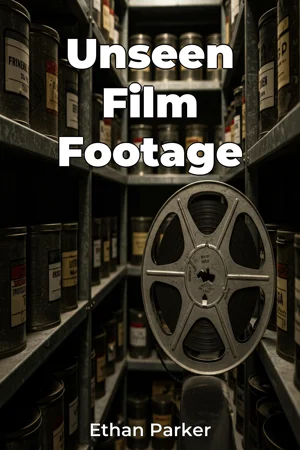
Ever wondered what secrets lie buried on the cutting room floor of your favorite films? "Unseen Film Footage" delves into the fascinating world of deleted scenes, alternate versions, and lost footage from famous movies, offering a unique perspective on the filmmaking process and the creative decisions that shape cinematic history. This exploration is not merely a collection of discarded moments but a critical examination of why certain scenes and sequences were deemed unfit for the final cut, revealing as much about cultural anxieties and studio interference as it does about the artistic vision of directors and writers. This book illuminates the importance of understanding these discarded elements for several reasons. First, they often provide crucial context and character development that enriches the viewer's understanding of the final film. Second, they offer insight into the collaborative—and sometimes contentious—nature of filmmaking, highlighting the roles of producers, studio executives, and test audiences in shaping the final product. Finally, these glimpses behind the curtain challenge the notion of a film as a singular, immutable work of art, revealing it instead as a product of negotiation, compromise, and evolving creative choices. "Unseen Film Footage" adopts a structured approach to unveiling these hidden cinematic treasures. The first section introduces the concept of "unseen footage" and its various forms, from deleted scenes and alternate endings to outtakes and behind-the-scenes material. It establishes a framework for understanding the reasons behind their exclusion, considering factors such as pacing, narrative clarity, censorship, and audience reception. The subsequent sections each focus on specific themes or genres, showcasing examples of unseen footage that exemplify these concepts. For instance, one section might explore the impact of studio interference on director's cuts, using examples from science fiction and horror films to illustrate how executive meddling can alter a film's tone and message. Another section could examine the role of censorship and cultural sensitivities in shaping historical dramas, highlighting scenes that were removed due to perceived political or social controversy. A final section analyzes how alternate endings change the meaning of a film. The book draws upon a variety of sources, including studio archives, director's commentaries, screenplays, and interviews with filmmakers and actors. It also incorporates analysis of audience reactions and critical reviews to provide a comprehensive understanding of the impact of these unseen elements. The book uses a conversational and accessible tone, avoiding jargon and technical terms whenever possible, to appeal to a broad audience of film enthusiasts. The book is tailored for cinephiles, film students, and anyone curious about the inner workings of the film industry. It provides a valuable resource for understanding the complexities of film production and the often-unseen forces that shape the movies we love. "Unseen Film Footage" acknowledges the limitations inherent in this kind of study. It focuses primarily on commercially released films from major studios, with a bias toward English-language productions. This focus is intentional, reflecting the availability of archival materials and the broader cultural impact of these films. However, the book also recognizes the importance of independent and international cinema and encourages further exploration in these areas. The genre that this book sits in encourages rigorous documentation, detailed analysis, and clear presentation of evidence. It addresses the ongoing debate about the role of studio interference in artistic expression, offering a nuanced perspective that acknowledges the economic realities of filmmaking while defending the importance of creative freedom. The book also touches on the ethics of restoring and releasing deleted scenes, considering the potential impact on the director's original vision. The exploration of these themes connects with broader discussions in art history, cultural studies, and media theory, enhancing the book's intellectual depth. By exploring these connections, "Unseen Film Footage" offers a comprehensive and insightful look at the hidden world of film.
Ever wondered what secrets lie buried on the cutting room floor of your favorite films? "Unseen Film Footage" delves into the fascinating world of deleted scenes, alternate versions, and lost footage from famous movies, offering a unique perspective on the filmmaking process and the creative decisions that shape cinematic history. This exploration is not merely a collection of discarded moments but a critical examination of why certain scenes and sequences were deemed unfit for the final cut, revealing as much about cultural anxieties and studio interference as it does about the artistic vision of directors and writers. This book illuminates the importance of understanding these discarded elements for several reasons. First, they often provide crucial context and character development that enriches the viewer's understanding of the final film. Second, they offer insight into the collaborative—and sometimes contentious—nature of filmmaking, highlighting the roles of producers, studio executives, and test audiences in shaping the final product. Finally, these glimpses behind the curtain challenge the notion of a film as a singular, immutable work of art, revealing it instead as a product of negotiation, compromise, and evolving creative choices. "Unseen Film Footage" adopts a structured approach to unveiling these hidden cinematic treasures. The first section introduces the concept of "unseen footage" and its various forms, from deleted scenes and alternate endings to outtakes and behind-the-scenes material. It establishes a framework for understanding the reasons behind their exclusion, considering factors such as pacing, narrative clarity, censorship, and audience reception. The subsequent sections each focus on specific themes or genres, showcasing examples of unseen footage that exemplify these concepts. For instance, one section might explore the impact of studio interference on director's cuts, using examples from science fiction and horror films to illustrate how executive meddling can alter a film's tone and message. Another section could examine the role of censorship and cultural sensitivities in shaping historical dramas, highlighting scenes that were removed due to perceived political or social controversy. A final section analyzes how alternate endings change the meaning of a film. The book draws upon a variety of sources, including studio archives, director's commentaries, screenplays, and interviews with filmmakers and actors. It also incorporates analysis of audience reactions and critical reviews to provide a comprehensive understanding of the impact of these unseen elements. The book uses a conversational and accessible tone, avoiding jargon and technical terms whenever possible, to appeal to a broad audience of film enthusiasts. The book is tailored for cinephiles, film students, and anyone curious about the inner workings of the film industry. It provides a valuable resource for understanding the complexities of film production and the often-unseen forces that shape the movies we love. "Unseen Film Footage" acknowledges the limitations inherent in this kind of study. It focuses primarily on commercially released films from major studios, with a bias toward English-language productions. This focus is intentional, reflecting the availability of archival materials and the broader cultural impact of these films. However, the book also recognizes the importance of independent and international cinema and encourages further exploration in these areas. The genre that this book sits in encourages rigorous documentation, detailed analysis, and clear presentation of evidence. It addresses the ongoing debate about the role of studio interference in artistic expression, offering a nuanced perspective that acknowledges the economic realities of filmmaking while defending the importance of creative freedom. The book also touches on the ethics of restoring and releasing deleted scenes, considering the potential impact on the director's original vision. The exploration of these themes connects with broader discussions in art history, cultural studies, and media theory, enhancing the book's intellectual depth. By exploring these connections, "Unseen Film Footage" offers a comprehensive and insightful look at the hidden world of film.
"Unseen Film Footage" explores the hidden world of cinema by examining deleted scenes, alternate versions, and other discarded material. These forgotten moments often reveal fascinating insights into the filmmaking process, highlighting the creative decisions and sometimes contentious negotiations that shape our favorite movies. Did you know that some deleted scenes offer crucial character development, enriching the viewer's understanding? Or that studio interference can drastically alter a film's tone and message, showcasing the collaborative, and at times combative, nature of film production? The book unveils cinematic treasures using a structured approach. It begins by defining "unseen footage" and the reasons behind its exclusion, such as pacing, censorship, and audience reception. Subsequent sections delve into specific themes and genres, providing examples of how studio interference or cultural sensitivities have shaped films. By drawing upon sources like studio archives, director's commentaries, and audience reactions, the book provides a comprehensive look at the forces that shape the movies we love, making it a valuable resource for cinephiles and film students alike.
Book Details
ISBN
9788235297464
Publisher
Publifye AS
Your Licenses
You don't own any licenses for this book
Purchase a license below to unlock this book and download the EPUB.
Purchase License
Select a tier to unlock this book
Need bulk licensing?
Contact us for enterprise agreements.