
About This Book
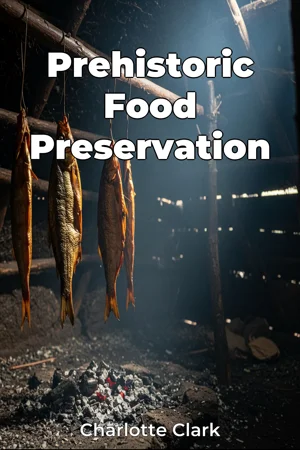
How did prehistoric people ensure food security long before the advent of modern refrigeration and agriculture? "Prehistoric Food Preservation" explores the ingenious methods employed by indigenous cultures worldwide to extend the shelf life of their sustenance, focusing on the critical techniques of smoking, drying, and fermentation. These methods were not merely about preventing spoilage; they were fundamental to survival, dictating settlement patterns, social structures, and cultural practices. This book delves into three main areas: the science behind these preservation techniques, the cultural context in which they were developed and practiced, and the archaeological evidence supporting their longevity and widespread use. Understanding these interconnected elements provides a comprehensive view of how prehistoric societies thrived in diverse environments. We begin by establishing the historical context, examining the environmental challenges faced by early humans and the imperative to develop reliable food storage solutions. The narrative then transitions to the scientific principles underlying each preservation method. Drying, for instance, reduces water activity, inhibiting microbial growth. Smoking introduces antimicrobial compounds while also contributing to dehydration. Fermentation relies on beneficial microorganisms to produce acids that inhibit the growth of spoilage organisms. The core argument of "Prehistoric Food Preservation" is that these methods represent a sophisticated understanding of natural processes. This knowledge allowed indigenous populations to overcome seasonal food scarcities and establish more stable and resilient communities. This argument is significant because it challenges the notion of prehistoric societies as primitive, showcasing their profound knowledge of biology and chemistry. The book is structured to provide a clear and coherent understanding of the subject. First, we introduce the fundamental concepts of food spoilage and the need for preservation. Then, individual chapters are devoted to each of the major preservation techniques: smoking, drying, and fermentation. Each chapter examines the specific methods used by different cultures, the science behind their effectiveness, and the archaeological evidence supporting their use. The book culminates in a discussion of the broader impact of food preservation on prehistoric societies, including its role in trade, social organization, and cultural rituals. The evidence presented in this book draws from diverse sources, including archaeological reports, ethnographic studies, and scientific analyses of preserved food remains. We analyze tools and structures used for smoking and drying, examine the chemical composition of ancient food residues, and interpret ethnographic accounts of traditional food preservation practices. "Prehistoric Food Preservation" connects to various fields of study, including archaeology, anthropology, microbiology, and nutrition. The archaeological record provides tangible evidence of past practices. Anthropology offers insights into the cultural context and social significance of food preservation. Microbiology explains the biological processes involved in spoilage and preservation. Nutrition highlights the importance of these techniques for maintaining a balanced diet. This book offers a unique perspective by combining scientific analysis with cultural context. Rather than simply describing the methods used, we explore the underlying principles and the ways in which these practices were integrated into the daily lives of prehistoric people. Written in a factual style, "Prehistoric Food Preservation" is intended for a broad audience, including students, researchers, and anyone interested in archaeology, anthropology, food history, or indigenous cultures. It will be valuable to readers seeking a deeper understanding of the ingenuity and resourcefulness of prehistoric societies. The scope of the book encompasses pre-agricultural societies up until the point where other technologies significantly altered food preservation practices. While we strive for global coverage, certain regions with richer archaeological records or more detailed ethnographic data receive greater attention. The information presented in this book has practical applications for modern readers. Understanding the principles of traditional food preservation can inform sustainable food practices and reduce reliance on processed foods. Furthermore, it offers insights into the cultural significance of food and the importance of preserving traditional knowledge. While the effectiveness of these prehistoric techniques is well-documented, questions remain regarding the specific details of their implementation and the extent of their impact on various populations. This book addresses some of these ongoing debates and offers a balanced perspective on the current state of research.
How did prehistoric people ensure food security long before the advent of modern refrigeration and agriculture? "Prehistoric Food Preservation" explores the ingenious methods employed by indigenous cultures worldwide to extend the shelf life of their sustenance, focusing on the critical techniques of smoking, drying, and fermentation. These methods were not merely about preventing spoilage; they were fundamental to survival, dictating settlement patterns, social structures, and cultural practices. This book delves into three main areas: the science behind these preservation techniques, the cultural context in which they were developed and practiced, and the archaeological evidence supporting their longevity and widespread use. Understanding these interconnected elements provides a comprehensive view of how prehistoric societies thrived in diverse environments. We begin by establishing the historical context, examining the environmental challenges faced by early humans and the imperative to develop reliable food storage solutions. The narrative then transitions to the scientific principles underlying each preservation method. Drying, for instance, reduces water activity, inhibiting microbial growth. Smoking introduces antimicrobial compounds while also contributing to dehydration. Fermentation relies on beneficial microorganisms to produce acids that inhibit the growth of spoilage organisms. The core argument of "Prehistoric Food Preservation" is that these methods represent a sophisticated understanding of natural processes. This knowledge allowed indigenous populations to overcome seasonal food scarcities and establish more stable and resilient communities. This argument is significant because it challenges the notion of prehistoric societies as primitive, showcasing their profound knowledge of biology and chemistry. The book is structured to provide a clear and coherent understanding of the subject. First, we introduce the fundamental concepts of food spoilage and the need for preservation. Then, individual chapters are devoted to each of the major preservation techniques: smoking, drying, and fermentation. Each chapter examines the specific methods used by different cultures, the science behind their effectiveness, and the archaeological evidence supporting their use. The book culminates in a discussion of the broader impact of food preservation on prehistoric societies, including its role in trade, social organization, and cultural rituals. The evidence presented in this book draws from diverse sources, including archaeological reports, ethnographic studies, and scientific analyses of preserved food remains. We analyze tools and structures used for smoking and drying, examine the chemical composition of ancient food residues, and interpret ethnographic accounts of traditional food preservation practices. "Prehistoric Food Preservation" connects to various fields of study, including archaeology, anthropology, microbiology, and nutrition. The archaeological record provides tangible evidence of past practices. Anthropology offers insights into the cultural context and social significance of food preservation. Microbiology explains the biological processes involved in spoilage and preservation. Nutrition highlights the importance of these techniques for maintaining a balanced diet. This book offers a unique perspective by combining scientific analysis with cultural context. Rather than simply describing the methods used, we explore the underlying principles and the ways in which these practices were integrated into the daily lives of prehistoric people. Written in a factual style, "Prehistoric Food Preservation" is intended for a broad audience, including students, researchers, and anyone interested in archaeology, anthropology, food history, or indigenous cultures. It will be valuable to readers seeking a deeper understanding of the ingenuity and resourcefulness of prehistoric societies. The scope of the book encompasses pre-agricultural societies up until the point where other technologies significantly altered food preservation practices. While we strive for global coverage, certain regions with richer archaeological records or more detailed ethnographic data receive greater attention. The information presented in this book has practical applications for modern readers. Understanding the principles of traditional food preservation can inform sustainable food practices and reduce reliance on processed foods. Furthermore, it offers insights into the cultural significance of food and the importance of preserving traditional knowledge. While the effectiveness of these prehistoric techniques is well-documented, questions remain regarding the specific details of their implementation and the extent of their impact on various populations. This book addresses some of these ongoing debates and offers a balanced perspective on the current state of research.
"Prehistoric Food Preservation" reveals how ancient societies mastered food preservation through smoking, drying, and fermentation. These techniques, crucial for survival before modern refrigeration, were not just about preventing food spoilage; they fundamentally shaped settlement patterns and cultural practices. For example, drying reduced water activity to inhibit microbial growth, while smoking introduced antimicrobial compounds. The book explores the science behind these methods, the cultural contexts in which they evolved, and the archaeological evidence that supports their widespread use. It dispels the misconception of prehistoric societies as primitive by demonstrating their sophisticated understanding of natural processes. Each chapter examines specific methods employed by different cultures, the science behind their effectiveness, and archaeological findings, providing a comprehensive view of prehistoric food preservation. By combining scientific analysis with cultural context, the book provides a unique perspective on how these practices were integrated into daily life. It progresses from discussing the need for food preservation to detailing individual techniques and their broader impact on prehistoric societies, highlighting their role in trade, social organization, and cultural rituals.
Book Details
ISBN
9788235297402
Publisher
Publifye AS
Your Licenses
You don't own any licenses for this book
Purchase a license below to unlock this book and download the EPUB.
Purchase License
Select a tier to unlock this book
Need bulk licensing?
Contact us for enterprise agreements.