
About This Book
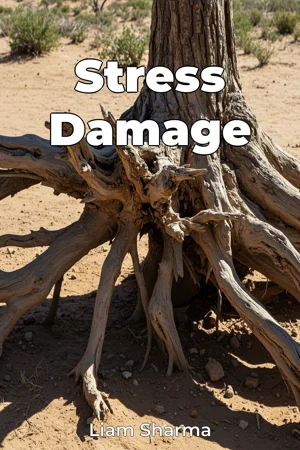
Is chronic stress silently eroding your health and accelerating the aging process? "Stress Damage" delves into the profound and often underestimated impact of chronic stress on our physical and mental well-being, offering practical, evidence-based strategies for mitigating its harmful effects and cultivating lasting resilience. This book addresses two key, interconnected topics: the science of stress and its physiological consequences, and actionable techniques for effective stress management. Understanding these areas is crucial because chronic stress is not merely a feeling; it's a biological reality with far-reaching implications for immune function, cardiovascular health, and the aging process itself. We live in an era defined by relentless demands and constant connectivity, creating a perfect storm for chronic stress. This book provides the necessary context by examining the historical and societal factors contributing to heightened stress levels in modern life. While stress has always been a part of the human experience, the nature and intensity of stressors have evolved dramatically, leading to an unprecedented burden on our adaptive systems. No prior knowledge of biology or psychology is required; we present the science in an accessible and engaging manner. The central argument of "Stress Damage" is that chronic stress, if left unmanaged, significantly compromises health and accelerates aging, but that with the right knowledge and tools, individuals can take control of their stress response and safeguard their well-being. This argument is vital because it empowers readers to move beyond simply coping with stress to actively mitigating its negative consequences at a fundamental level. The book unfolds in a structured manner: It begins by introducing the core concepts of stress physiology, explaining how the body responds to stressors and the cascade of hormonal and neurological events that ensue. We then explore the specific ways in which chronic stress damages key physiological systems, dedicating chapters to its impact on the immune system, cardiovascular health, and cellular aging. This development of ideas is followed by a culmination of our central argument, presenting a comprehensive framework for understanding the interplay between stress and overall health. Finally, the book provides a practical guide to stress management techniques, including mindfulness-based practices, cognitive restructuring, physical exercise, and lifestyle modifications. We detail how these techniques work on a physiological level, enabling readers to make informed choices about their stress management strategies. The book draws upon a wide range of scientific evidence, including peer-reviewed studies in the fields of psychoneuroimmunology, cardiology, and gerontology. We present data from longitudinal studies, clinical trials, and meta-analyses to substantiate our claims. Furthermore, we incorporate insights from cutting-edge research on the gut-brain axis and the role of inflammation in chronic stress-related diseases. We also present case studies and practical examples to illustrate the concepts and make them relatable to the reader’s own experiences. "Stress Damage" sits at the intersection of several disciplines, including psychology, neuroscience, and preventative medicine. By integrating these perspectives, the book offers a holistic understanding of stress and its impact. This interdisciplinary approach enhances the book's argument by demonstrating that stress is not just a psychological phenomenon but a complex interplay of biological, psychological, and social factors. What sets this book apart is its emphasis on empowering readers with actionable, evidence-based strategies for managing stress and mitigating its damage. Rather than simply describing the problem, we provide a roadmap for taking control of one's health and well-being. The tone is informative and engaging, designed to educate and empower readers without being overly technical or academic. The writing style is clear and concise, making complex scientific concepts accessible to a general audience. The target audience includes adults of all ages who are experiencing chronic stress and are seeking practical, evidence-based strategies for improving their health and well-being. It will be valuable to anyone who wants to understand the science of stress and its impact on the body and mind. As a self-help book focused on stress management, health, and fitness, "Stress Damage" meets the genre's expectations by providing practical advice, actionable strategies, and a clear roadmap for readers to improve their lives. We focus primarily on the physiological and psychological aspects of stress, intentionally limiting our scope to exclude in-depth discussions of workplace stressors or financial stress. The information presented in "Stress Damage" can be applied directly to readers' lives through the implementation of the stress management techniques described in the book. By adopting these strategies, readers can reduce their stress levels, improve their immune function, lower their blood pressure, and potentially slow the aging process, leading to a healthier and more fulfilling life. Some controversies in the field center around the efficacy of certain stress management techniques but we carefully address these debates, presenting a balanced perspective and highlighting the importance of individualizing treatment approaches.
Is chronic stress silently eroding your health and accelerating the aging process? "Stress Damage" delves into the profound and often underestimated impact of chronic stress on our physical and mental well-being, offering practical, evidence-based strategies for mitigating its harmful effects and cultivating lasting resilience. This book addresses two key, interconnected topics: the science of stress and its physiological consequences, and actionable techniques for effective stress management. Understanding these areas is crucial because chronic stress is not merely a feeling; it's a biological reality with far-reaching implications for immune function, cardiovascular health, and the aging process itself. We live in an era defined by relentless demands and constant connectivity, creating a perfect storm for chronic stress. This book provides the necessary context by examining the historical and societal factors contributing to heightened stress levels in modern life. While stress has always been a part of the human experience, the nature and intensity of stressors have evolved dramatically, leading to an unprecedented burden on our adaptive systems. No prior knowledge of biology or psychology is required; we present the science in an accessible and engaging manner. The central argument of "Stress Damage" is that chronic stress, if left unmanaged, significantly compromises health and accelerates aging, but that with the right knowledge and tools, individuals can take control of their stress response and safeguard their well-being. This argument is vital because it empowers readers to move beyond simply coping with stress to actively mitigating its negative consequences at a fundamental level. The book unfolds in a structured manner: It begins by introducing the core concepts of stress physiology, explaining how the body responds to stressors and the cascade of hormonal and neurological events that ensue. We then explore the specific ways in which chronic stress damages key physiological systems, dedicating chapters to its impact on the immune system, cardiovascular health, and cellular aging. This development of ideas is followed by a culmination of our central argument, presenting a comprehensive framework for understanding the interplay between stress and overall health. Finally, the book provides a practical guide to stress management techniques, including mindfulness-based practices, cognitive restructuring, physical exercise, and lifestyle modifications. We detail how these techniques work on a physiological level, enabling readers to make informed choices about their stress management strategies. The book draws upon a wide range of scientific evidence, including peer-reviewed studies in the fields of psychoneuroimmunology, cardiology, and gerontology. We present data from longitudinal studies, clinical trials, and meta-analyses to substantiate our claims. Furthermore, we incorporate insights from cutting-edge research on the gut-brain axis and the role of inflammation in chronic stress-related diseases. We also present case studies and practical examples to illustrate the concepts and make them relatable to the reader’s own experiences. "Stress Damage" sits at the intersection of several disciplines, including psychology, neuroscience, and preventative medicine. By integrating these perspectives, the book offers a holistic understanding of stress and its impact. This interdisciplinary approach enhances the book's argument by demonstrating that stress is not just a psychological phenomenon but a complex interplay of biological, psychological, and social factors. What sets this book apart is its emphasis on empowering readers with actionable, evidence-based strategies for managing stress and mitigating its damage. Rather than simply describing the problem, we provide a roadmap for taking control of one's health and well-being. The tone is informative and engaging, designed to educate and empower readers without being overly technical or academic. The writing style is clear and concise, making complex scientific concepts accessible to a general audience. The target audience includes adults of all ages who are experiencing chronic stress and are seeking practical, evidence-based strategies for improving their health and well-being. It will be valuable to anyone who wants to understand the science of stress and its impact on the body and mind. As a self-help book focused on stress management, health, and fitness, "Stress Damage" meets the genre's expectations by providing practical advice, actionable strategies, and a clear roadmap for readers to improve their lives. We focus primarily on the physiological and psychological aspects of stress, intentionally limiting our scope to exclude in-depth discussions of workplace stressors or financial stress. The information presented in "Stress Damage" can be applied directly to readers' lives through the implementation of the stress management techniques described in the book. By adopting these strategies, readers can reduce their stress levels, improve their immune function, lower their blood pressure, and potentially slow the aging process, leading to a healthier and more fulfilling life. Some controversies in the field center around the efficacy of certain stress management techniques but we carefully address these debates, presenting a balanced perspective and highlighting the importance of individualizing treatment approaches.
"Stress Damage" explores the pervasive impact of chronic stress on health and aging, offering practical strategies for building resilience. It highlights the biological reality of chronic stress, explaining how it compromises immune function and cardiovascular health, accelerating aging. The book emphasizes that managing stress is not just about coping; it's about mitigating its negative effects at a fundamental level. The book begins by explaining the science of stress physiology, detailing the body's response to stressors and the cascade of hormonal events. It then dedicates chapters to the specific ways chronic stress damages key systems. Finally, it offers a comprehensive guide to stress management techniques, including mindfulness and exercise, explaining how they work on a physiological level. What makes this book valuable is its focus on actionable, evidence-based strategies. It empowers readers to take control of their well-being by providing a roadmap for managing stress and mitigating its damage, leading to a healthier, more fulfilling life.
Book Details
ISBN
9788235296917
Publisher
Publifye AS
Your Licenses
You don't own any licenses for this book
Purchase a license below to unlock this book and download the EPUB.
Purchase License
Select a tier to unlock this book
Need bulk licensing?
Contact us for enterprise agreements.