
About This Book
Can a seemingly simple device alter the course of naval warfare and international relations? "Naval Mines" explores the multifaceted history and strategic implications of these often-overlooked weapons, revealing their profound impact on maritime power and conflict. This book delves into the evolution, deployment, and enduring significance of naval mines, examining their role in shaping naval strategy and securing waterways across centuries of conflict. This book addresses the technical development of naval mines, their tactical and strategic employment, and their influence on international law and maritime operations. Understanding naval mines is crucial because they represent a cost-effective means of projecting power, disrupting enemy operations, and influencing maritime chokepoints. Their use raises complex ethical and legal questions which continue to shape modern naval doctrine. We begin by establishing the historical context, tracing the origins of naval mines from early, improvised explosive devices to sophisticated, technologically advanced systems. We will examine the social, economic, and political conditions that fostered their development and proliferation. No prior knowledge of naval engineering is required; technical concepts will be explained clearly, enabling readers from diverse backgrounds to grasp the underlying principles. The central argument of "Naval Mines" is that these weapons, despite their relatively low cost and technological simplicity, have consistently served as potent equalizers, capable of disrupting even the most powerful naval forces. This book will highlight how the strategic use of naval mines has repeatedly forced navies to adapt their tactics, reconsider their strategic assumptions, and invest significant resources into mine countermeasures. The book is structured to provide a comprehensive overview of naval mine warfare. First, it introduces the fundamental principles of mine design, activation mechanisms, and deployment methods. Second, specific historical case studies will focus on the use of naval mines in major conflicts, including but not limited to, the Russo-Japanese War, World War I and II, the Korean War, and the Iran-Iraq War. Each case study will analyze the strategic and tactical context, the types of mines deployed, their effectiveness, and the resulting countermeasures. Finally, the book culminates in an assessment of the current state of naval mine warfare, examining emerging technologies, evolving doctrines, and the ongoing challenges of mine countermeasures. It also suggests likely future developments and their strategic implications. The analysis is based on a range of primary and secondary sources, including naval records, after-action reports, technical manuals, and scholarly articles. The book will also draw upon open-source intelligence and publicly available data on mine warfare incidents to provide a comprehensive and balanced assessment. This book draws interdisciplinary connections between military history, international law, and engineering. It emphasizes the legal constraints governing the use of naval mines, as codified in international treaties and conventions. The text also explores the engineering challenges involved in designing effective and reliable mines, as well as the countermeasures developed to neutralize them. This book offers a distinctive perspective by combining technical analysis with strategic and historical insights. The approach is fact-based, analytical, and accessible to a broad audience. The intended readership includes military historians, naval officers, defense analysts, security studies students, and anyone interested in the history and technology of naval warfare. The book's value lies in its comprehensive coverage of the subject, its analytical rigor, and its clear and accessible writing style. As a work of military history, it adheres to the genre's conventions of documenting events, analyzing strategic decisions, and assessing the impact of warfare on societies and international relations. As a work of history, it presents information in a neutral and unbiased manner, allowing readers to draw their own conclusions based on the evidence presented. The book's scope is limited to the history, technology, and strategic implications of naval mines. It does not delve into the broader aspects of naval warfare, except where directly relevant to the use of mines. The information presented has real-world applications for naval strategists seeking to understand the potential of mine warfare, policymakers tasked with regulating their use, and engineers involved in developing mine countermeasures. The book will address existing controversies surrounding the use of naval mines, such as their legality under international law, their potential to cause indiscriminate harm to civilian vessels, and the ethical considerations involved in their deployment. These debates will be presented fairly and objectively, providing readers with the information they need to form their own informed opinions.
Can a seemingly simple device alter the course of naval warfare and international relations? "Naval Mines" explores the multifaceted history and strategic implications of these often-overlooked weapons, revealing their profound impact on maritime power and conflict. This book delves into the evolution, deployment, and enduring significance of naval mines, examining their role in shaping naval strategy and securing waterways across centuries of conflict. This book addresses the technical development of naval mines, their tactical and strategic employment, and their influence on international law and maritime operations. Understanding naval mines is crucial because they represent a cost-effective means of projecting power, disrupting enemy operations, and influencing maritime chokepoints. Their use raises complex ethical and legal questions which continue to shape modern naval doctrine. We begin by establishing the historical context, tracing the origins of naval mines from early, improvised explosive devices to sophisticated, technologically advanced systems. We will examine the social, economic, and political conditions that fostered their development and proliferation. No prior knowledge of naval engineering is required; technical concepts will be explained clearly, enabling readers from diverse backgrounds to grasp the underlying principles. The central argument of "Naval Mines" is that these weapons, despite their relatively low cost and technological simplicity, have consistently served as potent equalizers, capable of disrupting even the most powerful naval forces. This book will highlight how the strategic use of naval mines has repeatedly forced navies to adapt their tactics, reconsider their strategic assumptions, and invest significant resources into mine countermeasures. The book is structured to provide a comprehensive overview of naval mine warfare. First, it introduces the fundamental principles of mine design, activation mechanisms, and deployment methods. Second, specific historical case studies will focus on the use of naval mines in major conflicts, including but not limited to, the Russo-Japanese War, World War I and II, the Korean War, and the Iran-Iraq War. Each case study will analyze the strategic and tactical context, the types of mines deployed, their effectiveness, and the resulting countermeasures. Finally, the book culminates in an assessment of the current state of naval mine warfare, examining emerging technologies, evolving doctrines, and the ongoing challenges of mine countermeasures. It also suggests likely future developments and their strategic implications. The analysis is based on a range of primary and secondary sources, including naval records, after-action reports, technical manuals, and scholarly articles. The book will also draw upon open-source intelligence and publicly available data on mine warfare incidents to provide a comprehensive and balanced assessment. This book draws interdisciplinary connections between military history, international law, and engineering. It emphasizes the legal constraints governing the use of naval mines, as codified in international treaties and conventions. The text also explores the engineering challenges involved in designing effective and reliable mines, as well as the countermeasures developed to neutralize them. This book offers a distinctive perspective by combining technical analysis with strategic and historical insights. The approach is fact-based, analytical, and accessible to a broad audience. The intended readership includes military historians, naval officers, defense analysts, security studies students, and anyone interested in the history and technology of naval warfare. The book's value lies in its comprehensive coverage of the subject, its analytical rigor, and its clear and accessible writing style. As a work of military history, it adheres to the genre's conventions of documenting events, analyzing strategic decisions, and assessing the impact of warfare on societies and international relations. As a work of history, it presents information in a neutral and unbiased manner, allowing readers to draw their own conclusions based on the evidence presented. The book's scope is limited to the history, technology, and strategic implications of naval mines. It does not delve into the broader aspects of naval warfare, except where directly relevant to the use of mines. The information presented has real-world applications for naval strategists seeking to understand the potential of mine warfare, policymakers tasked with regulating their use, and engineers involved in developing mine countermeasures. The book will address existing controversies surrounding the use of naval mines, such as their legality under international law, their potential to cause indiscriminate harm to civilian vessels, and the ethical considerations involved in their deployment. These debates will be presented fairly and objectively, providing readers with the information they need to form their own informed opinions.
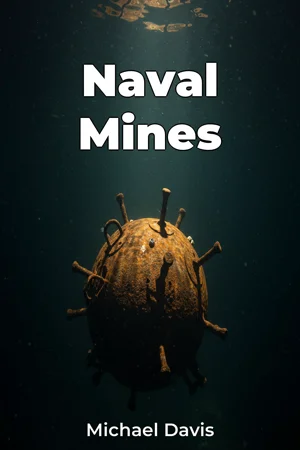
"Naval Mines" explores the significant yet often understated role of naval mines in shaping maritime strategy and military history. It delves into the evolution and deployment of these weapons, revealing how their cost-effectiveness has made them potent equalizers in naval warfare. The book highlights how even technologically simple mines can disrupt powerful naval forces, forcing them to adapt tactics and invest in mine countermeasures. One intriguing aspect covered is how the strategic use of naval mines has influenced international law and maritime operations, raising complex ethical considerations that continue to shape naval doctrine. The book examines the principles of mine design, activation, and deployment, progressing through historical case studies such as the Russo-Japanese War and the Iran-Iraq War. By analyzing these conflicts, the book shows the effectiveness of different mine types and the countermeasures they triggered. It offers a unique perspective by blending technical analysis with historical insights, making it valuable for military historians, naval officers, and anyone interested in the strategic implications of mine warfare.
Book Details
ISBN
9788235296740
Publisher
Publifye AS
Your Licenses
You don't own any licenses for this book
Purchase a license below to unlock this book and download the EPUB.
Purchase License
Select a tier to unlock this book
Need bulk licensing?
Contact us for enterprise agreements.