
About This Book
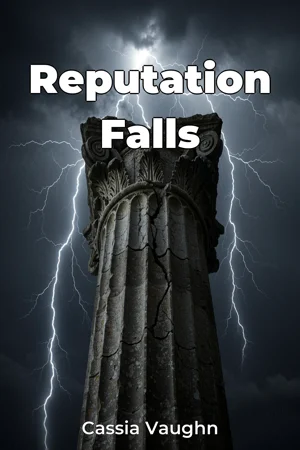
How quickly can a carefully constructed reputation crumble under the weight of a single misstep? *Reputation Falls* dissects the anatomy of reputational decline, examining specific cases where public figures and institutions experienced rapid and significant damage to their standing due to verifiable actions. This book investigates the intersection of public perception, accountability, and the lasting consequences of decisions made in the public eye. Understanding these dynamics is crucial in an era defined by instant communication and heightened scrutiny. The book explores three primary themes: the fragility of reputation, the role of public perception in shaping legacies, and the long-term impact of ethical violations. We examine how reputations, built over years of accomplishment, can be swiftly undermined by single events. We analyze the power of public opinion, investigating how media narratives and social discourse influence the perception of individuals and organizations. Finally, we scrutinize the lasting effects of ethical breaches, highlighting how these actions leave indelible marks on public figures and the institutions they represent. To understand these modern phenomena, we delve into historical examples from the 20th and 21st centuries, acknowledging the evolution of media and public discourse. This includes analyzing the pre-internet era compared to the age of social media and 24-hour news cycles, noting how the speed and reach of information dissemination have amplified the potential for reputational damage. A basic understanding of political science and communications theory will aid in fully grasping the nuances presented. The central argument of *Reputation Falls* is that while reputation is inherently vulnerable, the severity and longevity of its decline are directly proportional to the perceived ethical breach and the subsequent response by the individual or institution involved. This argument is vital because it provides a framework for understanding and potentially mitigating reputational risk in an increasingly unforgiving public sphere. It challenges the notion that all reputational crises are equal, emphasizing the importance of accountability, transparency, and strategic communication in navigating these challenges. The book is structured in four parts. Part one introduces key concepts such as reputation management, ethical decision-making, and crisis communication, setting the theoretical groundwork. Part two presents detailed case studies of prominent public figures and institutions that experienced significant reputational decline due to various missteps. These case studies will analyze the specific actions that led to the decline, the public’s reaction, and the long-term consequences. Part three delves into the strategies employed by these individuals and institutions to repair their reputations, assessing the effectiveness of different approaches. Part four concludes by offering practical insights and recommendations for individuals and organizations seeking to protect and preserve their reputations in the face of potential crises. The evidence presented in *Reputation Falls* is drawn from a variety of sources, including news archives, public statements, court documents, academic research, and social media analytics. The analysis incorporates quantitative data on public sentiment and media coverage, as well as qualitative assessments of the ethical dimensions of each case. Furthermore, the book utilizes public opinion polls and surveys to gauge changes in public perception over time, providing a comprehensive and data-driven examination of each reputational decline. The study intersects with fields such as political science, media studies, and business ethics. It draws from political science theories of leadership and public accountability, integrates media studies perspectives on framing and narrative construction, and applies principles of business ethics to evaluate the moral dimensions of reputational crises. These interdisciplinary connections enrich the analysis and provide a more holistic understanding of the complex dynamics at play. *Reputation Falls* takes a pragmatic approach, avoiding sensationalism and focusing on the objective analysis of verifiable actions and their consequences. The writing style is clear, concise, and accessible to a broad audience, avoiding jargon and technical terms. The target audience includes students of political science, communications, and business ethics, as well as professionals in public relations, crisis management, and corporate governance. The book offers valuable insights for anyone interested in understanding the dynamics of reputation, accountability, and public perception. In line with biographical and political genres, the book maintains objectivity and avoids hagiography or demonization of its subjects. It presents a balanced and nuanced account of each case, acknowledging the complexities and ambiguities involved. While covering a range of examples, the book doesn't claim to be an exhaustive list of all reputational declines. Instead, the scope is intentionally limited to cases where verifiable actions directly led to measurable damage to a public figure’s or institution’s reputation. The insights from *Reputation Falls* have real-world applications for individuals and organizations seeking to manage and protect their reputations. The book provides practical guidance on ethical decision-making, crisis communication, and reputation repair, offering tools and strategies that can be applied in a variety of contexts. *Reputation Falls* contributes to the ongoing debate about the role of public figures and institutions in society. By examining the consequences of ethical breaches and reputational decline, the book encourages readers to critically evaluate the standards of accountability and responsibility in the public sphere.
How quickly can a carefully constructed reputation crumble under the weight of a single misstep? *Reputation Falls* dissects the anatomy of reputational decline, examining specific cases where public figures and institutions experienced rapid and significant damage to their standing due to verifiable actions. This book investigates the intersection of public perception, accountability, and the lasting consequences of decisions made in the public eye. Understanding these dynamics is crucial in an era defined by instant communication and heightened scrutiny. The book explores three primary themes: the fragility of reputation, the role of public perception in shaping legacies, and the long-term impact of ethical violations. We examine how reputations, built over years of accomplishment, can be swiftly undermined by single events. We analyze the power of public opinion, investigating how media narratives and social discourse influence the perception of individuals and organizations. Finally, we scrutinize the lasting effects of ethical breaches, highlighting how these actions leave indelible marks on public figures and the institutions they represent. To understand these modern phenomena, we delve into historical examples from the 20th and 21st centuries, acknowledging the evolution of media and public discourse. This includes analyzing the pre-internet era compared to the age of social media and 24-hour news cycles, noting how the speed and reach of information dissemination have amplified the potential for reputational damage. A basic understanding of political science and communications theory will aid in fully grasping the nuances presented. The central argument of *Reputation Falls* is that while reputation is inherently vulnerable, the severity and longevity of its decline are directly proportional to the perceived ethical breach and the subsequent response by the individual or institution involved. This argument is vital because it provides a framework for understanding and potentially mitigating reputational risk in an increasingly unforgiving public sphere. It challenges the notion that all reputational crises are equal, emphasizing the importance of accountability, transparency, and strategic communication in navigating these challenges. The book is structured in four parts. Part one introduces key concepts such as reputation management, ethical decision-making, and crisis communication, setting the theoretical groundwork. Part two presents detailed case studies of prominent public figures and institutions that experienced significant reputational decline due to various missteps. These case studies will analyze the specific actions that led to the decline, the public’s reaction, and the long-term consequences. Part three delves into the strategies employed by these individuals and institutions to repair their reputations, assessing the effectiveness of different approaches. Part four concludes by offering practical insights and recommendations for individuals and organizations seeking to protect and preserve their reputations in the face of potential crises. The evidence presented in *Reputation Falls* is drawn from a variety of sources, including news archives, public statements, court documents, academic research, and social media analytics. The analysis incorporates quantitative data on public sentiment and media coverage, as well as qualitative assessments of the ethical dimensions of each case. Furthermore, the book utilizes public opinion polls and surveys to gauge changes in public perception over time, providing a comprehensive and data-driven examination of each reputational decline. The study intersects with fields such as political science, media studies, and business ethics. It draws from political science theories of leadership and public accountability, integrates media studies perspectives on framing and narrative construction, and applies principles of business ethics to evaluate the moral dimensions of reputational crises. These interdisciplinary connections enrich the analysis and provide a more holistic understanding of the complex dynamics at play. *Reputation Falls* takes a pragmatic approach, avoiding sensationalism and focusing on the objective analysis of verifiable actions and their consequences. The writing style is clear, concise, and accessible to a broad audience, avoiding jargon and technical terms. The target audience includes students of political science, communications, and business ethics, as well as professionals in public relations, crisis management, and corporate governance. The book offers valuable insights for anyone interested in understanding the dynamics of reputation, accountability, and public perception. In line with biographical and political genres, the book maintains objectivity and avoids hagiography or demonization of its subjects. It presents a balanced and nuanced account of each case, acknowledging the complexities and ambiguities involved. While covering a range of examples, the book doesn't claim to be an exhaustive list of all reputational declines. Instead, the scope is intentionally limited to cases where verifiable actions directly led to measurable damage to a public figure’s or institution’s reputation. The insights from *Reputation Falls* have real-world applications for individuals and organizations seeking to manage and protect their reputations. The book provides practical guidance on ethical decision-making, crisis communication, and reputation repair, offering tools and strategies that can be applied in a variety of contexts. *Reputation Falls* contributes to the ongoing debate about the role of public figures and institutions in society. By examining the consequences of ethical breaches and reputational decline, the book encourages readers to critically evaluate the standards of accountability and responsibility in the public sphere.
*Reputation Falls* explores the precarious nature of public image and the swiftness with which reputations can collapse due to ethical breaches and missteps. Highlighting the vulnerability of reputations, the book examines how actions in the public eye lead to lasting consequences for individuals and institutions. It emphasizes the amplified impact of instant communication and heightened scrutiny in today’s media landscape. Did you know that the severity of a reputational decline often correlates with the perceived ethical lapse and the response strategy employed? The book dissects case studies across four parts, beginning with foundational concepts like reputation management and crisis communication. It then analyzes real-world examples of public figures and organizations that have faced reputational decline. These case studies analyze the specific actions that led to the decline, the public’s reaction, and the long-term consequences, and the strategies used to repair damaged reputations. Ultimately, it provides insights and recommendations for safeguarding reputations in a crisis-prone world, making it a valuable resource for anyone interested in political science, crisis communication, and ethical breaches.
Book Details
ISBN
9788235296726
Publisher
Publifye AS
Your Licenses
You don't own any licenses for this book
Purchase a license below to unlock this book and download the EPUB.
Purchase License
Select a tier to unlock this book
Need bulk licensing?
Contact us for enterprise agreements.