
About This Book
What if a single decision, made in a tense room filled with world leaders, determined whether humanity survived or perished? This book, *Cuban Missile*, delves into the heart of the Cuban Missile Crisis, exploring the intricate web of geopolitical strategies, nuclear threats, and human fallibility that brought the world to the precipice of nuclear war in October 1962. This event remains a pivotal moment in world history, its lessons on crisis management and the dangers of nuclear proliferation still profoundly relevant today. The book examines three core themes: the strategic calculations of the United States and the Soviet Union, the role of Cuba in the escalating conflict, and the psychological pressures faced by leaders on both sides. Understanding these facets is crucial, offering insights into the complex interplay of ideology, power, and fear that characterized the Cold War. A basic understanding of the Cold War context, including the arms race and the ideological divide between the superpowers, will enhance the reader's appreciation of the gravity of the situation. Our central argument is that the Cuban Missile Crisis was not simply a clash of ideologies or a game of brinkmanship, but a complex interaction of miscalculations, communication failures, and personal biases that nearly resulted in global catastrophe. Analyzing the events through this lens reveals critical lessons applicable to contemporary international relations and nuclear policy. The book unfolds in a structured manner. It begins by introducing the historical context, detailing the rise of Fidel Castro, the failed Bay of Pigs invasion, and the Soviet Union's increasing influence in Cuba. We then move to the discovery of the missile sites and the ensuing political and military maneuvering by the Kennedy administration. Key chapters dissect the ExComm deliberations, the naval blockade, and the tense negotiations between Washington and Moscow. We explore the back-channel communications and the crucial role of individuals like Robert Kennedy and Anatoly Dobrynin. The book concludes by analyzing the aftermath of the crisis, its impact on Cold War dynamics, and its enduring legacy for nuclear arms control. The analysis is supported by a wealth of primary source material, including declassified documents from the U.S. National Archives, transcripts of White House meetings, and newly available Soviet archives. We also draw upon secondary sources from leading historians and political scientists to provide a balanced and nuanced perspective. The book makes interdisciplinary connections to fields such as political science, international relations, and psychology. Political science frameworks help to understand the power dynamics and decision-making processes. International relations theory provides tools to analyze the strategic interactions between states. Psychological insights shed light on the cognitive biases and emotional factors that influenced the behavior of key actors. This book differentiates itself through its focus on the human element, providing a granular look at the personal anxieties and misjudgments that shaped the crisis. Rather than simply presenting a chronological account, *Cuban Missile* offers a critical examination of the decision-making processes, exploring the alternate paths not taken and the near misses that averted disaster. Written in a clear and accessible style, the book aims to engage both academic scholars and general readers interested in history and international affairs. It is particularly valuable for students of history, political science, and international relations, as well as policymakers and anyone seeking a deeper understanding of nuclear strategy and crisis management. The scope of the book focuses specifically on the thirteen days of the crisis and the immediate events leading up to it. While it acknowledges the broader context of the Cold War, it does not delve extensively into other related conflicts or events. The book explores the real-world applications of crisis management and conflict resolution. The lessons learned from the Cuban Missile Crisis remain relevant for navigating contemporary international tensions. The book addresses ongoing debates about the crisis, such as whether a U.S. invasion of Cuba was inevitable, and the true motivations of Khrushchev in deploying the missiles. By presenting multiple perspectives and carefully analyzing the evidence, *Cuban Missile* aims to offer a comprehensive and insightful account of this pivotal moment in history.
What if a single decision, made in a tense room filled with world leaders, determined whether humanity survived or perished? This book, *Cuban Missile*, delves into the heart of the Cuban Missile Crisis, exploring the intricate web of geopolitical strategies, nuclear threats, and human fallibility that brought the world to the precipice of nuclear war in October 1962. This event remains a pivotal moment in world history, its lessons on crisis management and the dangers of nuclear proliferation still profoundly relevant today. The book examines three core themes: the strategic calculations of the United States and the Soviet Union, the role of Cuba in the escalating conflict, and the psychological pressures faced by leaders on both sides. Understanding these facets is crucial, offering insights into the complex interplay of ideology, power, and fear that characterized the Cold War. A basic understanding of the Cold War context, including the arms race and the ideological divide between the superpowers, will enhance the reader's appreciation of the gravity of the situation. Our central argument is that the Cuban Missile Crisis was not simply a clash of ideologies or a game of brinkmanship, but a complex interaction of miscalculations, communication failures, and personal biases that nearly resulted in global catastrophe. Analyzing the events through this lens reveals critical lessons applicable to contemporary international relations and nuclear policy. The book unfolds in a structured manner. It begins by introducing the historical context, detailing the rise of Fidel Castro, the failed Bay of Pigs invasion, and the Soviet Union's increasing influence in Cuba. We then move to the discovery of the missile sites and the ensuing political and military maneuvering by the Kennedy administration. Key chapters dissect the ExComm deliberations, the naval blockade, and the tense negotiations between Washington and Moscow. We explore the back-channel communications and the crucial role of individuals like Robert Kennedy and Anatoly Dobrynin. The book concludes by analyzing the aftermath of the crisis, its impact on Cold War dynamics, and its enduring legacy for nuclear arms control. The analysis is supported by a wealth of primary source material, including declassified documents from the U.S. National Archives, transcripts of White House meetings, and newly available Soviet archives. We also draw upon secondary sources from leading historians and political scientists to provide a balanced and nuanced perspective. The book makes interdisciplinary connections to fields such as political science, international relations, and psychology. Political science frameworks help to understand the power dynamics and decision-making processes. International relations theory provides tools to analyze the strategic interactions between states. Psychological insights shed light on the cognitive biases and emotional factors that influenced the behavior of key actors. This book differentiates itself through its focus on the human element, providing a granular look at the personal anxieties and misjudgments that shaped the crisis. Rather than simply presenting a chronological account, *Cuban Missile* offers a critical examination of the decision-making processes, exploring the alternate paths not taken and the near misses that averted disaster. Written in a clear and accessible style, the book aims to engage both academic scholars and general readers interested in history and international affairs. It is particularly valuable for students of history, political science, and international relations, as well as policymakers and anyone seeking a deeper understanding of nuclear strategy and crisis management. The scope of the book focuses specifically on the thirteen days of the crisis and the immediate events leading up to it. While it acknowledges the broader context of the Cold War, it does not delve extensively into other related conflicts or events. The book explores the real-world applications of crisis management and conflict resolution. The lessons learned from the Cuban Missile Crisis remain relevant for navigating contemporary international tensions. The book addresses ongoing debates about the crisis, such as whether a U.S. invasion of Cuba was inevitable, and the true motivations of Khrushchev in deploying the missiles. By presenting multiple perspectives and carefully analyzing the evidence, *Cuban Missile* aims to offer a comprehensive and insightful account of this pivotal moment in history.
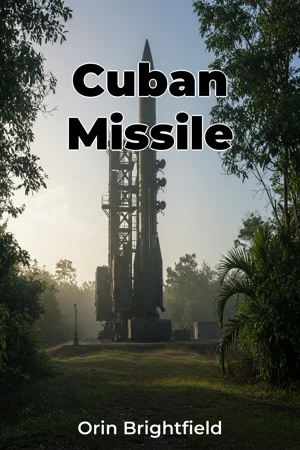
"Cuban Missile" examines the October 1962 Cuban Missile Crisis, a pivotal moment in world history that brought humanity to the brink of nuclear war. It explores the complex interplay of US-Soviet relations, geopolitics, and the ever-present threat of nuclear proliferation during the Cold War. The book uniquely emphasizes the human element, revealing how miscalculations, communication failures, and personal biases nearly led to global catastrophe. One intriguing aspect is the exploration of back-channel communications, which played a critical role in de-escalating tensions. The book also considers how individual anxieties and misjudgments shaped the crisis, offering alternative perspectives on the decision-making processes within the Kennedy administration and Khrushchev's inner circle. Beginning with the historical context of Fidel Castro's rise and the failed Bay of Pigs invasion, the book progresses to the discovery of missile sites and the ensuing political and military maneuvering. It dissects the ExComm deliberations, the naval blockade, and tense negotiations between Washington and Moscow. By analyzing primary source material and drawing interdisciplinary connections to political science, international relations, and psychology, the book provides a comprehensive analysis of this critical event. Ultimately, this historical analysis highlights the enduring lessons of crisis management and their relevance to contemporary international relations.
Book Details
ISBN
9788235296665
Publisher
Publifye AS
Your Licenses
You don't own any licenses for this book
Purchase a license below to unlock this book and download the EPUB.
Purchase License
Select a tier to unlock this book
Need bulk licensing?
Contact us for enterprise agreements.