
About This Book
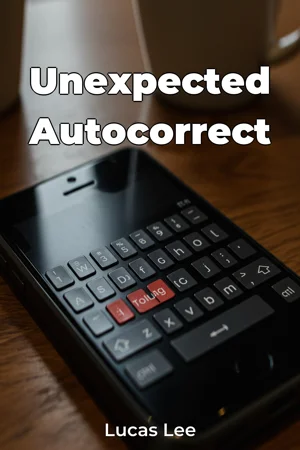
Have you ever texted "ducking" instead of "ducking" or declared your love for "otters" when you meant "others?" Automatic text correction, a ubiquitous feature of modern communication, often leads to humorous, and sometimes disastrous, misunderstandings. "Unexpected Autocorrect" delves into the fascinating, and often frustrating, world of predictive text, exploring how this technology, intended to enhance communication, frequently undermines it. This book examines the funniest autocorrect fails, analyzes the root causes of these errors, and investigates why technology continues to struggle with the nuances of human language. This exploration is important because autocorrect failures are not merely amusing anecdotes; they highlight fundamental challenges in artificial intelligence, natural language processing, and the way humans interact with technology. Understanding these errors provides insights into the limitations of current algorithms and the complexities of contextual understanding. The book will also examine the social implications of miscommunication in professional and personal contexts. This book will provide a historical context, tracing the evolution of predictive text from its early iterations to the sophisticated algorithms used today. It will explain the technical foundations of autocorrect systems, including the statistical models and machine learning techniques that drive them. No prior knowledge of computer science is required, as technical concepts will be explained in accessible language. The central thesis of "Unexpected Autocorrect" is that while predictive text offers undeniable convenience, its reliance on statistical probability without genuine understanding of context frequently leads to errors that can damage relationships, create professional faux pas, and expose the inherent disconnect between human intention and algorithmic interpretation. The book unfolds in three major sections. First, it introduces the concept of autocorrect and its underlying technology. This section offers numerous examples of hilarious and embarrassing autocorrect fails, collected from various online sources and user submissions. Second, the book dissects the reasons behind these failures, focusing on the limitations of statistical models, the challenges of understanding slang and colloquialisms, and the difficulty of accounting for user intent. This part includes an analysis of how autocorrect algorithms are trained and why they sometimes produce unexpected and inappropriate suggestions. The third section examines the broader implications of these communication breakdowns, considering their impact on professional communication, interpersonal relationships, and the trustworthiness of digital communication. The book presents comprehensive evidence from a variety of sources, including linguistic analyses of autocorrect errors, user surveys on experiences with predictive text, and case studies of real-world miscommunications caused by autocorrect. It also analyzes data from app stores and online forums, examining user reviews and complaints related to autocorrect. "Unexpected Autocorrect" connects to several other fields. It draws on linguistics to analyze the structure and ambiguity of language, on psychology to understand the cognitive processes involved in reading and writing, and on sociology to explore the social consequences of miscommunication. These interdisciplinary connections enrich the analysis and provide a more comprehensive understanding of the topic. The book adopts a narrative non-fiction style, blending technical explanations with engaging anecdotes and relatable examples. This approach makes the subject matter accessible to a broad audience, while maintaining a rigorous and fact-based approach. The intended audience includes anyone who uses smartphones or other devices with predictive text, as well as those interested in technology, linguistics, or the social impact of digital communication. The book is valuable to them because it provides a deeper understanding of a technology they use every day, while also offering insights into the challenges of artificial intelligence and the complexities of human communication. As a work of technology and computer science, this book dives into the intricacies of software development, algorithm design, and user experience. It will provide practical advice on how to mitigate the negative effects of autocorrect, such as strategies for training the system to better understand individual writing styles and techniques for proofreading messages before sending them. The scope of the book is limited to autocorrect systems in text-based communication, primarily on smartphones and computers. It does not extend to speech-to-text technology or other forms of automated language processing. One ongoing debate in the field is whether autocorrect should prioritize accuracy or speed. Some argue that the primary goal should be to correct errors as quickly as possible, even if this means occasionally producing incorrect suggestions. Others believe that accuracy is more important, even if it means sacrificing some speed. "Unexpected Autocorrect" explores both sides of this debate, offering a balanced perspective on the trade-offs involved.
Have you ever texted "ducking" instead of "ducking" or declared your love for "otters" when you meant "others?" Automatic text correction, a ubiquitous feature of modern communication, often leads to humorous, and sometimes disastrous, misunderstandings. "Unexpected Autocorrect" delves into the fascinating, and often frustrating, world of predictive text, exploring how this technology, intended to enhance communication, frequently undermines it. This book examines the funniest autocorrect fails, analyzes the root causes of these errors, and investigates why technology continues to struggle with the nuances of human language. This exploration is important because autocorrect failures are not merely amusing anecdotes; they highlight fundamental challenges in artificial intelligence, natural language processing, and the way humans interact with technology. Understanding these errors provides insights into the limitations of current algorithms and the complexities of contextual understanding. The book will also examine the social implications of miscommunication in professional and personal contexts. This book will provide a historical context, tracing the evolution of predictive text from its early iterations to the sophisticated algorithms used today. It will explain the technical foundations of autocorrect systems, including the statistical models and machine learning techniques that drive them. No prior knowledge of computer science is required, as technical concepts will be explained in accessible language. The central thesis of "Unexpected Autocorrect" is that while predictive text offers undeniable convenience, its reliance on statistical probability without genuine understanding of context frequently leads to errors that can damage relationships, create professional faux pas, and expose the inherent disconnect between human intention and algorithmic interpretation. The book unfolds in three major sections. First, it introduces the concept of autocorrect and its underlying technology. This section offers numerous examples of hilarious and embarrassing autocorrect fails, collected from various online sources and user submissions. Second, the book dissects the reasons behind these failures, focusing on the limitations of statistical models, the challenges of understanding slang and colloquialisms, and the difficulty of accounting for user intent. This part includes an analysis of how autocorrect algorithms are trained and why they sometimes produce unexpected and inappropriate suggestions. The third section examines the broader implications of these communication breakdowns, considering their impact on professional communication, interpersonal relationships, and the trustworthiness of digital communication. The book presents comprehensive evidence from a variety of sources, including linguistic analyses of autocorrect errors, user surveys on experiences with predictive text, and case studies of real-world miscommunications caused by autocorrect. It also analyzes data from app stores and online forums, examining user reviews and complaints related to autocorrect. "Unexpected Autocorrect" connects to several other fields. It draws on linguistics to analyze the structure and ambiguity of language, on psychology to understand the cognitive processes involved in reading and writing, and on sociology to explore the social consequences of miscommunication. These interdisciplinary connections enrich the analysis and provide a more comprehensive understanding of the topic. The book adopts a narrative non-fiction style, blending technical explanations with engaging anecdotes and relatable examples. This approach makes the subject matter accessible to a broad audience, while maintaining a rigorous and fact-based approach. The intended audience includes anyone who uses smartphones or other devices with predictive text, as well as those interested in technology, linguistics, or the social impact of digital communication. The book is valuable to them because it provides a deeper understanding of a technology they use every day, while also offering insights into the challenges of artificial intelligence and the complexities of human communication. As a work of technology and computer science, this book dives into the intricacies of software development, algorithm design, and user experience. It will provide practical advice on how to mitigate the negative effects of autocorrect, such as strategies for training the system to better understand individual writing styles and techniques for proofreading messages before sending them. The scope of the book is limited to autocorrect systems in text-based communication, primarily on smartphones and computers. It does not extend to speech-to-text technology or other forms of automated language processing. One ongoing debate in the field is whether autocorrect should prioritize accuracy or speed. Some argue that the primary goal should be to correct errors as quickly as possible, even if this means occasionally producing incorrect suggestions. Others believe that accuracy is more important, even if it means sacrificing some speed. "Unexpected Autocorrect" explores both sides of this debate, offering a balanced perspective on the trade-offs involved.
"Unexpected Autocorrect" explores the ubiquitous yet often frustrating world of predictive text. This technology, designed to enhance communication, frequently leads to humorous and sometimes disastrous misunderstandings. Did you know that autocorrect failures aren't just amusing—they highlight fundamental challenges in artificial intelligence and natural language processing? The book examines why these errors occur, analyzing the algorithms behind them and their struggle with the nuances of human language. The book traces the evolution of autocorrect from early iterations to today's sophisticated algorithms, explaining the technical foundations in accessible language. It dissects the reasons behind autocorrect failures, focusing on the limitations of statistical models and the challenges of understanding slang. The book then examines the broader implications of these communication breakdowns, considering their impact on professional communication and interpersonal relationships.
Book Details
ISBN
9788235296146
Publisher
Publifye AS
Your Licenses
You don't own any licenses for this book
Purchase a license below to unlock this book and download the EPUB.
Purchase License
Select a tier to unlock this book
Need bulk licensing?
Contact us for enterprise agreements.