
About This Book
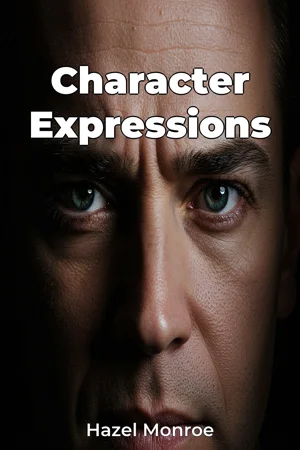
Have you ever wondered how a simple line can instantly communicate sadness, joy, or anger in a comic book character? "Character Expressions" delves into the nuanced art of conveying emotions through subtle adjustments in facial features within the visual storytelling medium of comics. This book explores how the strategic manipulation of eyes, eyebrows, and mouths forms a visual language crucial for effective character design and narrative impact. The core of this exploration focuses on three key areas: detailed anatomical breakdowns of facial expressions, the psychology of emotion as it relates to visual representation, and the practical application of these principles in comic art. Understanding these components allows artists to connect with their audience on a deeper emotional level, making stories more engaging and believable. The book provides a historical context, tracing the evolution of facial expression representation in art, from early caricature to modern comic book styles. Although no formal artistic training is required, a basic understanding of art fundamentals, such as line weight and perspective, will enhance the reader's comprehension. The central argument of "Character Expressions" is that a profound understanding of facial anatomy and emotional psychology, combined with practical artistic techniques, empowers artists to craft compelling and believable characters. This is important because emotive characters drive narratives and foster audience investment, leading to more successful and impactful visual stories. The book is structured to gradually build knowledge and skills. It begins with an introduction to the fundamental principles of facial anatomy and how different muscle groups contribute to various expressions. It then examines the psychological underpinnings of emotions, exploring how universal feelings are visually manifested through the face. The bulk of the book is dedicated to practical exercises and case studies, focusing on eyes, eyebrows, and mouths individually, and in combination. Each chapter contains step-by-step guides and visual examples demonstrating how to achieve a wide range of emotions. The book culminates in a series of advanced techniques for creating unique and memorable character expressions, along with discussions of common pitfalls and troubleshooting tips. The evidence presented is based on a combination of anatomical studies, psychological research on emotional expression, and analysis of successful character designs in comics history. A unique aspect of the research involves eye-tracking studies to determine how viewers perceive and interpret subtle changes in facial features. "Character Expressions" also draws connections to other fields, including psychology, communication studies, and animation. For example, psychological theories of emotional intelligence inform the discussion of how to create empathetic characters. Connections to animation principles illustrate how static images can imply movement and further enhance emotional impact. This book offers a fresh perspective by combining artistic technique with scientific understanding. It moves beyond simple tutorials to provide a deep dive into the "why" and "how" of character expressions. The tone is instructive yet approachable, balancing technical information with practical advice and inspiration. The book is aimed at aspiring and established comic artists, illustrators, character designers, and anyone interested in visual storytelling. It serves as a valuable resource for educators teaching visual arts and provides a deeper understanding of visual communication for students of psychology and communication. As a design book, "Character Expressions" adheres to the conventions of visual clarity and practical application. It is filled with high-quality illustrations, diagrams, and examples to support the text. The scope is deliberately focused on eyes, eyebrows, and mouths to allow for an in-depth exploration of these critical features. While it acknowledges the importance of other facial features and body language, those elements lie outside the primary focus of this book. The techniques presented in "Character Expressions" have real-world applications in a variety of fields, from comic book creation and video game design to marketing and advertising. By understanding how to effectively communicate emotions through visual means, readers can create more engaging and persuasive content. While the universality of basic emotions is generally accepted, there are ongoing debates about cultural variations in emotional expression. The book acknowledges these nuances and encourages readers to consider the cultural context of their characters. "Character Expressions" is not intended to be a definitive guide to all aspects of character design, but rather a focused exploration of the expressive power of the face.
Have you ever wondered how a simple line can instantly communicate sadness, joy, or anger in a comic book character? "Character Expressions" delves into the nuanced art of conveying emotions through subtle adjustments in facial features within the visual storytelling medium of comics. This book explores how the strategic manipulation of eyes, eyebrows, and mouths forms a visual language crucial for effective character design and narrative impact. The core of this exploration focuses on three key areas: detailed anatomical breakdowns of facial expressions, the psychology of emotion as it relates to visual representation, and the practical application of these principles in comic art. Understanding these components allows artists to connect with their audience on a deeper emotional level, making stories more engaging and believable. The book provides a historical context, tracing the evolution of facial expression representation in art, from early caricature to modern comic book styles. Although no formal artistic training is required, a basic understanding of art fundamentals, such as line weight and perspective, will enhance the reader's comprehension. The central argument of "Character Expressions" is that a profound understanding of facial anatomy and emotional psychology, combined with practical artistic techniques, empowers artists to craft compelling and believable characters. This is important because emotive characters drive narratives and foster audience investment, leading to more successful and impactful visual stories. The book is structured to gradually build knowledge and skills. It begins with an introduction to the fundamental principles of facial anatomy and how different muscle groups contribute to various expressions. It then examines the psychological underpinnings of emotions, exploring how universal feelings are visually manifested through the face. The bulk of the book is dedicated to practical exercises and case studies, focusing on eyes, eyebrows, and mouths individually, and in combination. Each chapter contains step-by-step guides and visual examples demonstrating how to achieve a wide range of emotions. The book culminates in a series of advanced techniques for creating unique and memorable character expressions, along with discussions of common pitfalls and troubleshooting tips. The evidence presented is based on a combination of anatomical studies, psychological research on emotional expression, and analysis of successful character designs in comics history. A unique aspect of the research involves eye-tracking studies to determine how viewers perceive and interpret subtle changes in facial features. "Character Expressions" also draws connections to other fields, including psychology, communication studies, and animation. For example, psychological theories of emotional intelligence inform the discussion of how to create empathetic characters. Connections to animation principles illustrate how static images can imply movement and further enhance emotional impact. This book offers a fresh perspective by combining artistic technique with scientific understanding. It moves beyond simple tutorials to provide a deep dive into the "why" and "how" of character expressions. The tone is instructive yet approachable, balancing technical information with practical advice and inspiration. The book is aimed at aspiring and established comic artists, illustrators, character designers, and anyone interested in visual storytelling. It serves as a valuable resource for educators teaching visual arts and provides a deeper understanding of visual communication for students of psychology and communication. As a design book, "Character Expressions" adheres to the conventions of visual clarity and practical application. It is filled with high-quality illustrations, diagrams, and examples to support the text. The scope is deliberately focused on eyes, eyebrows, and mouths to allow for an in-depth exploration of these critical features. While it acknowledges the importance of other facial features and body language, those elements lie outside the primary focus of this book. The techniques presented in "Character Expressions" have real-world applications in a variety of fields, from comic book creation and video game design to marketing and advertising. By understanding how to effectively communicate emotions through visual means, readers can create more engaging and persuasive content. While the universality of basic emotions is generally accepted, there are ongoing debates about cultural variations in emotional expression. The book acknowledges these nuances and encourages readers to consider the cultural context of their characters. "Character Expressions" is not intended to be a definitive guide to all aspects of character design, but rather a focused exploration of the expressive power of the face.
"Character Expressions" explores the art of conveying emotion in comic characters through facial expressions, focusing on the eyes, eyebrows, and mouth. It delves into how subtle changes in these features communicate a range of feelings, a crucial element in visual storytelling. The book uniquely blends anatomical understanding with emotional psychology, enhancing character design and narrative impact. For instance, manipulating eyebrows can instantly signal surprise or anger. The book builds from fundamental principles of facial anatomy to the psychological basis of emotions, offering practical exercises and case studies. It traces the evolution of facial expressions in art, providing historical context. Readers will discover how understanding the anatomy behind a smile or a frown empowers artists to create compelling, believable characters, essential for engaging audiences. The book uses a step-by-step approach, dedicating chapters to eyes, eyebrows, and mouths, culminating in advanced techniques for unique character expressions. This design-focused approach provides aspiring and established artists with valuable insights into visual communication, applicable across various fields from comic books to advertising.
Book Details
ISBN
9788235296085
Publisher
Publifye AS
Your Licenses
You don't own any licenses for this book
Purchase a license below to unlock this book and download the EPUB.
Purchase License
Select a tier to unlock this book
Need bulk licensing?
Contact us for enterprise agreements.