
About This Book
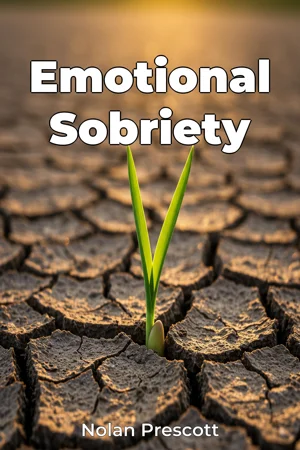
Are you tired of the revolving door of addiction treatment, seeking lasting freedom from relapse? "Emotional Sobriety" offers a path beyond mere abstinence, delving into the crucial inner work necessary for sustained recovery. This book explores the interconnected roles of emotional mastery, resilience building, and self-awareness cultivation in preventing relapse, transforming the recovery process from a battle against cravings into a journey of personal growth. We will unpack emotional sobriety, a state of being where individuals can navigate life’s inevitable challenges without resorting to addictive behaviors. Emotional sobriety shifts the focus from simply avoiding substances to managing and understanding one's emotional landscape. This is particularly important because unresolved or poorly managed emotions are frequently triggers for relapse. We'll also examine resilience. This is the capacity to recover quickly from difficulties. Resilience is essential for navigating the setbacks and stresses inherent in recovery. Finally, we will explore self-awareness. Understanding one's own triggers, patterns, and emotional responses is a cornerstone of relapse prevention. This level of insight allows for proactive management of potential pitfalls. The book's central argument is that true and lasting sobriety requires more than just physical abstinence. It demands a profound internal shift characterized by emotional intelligence, robust resilience, and deep self-understanding. This perspective moves away from a purely behavioral model of addiction towards a more holistic approach that acknowledges the complex interplay of emotions, thoughts, and behaviors in the recovery process. The historical context of addiction treatment, which often prioritized behavioral modification over emotional processing, will be discussed, highlighting the need for a more comprehensive approach. The book is structured to guide readers through a transformative process. First, we introduce the core concepts of emotional mastery, resilience, and self-awareness, defining each in the context of addiction recovery. Then the book delves into practical strategies for developing these skills. Major sections include: (1) Understanding Your Emotional Triggers: Identifying and managing the emotional roots of addictive behaviors. (2) Building Resilience in Recovery: Developing coping mechanisms to navigate stress and setbacks without relapsing. (3) Cultivating Self-Awareness: Techniques for understanding personal patterns and making conscious choices. The book culminates by providing real-world applications and strategies for integrating these principles into daily life, reinforcing long-term sobriety. The book incorporates a variety of evidence, including case studies, clinical research, and personal narratives to support its arguments. We will draw on findings from psychology, neuroscience, and addiction studies to provide a well-rounded perspective. Methodologies from cognitive behavioral therapy (CBT), dialectical behavior therapy (DBT), and mindfulness-based interventions will be explored. "Emotional Sobriety" connects to several other fields, including: mindfulness and meditation practices to enhance self-awareness; cognitive psychology and dialectical behavior therapy to manage emotions; and stress management techniques to build resilience. These interdisciplinary connections will enhance the book's argument by providing a more comprehensive and evidence-based approach to recovery. This book offers a unique perspective by emphasizing the individual's inner journey as the key to sustained recovery, moving beyond traditional, externally focused approaches. The tone is encouraging and accessible, avoiding jargon while maintaining scientific rigor. The target audience includes individuals in recovery from addiction, therapists and counselors working in the addiction field, and anyone seeking a deeper understanding of emotional regulation and personal growth. Readers will find value in the practical tools and strategies for building emotional resilience and achieving long-term sobriety. As a self-help book grounded in psychological principles, "Emotional Sobriety" aims to provide actionable advice backed by evidence. The scope is intentionally focused on the emotional and psychological aspects of relapse prevention, acknowledging that other factors, such as social support and medication, also play a role. The principles outlined can be applied to everyday life, enabling readers to manage stress, improve relationships, and maintain a sense of well-being. The book addresses the ongoing debate within the addiction field regarding the relative importance of behavioral versus emotional factors in recovery. By highlighting the crucial role of emotional sobriety, this book contributes to a more nuanced and effective approach to addiction treatment.
Are you tired of the revolving door of addiction treatment, seeking lasting freedom from relapse? "Emotional Sobriety" offers a path beyond mere abstinence, delving into the crucial inner work necessary for sustained recovery. This book explores the interconnected roles of emotional mastery, resilience building, and self-awareness cultivation in preventing relapse, transforming the recovery process from a battle against cravings into a journey of personal growth. We will unpack emotional sobriety, a state of being where individuals can navigate life’s inevitable challenges without resorting to addictive behaviors. Emotional sobriety shifts the focus from simply avoiding substances to managing and understanding one's emotional landscape. This is particularly important because unresolved or poorly managed emotions are frequently triggers for relapse. We'll also examine resilience. This is the capacity to recover quickly from difficulties. Resilience is essential for navigating the setbacks and stresses inherent in recovery. Finally, we will explore self-awareness. Understanding one's own triggers, patterns, and emotional responses is a cornerstone of relapse prevention. This level of insight allows for proactive management of potential pitfalls. The book's central argument is that true and lasting sobriety requires more than just physical abstinence. It demands a profound internal shift characterized by emotional intelligence, robust resilience, and deep self-understanding. This perspective moves away from a purely behavioral model of addiction towards a more holistic approach that acknowledges the complex interplay of emotions, thoughts, and behaviors in the recovery process. The historical context of addiction treatment, which often prioritized behavioral modification over emotional processing, will be discussed, highlighting the need for a more comprehensive approach. The book is structured to guide readers through a transformative process. First, we introduce the core concepts of emotional mastery, resilience, and self-awareness, defining each in the context of addiction recovery. Then the book delves into practical strategies for developing these skills. Major sections include: (1) Understanding Your Emotional Triggers: Identifying and managing the emotional roots of addictive behaviors. (2) Building Resilience in Recovery: Developing coping mechanisms to navigate stress and setbacks without relapsing. (3) Cultivating Self-Awareness: Techniques for understanding personal patterns and making conscious choices. The book culminates by providing real-world applications and strategies for integrating these principles into daily life, reinforcing long-term sobriety. The book incorporates a variety of evidence, including case studies, clinical research, and personal narratives to support its arguments. We will draw on findings from psychology, neuroscience, and addiction studies to provide a well-rounded perspective. Methodologies from cognitive behavioral therapy (CBT), dialectical behavior therapy (DBT), and mindfulness-based interventions will be explored. "Emotional Sobriety" connects to several other fields, including: mindfulness and meditation practices to enhance self-awareness; cognitive psychology and dialectical behavior therapy to manage emotions; and stress management techniques to build resilience. These interdisciplinary connections will enhance the book's argument by providing a more comprehensive and evidence-based approach to recovery. This book offers a unique perspective by emphasizing the individual's inner journey as the key to sustained recovery, moving beyond traditional, externally focused approaches. The tone is encouraging and accessible, avoiding jargon while maintaining scientific rigor. The target audience includes individuals in recovery from addiction, therapists and counselors working in the addiction field, and anyone seeking a deeper understanding of emotional regulation and personal growth. Readers will find value in the practical tools and strategies for building emotional resilience and achieving long-term sobriety. As a self-help book grounded in psychological principles, "Emotional Sobriety" aims to provide actionable advice backed by evidence. The scope is intentionally focused on the emotional and psychological aspects of relapse prevention, acknowledging that other factors, such as social support and medication, also play a role. The principles outlined can be applied to everyday life, enabling readers to manage stress, improve relationships, and maintain a sense of well-being. The book addresses the ongoing debate within the addiction field regarding the relative importance of behavioral versus emotional factors in recovery. By highlighting the crucial role of emotional sobriety, this book contributes to a more nuanced and effective approach to addiction treatment.
"Emotional Sobriety" offers a fresh perspective on addiction recovery, emphasizing the critical role of emotional mastery, resilience, and self-awareness in preventing relapse. It moves beyond the traditional focus on mere abstinence, arguing that true sobriety requires a profound understanding and management of one's emotional landscape. The book highlights that poorly managed emotions often act as triggers for addictive behaviors, making emotional regulation a cornerstone of lasting recovery. Did you know that resilience, the ability to bounce back from difficulties, is essential for navigating the inevitable setbacks during recovery? This self-help guide takes a holistic approach, drawing on cognitive behavioral therapy, dialectical behavior therapy, and mindfulness techniques. It explores how cultivating self-awareness allows individuals to proactively manage potential pitfalls. The book progresses by first introducing core concepts, then delving into practical strategies to develop emotional mastery, resilience, and self-awareness. Each section helps readers understand their emotional triggers, build resilience to navigate stress, and cultivate self-awareness to make conscious choices, ultimately reinforcing long-term sobriety. By incorporating case studies, clinical research, and personal narratives, "Emotional Sobriety" provides actionable advice grounded in psychological principles. It uniquely emphasizes the individual's inner journey, offering practical tools for managing stress, improving relationships, and maintaining well-being, making it a valuable resource for anyone seeking personal growth and sustained recovery.
Book Details
ISBN
9788235295941
Publisher
Publifye AS
Your Licenses
You don't own any licenses for this book
Purchase a license below to unlock this book and download the EPUB.
Purchase License
Select a tier to unlock this book
Need bulk licensing?
Contact us for enterprise agreements.