
About This Book
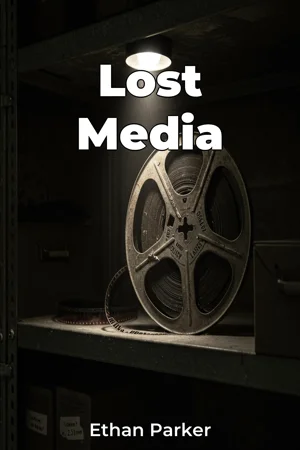
What happens when films vanish, television episodes are erased, and entire creative projects fade from public memory? "Lost Media" delves into the captivating world of forgotten entertainment, exploring the reasons behind the disappearance of various forms of media and the cultural impact of these erasures. We will investigate not only the specific instances of lost films and television but also the broader implications for our understanding of history, memory, and the evolution of popular culture. This book examines three core themes within the realm of lost media. First, we analyze the *reasons* behind media loss, ranging from accidental destruction and studio negligence to deliberate suppression and copyright disputes. Second, we explore the *impact* of lost media on cultural memory, investigating how the absence of certain films or episodes shapes our understanding of historical periods, artistic movements, and societal values. Third, we consider the *efforts* to recover and preserve lost media, and the ethical complexities involved in these recovery attempts. These topics are important because they challenge our assumptions about the permanence of media and reveal the fragile nature of cultural heritage. The history of film and television is inherently tied to technological advancements and evolving business practices. From the nitrate film fires of the early 20th century to the data corruption prevalent in digital archives today, the very mediums used to create and store audiovisual content are susceptible to degradation and loss. Furthermore, censorship, legal battles, and changing audience tastes contribute to the deliberate or unintentional disappearance of media. A basic understanding of film history, archival practices, and copyright law will enhance the reader's appreciation of the challenges and complexities involved in preserving media heritage. The central argument of "Lost Media" is that the phenomenon of media loss is not merely a series of isolated incidents but a significant cultural process that profoundly affects how we understand and interact with the past. By examining the causes and consequences of lost media, we can gain a deeper appreciation for the importance of preservation efforts and the ongoing need to safeguard our cultural heritage. The book will proceed as follows: 1. Introduction: Defining "lost media" and establishing its significance. 2. Causes of Media Loss: Exploring the various factors that contribute to the disappearance of films and television episodes, including archival negligence, deliberate destruction, and technological obsolescence. 3. Case Studies: Examining specific examples of lost media, such as the missing episodes of "Doctor Who," the original cut of Orson Welles' "The Magnificent Ambersons," and the unreleased film "The Day the Clown Cried." Each case study will analyze the circumstances surrounding the loss and the impact on popular culture. 4. Recovery and Preservation: Investigating the efforts to recover and preserve lost media, including the role of archives, collectors, and technological advancements. 5. Conclusion: Summarizing the key findings and discussing the implications of media loss for the future of cultural heritage. Our research relies on a variety of sources, including archival records, studio documents, interviews with film and television professionals, and online databases dedicated to cataloging lost media. We also draw on academic literature in the fields of film studies, television studies, history, and archival science. "Lost Media" connects to several other fields, including history (by examining how media loss affects our understanding of the past), sociology (by exploring the social and cultural factors that contribute to media loss), and law (by analyzing the legal issues surrounding copyright and preservation). This book stands apart by offering a comprehensive and interdisciplinary analysis of lost media, moving beyond anecdotal accounts to explore the underlying causes and consequences of this phenomenon. The tone of the book is informative and engaging, blending scholarly rigor with accessible prose. "Lost Media" is intended for film buffs, television enthusiasts, media scholars, historians, and anyone interested in the preservation of cultural heritage. This book will provide readers with a deeper understanding of the challenges and complexities involved in preserving our shared media history. As a work in film and television history, the book adheres to standards of accuracy and evidence-based analysis. We clearly distinguish between factual information and speculative claims. The book focuses primarily on American and British film and television, with occasional references to international examples. The scope is limited to audiovisual media, excluding other forms of lost media such as literature or music. The information in this book can be applied to various practical contexts, such as supporting archival institutions, advocating for preservation policies, and raising awareness about the importance of media literacy. The field of media preservation is not without its controversies. Debates exist regarding the ethical implications of restoring or altering lost media, the role of private collectors in preservation efforts, and the allocation of resources for different types of media. "Lost Media" will explore these controversies, presenting multiple perspectives and encouraging critical thinking.
What happens when films vanish, television episodes are erased, and entire creative projects fade from public memory? "Lost Media" delves into the captivating world of forgotten entertainment, exploring the reasons behind the disappearance of various forms of media and the cultural impact of these erasures. We will investigate not only the specific instances of lost films and television but also the broader implications for our understanding of history, memory, and the evolution of popular culture. This book examines three core themes within the realm of lost media. First, we analyze the *reasons* behind media loss, ranging from accidental destruction and studio negligence to deliberate suppression and copyright disputes. Second, we explore the *impact* of lost media on cultural memory, investigating how the absence of certain films or episodes shapes our understanding of historical periods, artistic movements, and societal values. Third, we consider the *efforts* to recover and preserve lost media, and the ethical complexities involved in these recovery attempts. These topics are important because they challenge our assumptions about the permanence of media and reveal the fragile nature of cultural heritage. The history of film and television is inherently tied to technological advancements and evolving business practices. From the nitrate film fires of the early 20th century to the data corruption prevalent in digital archives today, the very mediums used to create and store audiovisual content are susceptible to degradation and loss. Furthermore, censorship, legal battles, and changing audience tastes contribute to the deliberate or unintentional disappearance of media. A basic understanding of film history, archival practices, and copyright law will enhance the reader's appreciation of the challenges and complexities involved in preserving media heritage. The central argument of "Lost Media" is that the phenomenon of media loss is not merely a series of isolated incidents but a significant cultural process that profoundly affects how we understand and interact with the past. By examining the causes and consequences of lost media, we can gain a deeper appreciation for the importance of preservation efforts and the ongoing need to safeguard our cultural heritage. The book will proceed as follows: 1. Introduction: Defining "lost media" and establishing its significance. 2. Causes of Media Loss: Exploring the various factors that contribute to the disappearance of films and television episodes, including archival negligence, deliberate destruction, and technological obsolescence. 3. Case Studies: Examining specific examples of lost media, such as the missing episodes of "Doctor Who," the original cut of Orson Welles' "The Magnificent Ambersons," and the unreleased film "The Day the Clown Cried." Each case study will analyze the circumstances surrounding the loss and the impact on popular culture. 4. Recovery and Preservation: Investigating the efforts to recover and preserve lost media, including the role of archives, collectors, and technological advancements. 5. Conclusion: Summarizing the key findings and discussing the implications of media loss for the future of cultural heritage. Our research relies on a variety of sources, including archival records, studio documents, interviews with film and television professionals, and online databases dedicated to cataloging lost media. We also draw on academic literature in the fields of film studies, television studies, history, and archival science. "Lost Media" connects to several other fields, including history (by examining how media loss affects our understanding of the past), sociology (by exploring the social and cultural factors that contribute to media loss), and law (by analyzing the legal issues surrounding copyright and preservation). This book stands apart by offering a comprehensive and interdisciplinary analysis of lost media, moving beyond anecdotal accounts to explore the underlying causes and consequences of this phenomenon. The tone of the book is informative and engaging, blending scholarly rigor with accessible prose. "Lost Media" is intended for film buffs, television enthusiasts, media scholars, historians, and anyone interested in the preservation of cultural heritage. This book will provide readers with a deeper understanding of the challenges and complexities involved in preserving our shared media history. As a work in film and television history, the book adheres to standards of accuracy and evidence-based analysis. We clearly distinguish between factual information and speculative claims. The book focuses primarily on American and British film and television, with occasional references to international examples. The scope is limited to audiovisual media, excluding other forms of lost media such as literature or music. The information in this book can be applied to various practical contexts, such as supporting archival institutions, advocating for preservation policies, and raising awareness about the importance of media literacy. The field of media preservation is not without its controversies. Debates exist regarding the ethical implications of restoring or altering lost media, the role of private collectors in preservation efforts, and the allocation of resources for different types of media. "Lost Media" will explore these controversies, presenting multiple perspectives and encouraging critical thinking.
"Lost Media" explores the fascinating phenomenon of films and television shows that have vanished from public access, examining why these disappearances occur and their broader cultural significance. The book highlights how factors like accidental destruction, studio negligence, and even deliberate suppression contribute to media loss, impacting our collective memory and understanding of history. For instance, the nitrate film fires of the early 20th century underscore the fragility of early film archives, while copyright disputes can lead to the intentional withholding of content. The book uniquely investigates the impact of lost media on cultural heritage and the efforts to recover and preserve these forgotten pieces of entertainment. It analyzes specific cases, such as missing episodes of "Doctor Who" or the original cut of "The Magnificent Ambersons," to illustrate the consequences of media loss on popular culture. It progresses by first defining lost media, then delving into the causes, examining detailed case studies, and finally discussing recovery and preservation efforts, ultimately emphasizing the importance of safeguarding our shared media history.
Book Details
ISBN
9788235295934
Publisher
Publifye AS
Your Licenses
You don't own any licenses for this book
Purchase a license below to unlock this book and download the EPUB.
Purchase License
Select a tier to unlock this book
Need bulk licensing?
Contact us for enterprise agreements.