
About This Book
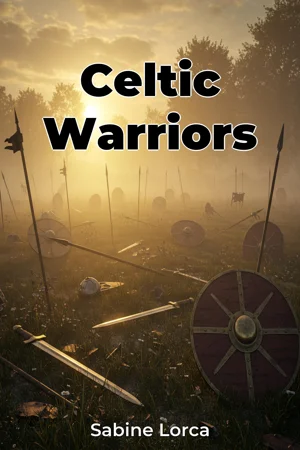
Why did the Celts, with their decentralized tribal structure, inspire such terror and respect throughout the ancient world? "Celtic Warriors" delves into the heart of Celtic society, exploring their sophisticated weaponry, innovative battle tactics, and deeply ingrained warrior culture that made them a force to be reckoned with from the British Isles to the European mainland. This book examines not just the tools of war, but the social and spiritual frameworks that shaped the Celtic warrior ethos. The book is structured around three core themes: firstly, the evolution and diversity of Celtic weaponry; secondly, the complex strategies they employed in various conflicts; and thirdly, the profound impact of warrior culture on Celtic society itself. These topics are vital because understanding Celtic military prowess requires more than just listing their swords and spears; it necessitates grasping the cultural context that fueled their martial spirit and allowed them to challenge established powers like Rome. To understand the Celts, this book first provides a background on their emergence and expansion across Europe, setting the stage with a review of archaeological evidence and early written accounts. We will examine the archaeological record, including grave goods and battle sites, and analyze classical texts that offer perspectives – often biased – on Celtic warfare. "Celtic Warriors" argues that the Celtic military advantage stemmed not only from their individual bravery but also from a flexible approach to warfare influenced by their tribal social structure and religious beliefs. This argument is crucial because it challenges the stereotypical portrayal of Celts as disorganized barbarians, revealing a more nuanced and strategic approach to conflict. The book unfolds as follows: it begins by introducing the origins and spread of Celtic culture, followed by a detailed examination of Celtic arms and armor, including swords, spears, shields, and chariots. Subsequent chapters analyze Celtic battle tactics, illustrating their adaptability in engagements against various enemies, including the Romans and Germanic tribes. This section will use case studies of specific battles, like the Battle of Allia, to show how Celtic tactics worked (or didn't work). The book then explores the Celtic warrior ethos, focusing on initiation rites, social status, and the role of religion in shaping their martial identity. Finally, the concluding chapter connects Celtic warfare to broader trends in ancient military history, examining their legacy and influence on later cultures. The analysis will be supported by archaeological finds, including weapon caches and fortifications, as well as interpretations of classical sources like Caesar's "Gallic Wars" and the writings of Tacitus. The book also considers recent scholarship on Celtic material culture and social structures, offering a balanced and up-to-date perspective. This exploration of Celtic warfare connects to several interdisciplinary fields, including archaeology, anthropology, and comparative religion. Archaeology provides the material evidence for understanding Celtic weaponry and fortifications, while anthropology offers insights into their social organization and ritual practices. Comparative religion helps to illuminate the spiritual beliefs that motivated and shaped Celtic warriors. What sets this book apart is its holistic approach, integrating archaeological evidence with textual analysis and anthropological insights to reconstruct a comprehensive picture of Celtic warfare. It moves beyond a simple recounting of battles to examine the cultural and social factors that shaped their military capabilities. Written in an accessible yet scholarly style, "Celtic Warriors" is designed for anyone interested in ancient history, military history, or Celtic culture. It offers valuable insights for students, researchers, and general readers seeking a deeper understanding of this fascinating and often misunderstood civilization. As a work of military history, this book focuses primarily on the martial aspects of Celtic culture, acknowledging that other aspects of Celtic life, such as art and agriculture, are addressed only insofar as they relate to warfare. While the book covers a broad geographical area and chronological period, it focuses primarily on the La Tène period (roughly 450 BCE to 1st century CE), the era of greatest Celtic expansion and military activity. "Celtic Warriors" addresses ongoing debates about the nature and extent of Celtic influence in ancient Europe. It also engages with controversies surrounding the interpretation of classical sources, particularly their biases and limitations in representing Celtic culture.
Why did the Celts, with their decentralized tribal structure, inspire such terror and respect throughout the ancient world? "Celtic Warriors" delves into the heart of Celtic society, exploring their sophisticated weaponry, innovative battle tactics, and deeply ingrained warrior culture that made them a force to be reckoned with from the British Isles to the European mainland. This book examines not just the tools of war, but the social and spiritual frameworks that shaped the Celtic warrior ethos. The book is structured around three core themes: firstly, the evolution and diversity of Celtic weaponry; secondly, the complex strategies they employed in various conflicts; and thirdly, the profound impact of warrior culture on Celtic society itself. These topics are vital because understanding Celtic military prowess requires more than just listing their swords and spears; it necessitates grasping the cultural context that fueled their martial spirit and allowed them to challenge established powers like Rome. To understand the Celts, this book first provides a background on their emergence and expansion across Europe, setting the stage with a review of archaeological evidence and early written accounts. We will examine the archaeological record, including grave goods and battle sites, and analyze classical texts that offer perspectives – often biased – on Celtic warfare. "Celtic Warriors" argues that the Celtic military advantage stemmed not only from their individual bravery but also from a flexible approach to warfare influenced by their tribal social structure and religious beliefs. This argument is crucial because it challenges the stereotypical portrayal of Celts as disorganized barbarians, revealing a more nuanced and strategic approach to conflict. The book unfolds as follows: it begins by introducing the origins and spread of Celtic culture, followed by a detailed examination of Celtic arms and armor, including swords, spears, shields, and chariots. Subsequent chapters analyze Celtic battle tactics, illustrating their adaptability in engagements against various enemies, including the Romans and Germanic tribes. This section will use case studies of specific battles, like the Battle of Allia, to show how Celtic tactics worked (or didn't work). The book then explores the Celtic warrior ethos, focusing on initiation rites, social status, and the role of religion in shaping their martial identity. Finally, the concluding chapter connects Celtic warfare to broader trends in ancient military history, examining their legacy and influence on later cultures. The analysis will be supported by archaeological finds, including weapon caches and fortifications, as well as interpretations of classical sources like Caesar's "Gallic Wars" and the writings of Tacitus. The book also considers recent scholarship on Celtic material culture and social structures, offering a balanced and up-to-date perspective. This exploration of Celtic warfare connects to several interdisciplinary fields, including archaeology, anthropology, and comparative religion. Archaeology provides the material evidence for understanding Celtic weaponry and fortifications, while anthropology offers insights into their social organization and ritual practices. Comparative religion helps to illuminate the spiritual beliefs that motivated and shaped Celtic warriors. What sets this book apart is its holistic approach, integrating archaeological evidence with textual analysis and anthropological insights to reconstruct a comprehensive picture of Celtic warfare. It moves beyond a simple recounting of battles to examine the cultural and social factors that shaped their military capabilities. Written in an accessible yet scholarly style, "Celtic Warriors" is designed for anyone interested in ancient history, military history, or Celtic culture. It offers valuable insights for students, researchers, and general readers seeking a deeper understanding of this fascinating and often misunderstood civilization. As a work of military history, this book focuses primarily on the martial aspects of Celtic culture, acknowledging that other aspects of Celtic life, such as art and agriculture, are addressed only insofar as they relate to warfare. While the book covers a broad geographical area and chronological period, it focuses primarily on the La Tène period (roughly 450 BCE to 1st century CE), the era of greatest Celtic expansion and military activity. "Celtic Warriors" addresses ongoing debates about the nature and extent of Celtic influence in ancient Europe. It also engages with controversies surrounding the interpretation of classical sources, particularly their biases and limitations in representing Celtic culture.
"Celtic Warriors" explores the military history of the Celts, revealing how their warrior culture shaped their society and influenced warfare from the British Isles to mainland Europe. This book moves beyond stereotypical portrayals to examine the sophisticated weaponry, innovative battle tactics, and the profound warrior ethos that defined them. Readers will discover how the decentralized tribal structure of the Celts allowed for a flexible approach to warfare, challenging established powers like Rome. Their military prowess wasn't just about individual bravery; it was deeply rooted in their social structure and religious beliefs. The book presents its analysis through three core themes: Celtic weaponry, battle strategies, and the impact of warrior culture on Celtic society. By integrating archaeological evidence with textual analysis and anthropological insights, "Celtic Warriors" reconstructs a comprehensive picture of Celtic warfare. For example, archaeological finds like weapon caches shed light on their arms, while classical texts, though often biased, offer perspectives on Celtic warfare. Unfolding chapter by chapter, the book begins with the origins and spread of Celtic culture, progresses to detailed examinations of their arms and armor, and then analyzes their battle tactics in specific engagements, such as the Battle of Allia. Finally, it explores the Celtic warrior ethos and connects Celtic warfare to broader trends in ancient military history, providing a valuable resource for students, researchers, and anyone interested in ancient or military history.
Book Details
ISBN
9788235295910
Publisher
Publifye AS
Your Licenses
You don't own any licenses for this book
Purchase a license below to unlock this book and download the EPUB.
Purchase License
Select a tier to unlock this book
Need bulk licensing?
Contact us for enterprise agreements.