
About This Book
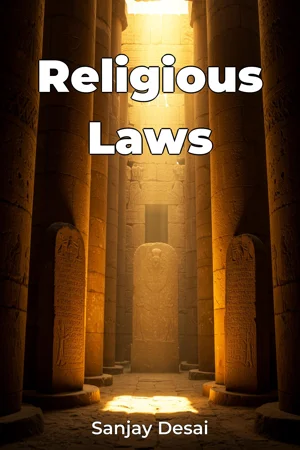
What if the very laws that govern our modern societies have roots in ancient religious doctrines? "Religious Laws" explores the intricate world of sacred laws across various religions, examining their historical development and their enduring influence on cultures, traditions, and individual lives. This book delves into how these laws, often perceived as archaic or solely spiritual, continue to shape ethical frameworks, legal systems, and social norms worldwide. The book's core lies in three principal themes: the origins and evolution of religious laws, the comparative analysis of legal principles across different faiths, and the impact of these laws on contemporary society. We will investigate the historical contexts in which religious laws emerged, tracing their development from early scriptures and traditions to codified systems. The significance of these topics is paramount as they provide insight into the foundations of morality, governance, and community structure within diverse cultures. Understanding religious laws offers a crucial lens through which to analyze historical events, cultural practices, and ongoing social debates. A basic understanding of world religions and legal history will be beneficial, but not strictly required. We will provide detailed explanations and contextual information throughout the book. The central argument of "Religious Laws" is that religious legal systems, while often viewed as separate from secular law, have had a profound and lasting effect on the development of legal and ethical principles globally. By examining the origins, evolution, and application of these laws, we aim to demonstrate their continued relevance and influence in the modern world. The book is structured in three parts. First, we introduce the concept of religious law and its role in shaping civilizations, providing a clear definition and exploring its purpose. Second, we examine specific examples of religious laws from several major world religions, detailing their historical context, core tenets, and interpretations. This will include sections focusing on Abrahamic religions (Judaism, Christianity, and Islam), Eastern religions (Hinduism, Buddhism, and Confucianism), and other significant belief systems. Finally, the book culminates in an analysis of how religious laws intersect with modern legal systems, ethical debates, and social issues, discussing contemporary issues such as family law, bioethics, and human rights. To support our arguments, the book will draw upon a range of historical texts, legal codes, theological treatises, and sociological studies. We will analyze primary source documents, such as religious scriptures and legal commentaries, alongside secondary scholarly interpretations. "Religious Laws" also connects to other fields, most notably history, law, and sociology. By exploring the historical context of religious laws, we provide a deeper understanding of societal evolution. Connections to legal studies will illuminate how religious principles have shaped legal codes and judicial systems. Furthermore, we will explore the sociological aspects of religious law, analyzing their impact on social structures, norms, and behaviors. This book offers a unique comparative perspective, juxtaposing legal principles across different religions and exploring their shared themes and divergent interpretations. This approach enables readers to gain a broader understanding of the role of religion in shaping human societies. The writing style is academic yet accessible, designed to engage both scholars and general readers interested in the intersection of religion, law, and history. The target audience includes students of religion, history, law, and sociology, as well as anyone interested in understanding the diverse influences that shape our world. As a work of non-fiction in the fields of religion and history, "Religious Laws" strives for objectivity and accuracy. We present diverse perspectives and interpretations while adhering to scholarly standards of evidence and argumentation. The scope of the book is broad, covering a range of religions and historical periods, but it is not exhaustive. We focus on those religions and legal systems that have had a significant global impact, acknowledging that numerous other traditions exist. The knowledge gained from this book can be applied practically by readers to better understand current legal and ethical debates, to engage in interfaith dialogue, and to analyze the role of religion in shaping social policy. The book will delve into ongoing discussions regarding the role of religious law in secular societies, particularly concerning issues like religious freedom, family law, and ethical dilemmas.
What if the very laws that govern our modern societies have roots in ancient religious doctrines? "Religious Laws" explores the intricate world of sacred laws across various religions, examining their historical development and their enduring influence on cultures, traditions, and individual lives. This book delves into how these laws, often perceived as archaic or solely spiritual, continue to shape ethical frameworks, legal systems, and social norms worldwide. The book's core lies in three principal themes: the origins and evolution of religious laws, the comparative analysis of legal principles across different faiths, and the impact of these laws on contemporary society. We will investigate the historical contexts in which religious laws emerged, tracing their development from early scriptures and traditions to codified systems. The significance of these topics is paramount as they provide insight into the foundations of morality, governance, and community structure within diverse cultures. Understanding religious laws offers a crucial lens through which to analyze historical events, cultural practices, and ongoing social debates. A basic understanding of world religions and legal history will be beneficial, but not strictly required. We will provide detailed explanations and contextual information throughout the book. The central argument of "Religious Laws" is that religious legal systems, while often viewed as separate from secular law, have had a profound and lasting effect on the development of legal and ethical principles globally. By examining the origins, evolution, and application of these laws, we aim to demonstrate their continued relevance and influence in the modern world. The book is structured in three parts. First, we introduce the concept of religious law and its role in shaping civilizations, providing a clear definition and exploring its purpose. Second, we examine specific examples of religious laws from several major world religions, detailing their historical context, core tenets, and interpretations. This will include sections focusing on Abrahamic religions (Judaism, Christianity, and Islam), Eastern religions (Hinduism, Buddhism, and Confucianism), and other significant belief systems. Finally, the book culminates in an analysis of how religious laws intersect with modern legal systems, ethical debates, and social issues, discussing contemporary issues such as family law, bioethics, and human rights. To support our arguments, the book will draw upon a range of historical texts, legal codes, theological treatises, and sociological studies. We will analyze primary source documents, such as religious scriptures and legal commentaries, alongside secondary scholarly interpretations. "Religious Laws" also connects to other fields, most notably history, law, and sociology. By exploring the historical context of religious laws, we provide a deeper understanding of societal evolution. Connections to legal studies will illuminate how religious principles have shaped legal codes and judicial systems. Furthermore, we will explore the sociological aspects of religious law, analyzing their impact on social structures, norms, and behaviors. This book offers a unique comparative perspective, juxtaposing legal principles across different religions and exploring their shared themes and divergent interpretations. This approach enables readers to gain a broader understanding of the role of religion in shaping human societies. The writing style is academic yet accessible, designed to engage both scholars and general readers interested in the intersection of religion, law, and history. The target audience includes students of religion, history, law, and sociology, as well as anyone interested in understanding the diverse influences that shape our world. As a work of non-fiction in the fields of religion and history, "Religious Laws" strives for objectivity and accuracy. We present diverse perspectives and interpretations while adhering to scholarly standards of evidence and argumentation. The scope of the book is broad, covering a range of religions and historical periods, but it is not exhaustive. We focus on those religions and legal systems that have had a significant global impact, acknowledging that numerous other traditions exist. The knowledge gained from this book can be applied practically by readers to better understand current legal and ethical debates, to engage in interfaith dialogue, and to analyze the role of religion in shaping social policy. The book will delve into ongoing discussions regarding the role of religious law in secular societies, particularly concerning issues like religious freedom, family law, and ethical dilemmas.
"Religious Laws" explores the profound influence of sacred laws on global societies, delving into their historical roots and continued relevance. It examines how religious doctrines have shaped ethical frameworks, legal systems, and social norms, revealing that many modern laws are rooted in ancient religious principles. For example, concepts of justice and fairness found in many legal systems can be traced back to religious texts and traditions, highlighting the interconnectedness of religious and secular thought. The book adopts a comparative approach, analyzing legal principles across diverse faiths like Judaism, Christianity, and Islam, and tracing their development from early scriptures to codified systems. It demonstrates how these laws, beyond their spiritual context, have significantly impacted the development of legal and ethical principles worldwide. Structured in three parts, the book first introduces the concept of religious law, then examines specific examples from major world religions, and finally analyzes their intersection with modern legal systems and ethical debates.
Book Details
ISBN
9788235295897
Publisher
Publifye AS
Your Licenses
You don't own any licenses for this book
Purchase a license below to unlock this book and download the EPUB.
Purchase License
Select a tier to unlock this book
Need bulk licensing?
Contact us for enterprise agreements.