
About This Book
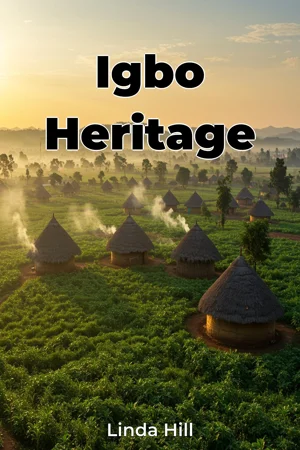
What if everything you thought you knew about pre-colonial African societies was incomplete? "Igbo Heritage" delves into the intricate history, culture, and societal structures of the Igbo people, revealing a complex civilization that flourished for centuries before European contact. This book examines the key aspects of Igbo life: their decentralized governance, vibrant trade networks, and rich cultural traditions, demonstrating their profound impact on the history and identity of Nigeria. Understanding Igbo heritage offers crucial insights into the broader narrative of African history, challenging Eurocentric perspectives and promoting a more nuanced appreciation of pre-colonial societies. This book argues that the Igbo people, through their unique socio-political institutions and economic practices, developed a resilient and adaptable civilization. "Igbo Heritage" aims to demonstrate how these features contributed significantly to the cultural mosaic of Nigeria and continue to resonate in contemporary society. The Igbo's decentralized system of governance, characterized by autonomous village communities and age-grade associations, promoted participatory decision-making and social cohesion. Their extensive trade networks, both internal and external, fostered economic prosperity and cultural exchange. Finally, their rich traditions, including elaborate rituals, artistic expressions, and oral literature, provided a framework for social order and cultural identity. The book begins by establishing the historical and geographical context of Igboland, exploring the origins and migrations of the Igbo people. It then delves into the intricacies of Igbo political organization, contrasting it with centralized models of statehood. Subsequent chapters examine Igbo economic life, tracing the development of trade routes, markets, and agricultural practices. The book also dedicates significant attention to Igbo culture, exploring religious beliefs, artistic traditions, kinship systems, and social customs. The book culminates in a discussion of the impact of colonialism on Igbo society and the subsequent struggles for independence and self-determination, analyzing how pre-colonial structures shaped post-colonial experiences. The evidence presented includes a synthesis of historical accounts, anthropological studies, archaeological findings, and oral traditions. The book also draws on a range of primary sources, including colonial records and indigenous accounts, to provide a comprehensive and nuanced understanding of Igbo heritage. The interdisciplinary approach combines history, anthropology, and archaeology to provide a holistic perspective on Igbo civilization. The book also connects to fields such as political science, examining the unique features of Igbo governance, and economics, analyzing Igbo trade networks within a broader regional context. "Igbo Heritage" provides a unique perspective by focusing on the agency and resilience of the Igbo people in shaping their own history. It challenges conventional narratives that often portray pre-colonial African societies as static or underdeveloped. The book adopts a balanced and objective tone, presenting information in a clear and accessible manner. It is intended for students, scholars, and general readers who are interested in African history, Nigerian studies, and the cultural diversity of the world. It is particularly valuable for those seeking a deeper understanding of the Igbo people and their contributions to Nigerian society. As a work of history and world history, this book adheres to standards of historical accuracy and scholarly rigor. While it provides a broad overview of Igbo heritage, it acknowledges the limitations of historical sources and the complexities of interpreting the past. For example, debates about the exact origins of the Igbo people and the precise nature of their pre-colonial political systems are addressed. Understanding Igbo approaches to community development, conflict resolution, and sustainable resource management are relevant in today’s world. Exploring these approaches can offer practical lessons for contemporary societies facing similar challenges.
What if everything you thought you knew about pre-colonial African societies was incomplete? "Igbo Heritage" delves into the intricate history, culture, and societal structures of the Igbo people, revealing a complex civilization that flourished for centuries before European contact. This book examines the key aspects of Igbo life: their decentralized governance, vibrant trade networks, and rich cultural traditions, demonstrating their profound impact on the history and identity of Nigeria. Understanding Igbo heritage offers crucial insights into the broader narrative of African history, challenging Eurocentric perspectives and promoting a more nuanced appreciation of pre-colonial societies. This book argues that the Igbo people, through their unique socio-political institutions and economic practices, developed a resilient and adaptable civilization. "Igbo Heritage" aims to demonstrate how these features contributed significantly to the cultural mosaic of Nigeria and continue to resonate in contemporary society. The Igbo's decentralized system of governance, characterized by autonomous village communities and age-grade associations, promoted participatory decision-making and social cohesion. Their extensive trade networks, both internal and external, fostered economic prosperity and cultural exchange. Finally, their rich traditions, including elaborate rituals, artistic expressions, and oral literature, provided a framework for social order and cultural identity. The book begins by establishing the historical and geographical context of Igboland, exploring the origins and migrations of the Igbo people. It then delves into the intricacies of Igbo political organization, contrasting it with centralized models of statehood. Subsequent chapters examine Igbo economic life, tracing the development of trade routes, markets, and agricultural practices. The book also dedicates significant attention to Igbo culture, exploring religious beliefs, artistic traditions, kinship systems, and social customs. The book culminates in a discussion of the impact of colonialism on Igbo society and the subsequent struggles for independence and self-determination, analyzing how pre-colonial structures shaped post-colonial experiences. The evidence presented includes a synthesis of historical accounts, anthropological studies, archaeological findings, and oral traditions. The book also draws on a range of primary sources, including colonial records and indigenous accounts, to provide a comprehensive and nuanced understanding of Igbo heritage. The interdisciplinary approach combines history, anthropology, and archaeology to provide a holistic perspective on Igbo civilization. The book also connects to fields such as political science, examining the unique features of Igbo governance, and economics, analyzing Igbo trade networks within a broader regional context. "Igbo Heritage" provides a unique perspective by focusing on the agency and resilience of the Igbo people in shaping their own history. It challenges conventional narratives that often portray pre-colonial African societies as static or underdeveloped. The book adopts a balanced and objective tone, presenting information in a clear and accessible manner. It is intended for students, scholars, and general readers who are interested in African history, Nigerian studies, and the cultural diversity of the world. It is particularly valuable for those seeking a deeper understanding of the Igbo people and their contributions to Nigerian society. As a work of history and world history, this book adheres to standards of historical accuracy and scholarly rigor. While it provides a broad overview of Igbo heritage, it acknowledges the limitations of historical sources and the complexities of interpreting the past. For example, debates about the exact origins of the Igbo people and the precise nature of their pre-colonial political systems are addressed. Understanding Igbo approaches to community development, conflict resolution, and sustainable resource management are relevant in today’s world. Exploring these approaches can offer practical lessons for contemporary societies facing similar challenges.
"Igbo Heritage" explores the rich and complex history of the Igbo people of Nigeria, offering a vital look into pre-colonial African societies. Challenging conventional narratives, the book reveals a sophisticated civilization characterized by decentralized governance, thriving trade networks, and profound cultural traditions. The Igbo people, through autonomous village communities and age-grade associations, fostered participatory decision-making, a model starkly different from centralized statehood. Readers will discover how Igbo trade networks spurred economic prosperity and cultural exchange, contributing significantly to Nigeria's diverse cultural landscape. The book takes an interdisciplinary approach, synthesizing historical accounts, anthropological studies, archaeological findings, and oral traditions. It meticulously traces the origins and migrations of the Igbo people, delving into their unique political organization and economic practices. "Igbo Heritage" further examines Igbo culture, including religious beliefs, artistic expressions, and kinship systems. By focusing on the agency and resilience of the Igbo people, the book provides a nuanced understanding of their contributions to Nigerian society and their enduring legacy. Beginning with the historical and geographical context of Igboland, the book progresses through examinations of Igbo political organization, economic life, and cultural practices. It culminates in an analysis of the impact of colonialism and the subsequent struggles for independence, demonstrating how pre-colonial structures shaped post-colonial experiences. This comprehensive approach makes "Igbo Heritage" a valuable resource for anyone interested in African history, Nigerian studies, and the cultural diversity of the world.
Book Details
ISBN
9788235295811
Publisher
Publifye AS
Your Licenses
You don't own any licenses for this book
Purchase a license below to unlock this book and download the EPUB.
Purchase License
Select a tier to unlock this book
Need bulk licensing?
Contact us for enterprise agreements.