
About This Book
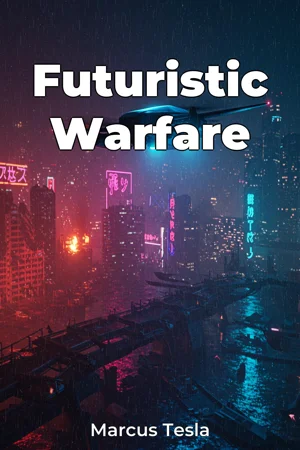
How have artists envisioned the future of armed conflict, and what can these visions tell us about our present anxieties and technological trajectories? "Futuristic Warfare" explores the imaginative landscape of manga, a dynamic and influential art form, to uncover how it has depicted future combat scenarios involving advanced weaponry, robotics, and cybernetic enhancements. This book is important because it analyzes a cultural touchstone often overlooked in traditional military and technological analyses. By examining manga, we gain insights into how societies grapple with the ethical, strategic, and human implications of rapidly evolving technologies in the context of war. The book's exploration requires an understanding of both military history and technological advancements. From the historical evolution of warfare to the increasing role of automation and cybernetics, this book offers a contextual backdrop for the manga depictions analyzed. No specialized knowledge beyond a general interest in military history, technology, and popular culture is required. The central argument is that manga serves as a potent cultural prism through which anxieties about technological progress, the changing nature of warfare, and the future of humanity are reflected and debated. By analyzing recurring themes and tropes within the genre, this book reveals the underlying societal concerns driving these narratives. The book unfolds as follows: first, an introduction lays the groundwork by providing a brief overview of the history of manga, its cultural significance, and its engagement with military themes. The second section will examine the depiction of advanced weapons in manga, including energy weapons, railguns, and other speculative technologies. The third section then delves into the representation of robotics and autonomous systems, analyzing how manga portrays the increasing role of drones and AI in combat. The fourth section explores cybernetic enhancements and transhumanism, examining the ethical and psychological implications of merging humans with machines in warfare. The final section explores how these visions within manga intersect with real-world discussions about military technology and the future of conflict. Analysis is supported by a large collection of manga spanning several decades, cataloging common themes and specific examples. Close textual and visual analysis is applied, providing historical and technological context to these depictions. Original translations and detailed descriptions are also included. This book connects to the fields of military history, technology studies, and cultural studies. Military history provides the framework for understanding the evolution of warfare. Technology studies provides the tools for analyzing the social impact of new technologies. Cultural studies offers a lens for understanding how manga reflects and shapes societal values and beliefs. "Futuristic Warfare" offers a unique perspective by analyzing manga not simply as entertainment, but as a form of cultural commentary on the future of warfare. It bridges the gap between popular culture and serious academic inquiry, showing how a visual medium can provide valuable insights into complex social and technological issues. The book adopts a formal and analytical tone, emphasizing clarity and objectivity. The intended audience includes scholars, students, military professionals, and anyone interested in the intersection of technology, culture, and conflict. This book provides a valuable resource for understanding how manga imagines future warfare. The scope of the book is limited to manga, intentionally excluding other forms of science fiction such as novels or films. This focused approach allows for a thorough and in-depth analysis of a specific medium. The analysis of manga can be applied to understand the broader cultural implications of emerging military technologies. It may inform discussions about the ethical and strategic considerations of future warfare scenarios. Technological advancements, particularly in AI and robotics, raise concerns about autonomous weapons and the potential for unintended consequences. Different manga address these controversies and provide insight into the moral complexities of warfare.
How have artists envisioned the future of armed conflict, and what can these visions tell us about our present anxieties and technological trajectories? "Futuristic Warfare" explores the imaginative landscape of manga, a dynamic and influential art form, to uncover how it has depicted future combat scenarios involving advanced weaponry, robotics, and cybernetic enhancements. This book is important because it analyzes a cultural touchstone often overlooked in traditional military and technological analyses. By examining manga, we gain insights into how societies grapple with the ethical, strategic, and human implications of rapidly evolving technologies in the context of war. The book's exploration requires an understanding of both military history and technological advancements. From the historical evolution of warfare to the increasing role of automation and cybernetics, this book offers a contextual backdrop for the manga depictions analyzed. No specialized knowledge beyond a general interest in military history, technology, and popular culture is required. The central argument is that manga serves as a potent cultural prism through which anxieties about technological progress, the changing nature of warfare, and the future of humanity are reflected and debated. By analyzing recurring themes and tropes within the genre, this book reveals the underlying societal concerns driving these narratives. The book unfolds as follows: first, an introduction lays the groundwork by providing a brief overview of the history of manga, its cultural significance, and its engagement with military themes. The second section will examine the depiction of advanced weapons in manga, including energy weapons, railguns, and other speculative technologies. The third section then delves into the representation of robotics and autonomous systems, analyzing how manga portrays the increasing role of drones and AI in combat. The fourth section explores cybernetic enhancements and transhumanism, examining the ethical and psychological implications of merging humans with machines in warfare. The final section explores how these visions within manga intersect with real-world discussions about military technology and the future of conflict. Analysis is supported by a large collection of manga spanning several decades, cataloging common themes and specific examples. Close textual and visual analysis is applied, providing historical and technological context to these depictions. Original translations and detailed descriptions are also included. This book connects to the fields of military history, technology studies, and cultural studies. Military history provides the framework for understanding the evolution of warfare. Technology studies provides the tools for analyzing the social impact of new technologies. Cultural studies offers a lens for understanding how manga reflects and shapes societal values and beliefs. "Futuristic Warfare" offers a unique perspective by analyzing manga not simply as entertainment, but as a form of cultural commentary on the future of warfare. It bridges the gap between popular culture and serious academic inquiry, showing how a visual medium can provide valuable insights into complex social and technological issues. The book adopts a formal and analytical tone, emphasizing clarity and objectivity. The intended audience includes scholars, students, military professionals, and anyone interested in the intersection of technology, culture, and conflict. This book provides a valuable resource for understanding how manga imagines future warfare. The scope of the book is limited to manga, intentionally excluding other forms of science fiction such as novels or films. This focused approach allows for a thorough and in-depth analysis of a specific medium. The analysis of manga can be applied to understand the broader cultural implications of emerging military technologies. It may inform discussions about the ethical and strategic considerations of future warfare scenarios. Technological advancements, particularly in AI and robotics, raise concerns about autonomous weapons and the potential for unintended consequences. Different manga address these controversies and provide insight into the moral complexities of warfare.
"Futuristic Warfare" explores how manga, a popular and influential art form, envisions the future of armed conflict, offering insights into our present anxieties about technology and war. By examining manga's depictions of advanced weaponry, robotics, and cybernetics, the book reveals how societies grapple with the ethical and strategic implications of rapidly evolving technologies. One intriguing aspect is the consistent portrayal of autonomous systems, raising questions about the potential for unintended consequences in future combat. The study also highlights how manga reflects anxieties about transhumanism and the merging of humans with machines, a theme often explored in the context of advanced military technology. This book analyzes manga as a cultural prism, reflecting and debating societal concerns about technological progress and the changing nature of warfare. It bridges the gap between popular culture and serious academic inquiry by analyzing recurring themes and tropes within the genre. The book progresses by first providing a brief overview of the history of manga and its engagement with military themes, then delves into depictions of advanced weapons, robotics, and cybernetics, and concludes by exploring the intersection of these visions with real-world discussions about military technology. By connecting military history, technology studies, and cultural studies, "Futuristic Warfare" offers a unique perspective on understanding the cultural implications of emerging military technologies. The book provides a valuable resource for scholars, students, military professionals, and anyone interested in the intersection of technology, culture, and conflict.
Book Details
ISBN
9788235295590
Publisher
Publifye AS
Your Licenses
You don't own any licenses for this book
Purchase a license below to unlock this book and download the EPUB.
Purchase License
Select a tier to unlock this book
Need bulk licensing?
Contact us for enterprise agreements.