
About This Book
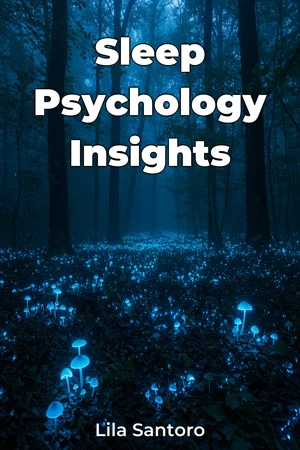
Are you truly aware of the profound impact sleep has on every facet of your existence? "Sleep Psychology Insights" delves into the critical role sleep plays in cognitive function, mental well-being, and emotional equilibrium, offering evidence-based techniques to cultivate restorative sleep habits. This book is not merely about counting sheep; it’s about understanding the intricate relationship between sleep and your overall health, bridging the gap between scientific research and practical application. We explore three core concepts: the cognitive consequences of sleep deprivation, the bidirectional relationship between sleep and mental health, and the regulatory effect of sleep on emotional stability. These topics are vital because sleep is often overlooked as a cornerstone of health, despite impacting everything from memory consolidation to mood regulation. Neglecting sleep can lead to diminished cognitive abilities, increased susceptibility to mental health disorders, and difficulty managing emotions effectively. Historically, sleep has been viewed through various lenses, from spiritual significance to a mere period of inactivity. Modern sleep science, however, has revealed the complex physiological and psychological processes that occur during sleep, utilizing tools like electroencephalography (EEG) and polysomnography to map brain activity and identify sleep stages. While no prior knowledge is strictly required, a basic understanding of biological processes and psychological principles will enhance the reading experience. The central argument of "Sleep Psychology Insights" is that prioritizing and optimizing sleep is not a luxury, but a fundamental necessity for enhancing cognitive performance, fostering mental wellness, and promoting emotional resilience. This argument is crucial because it challenges the societal norm of sacrificing sleep for productivity or other pursuits, highlighting that inadequate sleep undermines these very goals. This book is structured to guide you through a comprehensive understanding of sleep psychology. We begin by introducing the foundational concepts of sleep architecture, circadian rhythms, and the neurobiology of sleep. The core of the book then develops these ideas across several key areas. First, we examine the impact of sleep on cognitive functions, such as attention, memory, and decision-making, presenting evidence from neuroimaging studies and cognitive performance tests. Second, we explore the interplay between sleep disorders and mental health conditions, including anxiety, depression, and post-traumatic stress disorder (PTSD), analyzing epidemiological data and clinical case studies. Third, we investigate the crucial role of sleep in regulating emotions, considering the relationship between sleep patterns, emotional processing in the brain, and interpersonal interactions. The book culminates in a discussion of practical strategies for improving sleep habits, drawing from cognitive behavioral therapy for insomnia (CBT-I), mindfulness-based techniques, and lifestyle modifications. The evidence and research presented in this book draw from a wide range of sources, including peer-reviewed scientific journals, longitudinal studies, and meta-analyses. We analyze data from sleep laboratories, clinical trials, and large-scale population surveys, providing a robust foundation for our arguments. "Sleep Psychology Insights" connects to various fields, including neuroscience, clinical psychology, and public health. Our exploration of the neurobiological mechanisms of sleep links to neuroscience, our analysis of sleep disorders and mental health connects to clinical psychology, and our discussion of sleep hygiene and public health initiatives connects to public health. These interdisciplinary connections enhance the book's argument by providing a holistic understanding of sleep and its broader implications. This book distinguishes itself by offering a practical, evidence-based guide to improving sleep, grounded in psychological principles. We move beyond general tips to provide targeted strategies tailored to individual needs and challenges. Written in a clear and accessible style, "Sleep Psychology Insights" aims to make complex scientific information understandable and engaging for a broad readership. The tone is informative, supportive, and empowering, encouraging readers to take an active role in improving their sleep and overall well-being. "Sleep Psychology Insights" is tailored for individuals seeking to understand and improve their sleep, including students, professionals, and anyone interested in optimizing their cognitive function, mental health, and emotional stability. This book will be valuable to those struggling with insomnia, sleep disorders, or simply seeking to enhance their overall quality of life. This book fits within the self-help and psychology genres by providing practical advice and evidence-based strategies for personal growth and well-being. It aligns with readers' expectations for actionable insights and clear, concise explanations of psychological concepts. The scope of this book focuses on the psychological and behavioral aspects of sleep, with an emphasis on practical interventions for improving sleep habits. We acknowledge limitations in covering certain medical aspects of sleep disorders, which are best addressed by medical professionals. The strategies presented in this book can be applied directly to improve sleep quality, enhance cognitive performance, reduce stress, and foster emotional resilience. Readers will learn to identify and address the root causes of their sleep problems, develop healthy sleep habits, and create a sleep-friendly environment. While the scientific consensus supports the importance of sleep, debates continue regarding the optimal amount of sleep for individuals and the effectiveness of various sleep interventions. We address these controversies by presenting a balanced perspective and highlighting areas of ongoing research.
Are you truly aware of the profound impact sleep has on every facet of your existence? "Sleep Psychology Insights" delves into the critical role sleep plays in cognitive function, mental well-being, and emotional equilibrium, offering evidence-based techniques to cultivate restorative sleep habits. This book is not merely about counting sheep; it’s about understanding the intricate relationship between sleep and your overall health, bridging the gap between scientific research and practical application. We explore three core concepts: the cognitive consequences of sleep deprivation, the bidirectional relationship between sleep and mental health, and the regulatory effect of sleep on emotional stability. These topics are vital because sleep is often overlooked as a cornerstone of health, despite impacting everything from memory consolidation to mood regulation. Neglecting sleep can lead to diminished cognitive abilities, increased susceptibility to mental health disorders, and difficulty managing emotions effectively. Historically, sleep has been viewed through various lenses, from spiritual significance to a mere period of inactivity. Modern sleep science, however, has revealed the complex physiological and psychological processes that occur during sleep, utilizing tools like electroencephalography (EEG) and polysomnography to map brain activity and identify sleep stages. While no prior knowledge is strictly required, a basic understanding of biological processes and psychological principles will enhance the reading experience. The central argument of "Sleep Psychology Insights" is that prioritizing and optimizing sleep is not a luxury, but a fundamental necessity for enhancing cognitive performance, fostering mental wellness, and promoting emotional resilience. This argument is crucial because it challenges the societal norm of sacrificing sleep for productivity or other pursuits, highlighting that inadequate sleep undermines these very goals. This book is structured to guide you through a comprehensive understanding of sleep psychology. We begin by introducing the foundational concepts of sleep architecture, circadian rhythms, and the neurobiology of sleep. The core of the book then develops these ideas across several key areas. First, we examine the impact of sleep on cognitive functions, such as attention, memory, and decision-making, presenting evidence from neuroimaging studies and cognitive performance tests. Second, we explore the interplay between sleep disorders and mental health conditions, including anxiety, depression, and post-traumatic stress disorder (PTSD), analyzing epidemiological data and clinical case studies. Third, we investigate the crucial role of sleep in regulating emotions, considering the relationship between sleep patterns, emotional processing in the brain, and interpersonal interactions. The book culminates in a discussion of practical strategies for improving sleep habits, drawing from cognitive behavioral therapy for insomnia (CBT-I), mindfulness-based techniques, and lifestyle modifications. The evidence and research presented in this book draw from a wide range of sources, including peer-reviewed scientific journals, longitudinal studies, and meta-analyses. We analyze data from sleep laboratories, clinical trials, and large-scale population surveys, providing a robust foundation for our arguments. "Sleep Psychology Insights" connects to various fields, including neuroscience, clinical psychology, and public health. Our exploration of the neurobiological mechanisms of sleep links to neuroscience, our analysis of sleep disorders and mental health connects to clinical psychology, and our discussion of sleep hygiene and public health initiatives connects to public health. These interdisciplinary connections enhance the book's argument by providing a holistic understanding of sleep and its broader implications. This book distinguishes itself by offering a practical, evidence-based guide to improving sleep, grounded in psychological principles. We move beyond general tips to provide targeted strategies tailored to individual needs and challenges. Written in a clear and accessible style, "Sleep Psychology Insights" aims to make complex scientific information understandable and engaging for a broad readership. The tone is informative, supportive, and empowering, encouraging readers to take an active role in improving their sleep and overall well-being. "Sleep Psychology Insights" is tailored for individuals seeking to understand and improve their sleep, including students, professionals, and anyone interested in optimizing their cognitive function, mental health, and emotional stability. This book will be valuable to those struggling with insomnia, sleep disorders, or simply seeking to enhance their overall quality of life. This book fits within the self-help and psychology genres by providing practical advice and evidence-based strategies for personal growth and well-being. It aligns with readers' expectations for actionable insights and clear, concise explanations of psychological concepts. The scope of this book focuses on the psychological and behavioral aspects of sleep, with an emphasis on practical interventions for improving sleep habits. We acknowledge limitations in covering certain medical aspects of sleep disorders, which are best addressed by medical professionals. The strategies presented in this book can be applied directly to improve sleep quality, enhance cognitive performance, reduce stress, and foster emotional resilience. Readers will learn to identify and address the root causes of their sleep problems, develop healthy sleep habits, and create a sleep-friendly environment. While the scientific consensus supports the importance of sleep, debates continue regarding the optimal amount of sleep for individuals and the effectiveness of various sleep interventions. We address these controversies by presenting a balanced perspective and highlighting areas of ongoing research.
"Sleep Psychology Insights" explores the crucial connection between sleep and overall well-being, asserting that quality sleep isn't a luxury but a necessity. It delves into how sleep impacts cognitive function, mental health, and emotional equilibrium. Did you know that neglecting sleep can diminish cognitive abilities and increase susceptibility to mental health disorders? Or that sleep patterns are directly related to emotional processing in the brain? This book bridges the gap between scientific research and practical application, making complex concepts accessible. The book presents a systematic approach, starting with foundational concepts like sleep architecture and circadian rhythms. It progresses by examining sleep's impact on cognitive functions, the interplay between sleep disorders and mental health, and the role of sleep in regulating emotions. Drawing from cognitive behavioral therapy for insomnia (CBT-I), mindfulness, and lifestyle adjustments, it offers targeted strategies for individual needs. Ultimately, "Sleep Psychology Insights" aims to empower readers to take control of their sleep habits. By understanding the psychological and behavioral aspects of sleep, readers can learn to improve sleep quality, enhance cognitive performance, and foster emotional resilience. This makes it an invaluable resource for anyone seeking self-help and a better understanding of sleep psychology.
Book Details
ISBN
9788235295361
Publisher
Publifye AS
Your Licenses
You don't own any licenses for this book
Purchase a license below to unlock this book and download the EPUB.
Purchase License
Select a tier to unlock this book
Need bulk licensing?
Contact us for enterprise agreements.