
About This Book
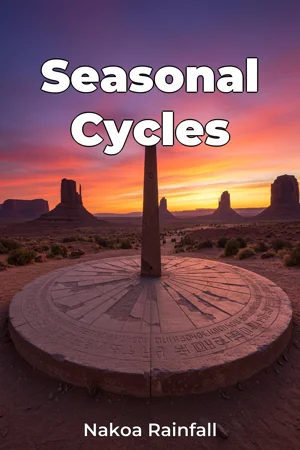
How did ancient societies, separated by vast distances and unique environments, independently develop sophisticated methods for tracking time and predicting seasonal changes? "Seasonal Cycles" explores the diverse ways cultures across the globe adapted calendars to align with agricultural necessities, natural phenomena, and ritualistic observances. This book delves into the intersection of Earth Sciences, Geography, and History, offering a comprehensive understanding of human ingenuity in response to the cyclical nature of our planet. This book addresses the crucial role of calendar systems as practical tools and reflections of cultural understanding and adaptation. We examine the development of these systems not just as a historical record, but also as a testament to human interaction with the natural world. The significance lies in understanding how these systems shaped agricultural practices, religious ceremonies, and societal structures. We will begin by establishing a foundational understanding of astronomical observations essential for calendar creation, like solar and lunar movements, and geological markers indicative of seasonal shifts. The historical and social context is crucial; calendars served not only as timekeepers but also as instruments of power, influencing resource management and social order. A basic understanding of different climate zones and their impact on agricultural cycles will enhance the reader's grasp of the adaptive strategies. The central argument of "Seasonal Cycles" is that calendar systems are not simply abstract representations of time, but are dynamic adaptations reflecting the complex interplay between human societies and their environment. By examining a variety of calendars from different regions, the book demonstrates how environmental factors, agricultural needs, and cultural beliefs shaped the development and evolution of timekeeping practices. The book is structured to provide a complete overview of this fascinating topic. Initially, we introduce the core concepts of solar, lunar, and lunisolar calendars, highlighting their origins and basic principles. The book then develops its argument through several thematic chapters focusing on: 1) Agricultural Calendars: Examining how societies like ancient Egyptians and Mesopotamians developed calendars intricately linked to planting and harvesting cycles, impacting irrigation management and crop selection. 2) Calendars and Rituals: Exploring how calendars influenced religious observances and seasonal festivals in cultures such as the Maya and the Celts, illustrating the integration of spiritual beliefs with temporal frameworks. 3) Calendars and Environmental Awareness: Studying how indigenous communities developed comprehensive calendars based on detailed observations of flora, fauna, and weather patterns, showcasing the intricate knowledge of ecosystems embedded in calendar systems. The book culminates in a discussion of the legacy of these ancient systems and their relevance to contemporary challenges such as climate change adaptation, emphasizing the importance of understanding ecological patterns for sustainable practices. Our analysis will be supported by archaeological records, historical texts, ethnographic studies, and climatological data. Unique data sources include interpretations of ancient calendar inscriptions, comparative analyses of agricultural yields based on calendar predictions, and cross-cultural comparisons of seasonal festivals and their environmental underpinnings. "Seasonal Cycles" connects to several interdisciplinary fields. Firstly, it aligns with anthropology, focusing on cultural adaptations to environmental conditions. Secondly, it connects with climate science, exploring how historical calendar systems reflect past climatic conditions and environmental changes. Finally, it intersects with agricultural science, examining how ancient calendars informed sustainable farming practices. This book adopts a comparative approach, analyzing calendar systems from diverse perspectives. The book maintains an academic tone while remaining accessible to non-specialist readers, blending rigorous research with clear explanations. The target audience includes students and researchers in history, geography, anthropology, and environmental studies, as well as general readers interested in the history of science, cultural adaptations, and the relationship between humans and the environment. The book will be valuable to them because it offers a comprehensive and comparative analysis of calendar systems, highlighting their role in shaping human societies and their understanding of the natural world. As a work of non-fiction in Earth Sciences, Geography, and History, "Seasonal Cycles" adheres to the standards of evidence-based analysis and scholarly rigor. Sources are meticulously cited, interpretations are supported by empirical data, and arguments are presented in a clear and logical manner. While the book aims to provide a broad overview of calendar systems across various cultures, it acknowledges the limitations of focusing on a selected range of cases. It does not delve into every single calendar system, but rather provides representative examples to illustrate key themes and patterns. The knowledge presented in "Seasonal Cycles" has practical applications. Understanding how ancient societies adapted to environmental cycles can inform contemporary strategies for climate change resilience, sustainable agriculture, and resource management. For example, traditional ecological knowledge embedded in indigenous calendars can offer valuable insights for local conservation efforts and climate mitigation strategies. While there is a general consensus on the importance of calendars in shaping human societies, debates continue regarding the accuracy of historical reconstructions, the cultural interpretations of calendar symbols, and the extent to which ancient calendars can inform contemporary practices. "Seasonal Cycles" addresses these debates by presenting different perspectives and encouraging critical thinking.
How did ancient societies, separated by vast distances and unique environments, independently develop sophisticated methods for tracking time and predicting seasonal changes? "Seasonal Cycles" explores the diverse ways cultures across the globe adapted calendars to align with agricultural necessities, natural phenomena, and ritualistic observances. This book delves into the intersection of Earth Sciences, Geography, and History, offering a comprehensive understanding of human ingenuity in response to the cyclical nature of our planet. This book addresses the crucial role of calendar systems as practical tools and reflections of cultural understanding and adaptation. We examine the development of these systems not just as a historical record, but also as a testament to human interaction with the natural world. The significance lies in understanding how these systems shaped agricultural practices, religious ceremonies, and societal structures. We will begin by establishing a foundational understanding of astronomical observations essential for calendar creation, like solar and lunar movements, and geological markers indicative of seasonal shifts. The historical and social context is crucial; calendars served not only as timekeepers but also as instruments of power, influencing resource management and social order. A basic understanding of different climate zones and their impact on agricultural cycles will enhance the reader's grasp of the adaptive strategies. The central argument of "Seasonal Cycles" is that calendar systems are not simply abstract representations of time, but are dynamic adaptations reflecting the complex interplay between human societies and their environment. By examining a variety of calendars from different regions, the book demonstrates how environmental factors, agricultural needs, and cultural beliefs shaped the development and evolution of timekeeping practices. The book is structured to provide a complete overview of this fascinating topic. Initially, we introduce the core concepts of solar, lunar, and lunisolar calendars, highlighting their origins and basic principles. The book then develops its argument through several thematic chapters focusing on: 1) Agricultural Calendars: Examining how societies like ancient Egyptians and Mesopotamians developed calendars intricately linked to planting and harvesting cycles, impacting irrigation management and crop selection. 2) Calendars and Rituals: Exploring how calendars influenced religious observances and seasonal festivals in cultures such as the Maya and the Celts, illustrating the integration of spiritual beliefs with temporal frameworks. 3) Calendars and Environmental Awareness: Studying how indigenous communities developed comprehensive calendars based on detailed observations of flora, fauna, and weather patterns, showcasing the intricate knowledge of ecosystems embedded in calendar systems. The book culminates in a discussion of the legacy of these ancient systems and their relevance to contemporary challenges such as climate change adaptation, emphasizing the importance of understanding ecological patterns for sustainable practices. Our analysis will be supported by archaeological records, historical texts, ethnographic studies, and climatological data. Unique data sources include interpretations of ancient calendar inscriptions, comparative analyses of agricultural yields based on calendar predictions, and cross-cultural comparisons of seasonal festivals and their environmental underpinnings. "Seasonal Cycles" connects to several interdisciplinary fields. Firstly, it aligns with anthropology, focusing on cultural adaptations to environmental conditions. Secondly, it connects with climate science, exploring how historical calendar systems reflect past climatic conditions and environmental changes. Finally, it intersects with agricultural science, examining how ancient calendars informed sustainable farming practices. This book adopts a comparative approach, analyzing calendar systems from diverse perspectives. The book maintains an academic tone while remaining accessible to non-specialist readers, blending rigorous research with clear explanations. The target audience includes students and researchers in history, geography, anthropology, and environmental studies, as well as general readers interested in the history of science, cultural adaptations, and the relationship between humans and the environment. The book will be valuable to them because it offers a comprehensive and comparative analysis of calendar systems, highlighting their role in shaping human societies and their understanding of the natural world. As a work of non-fiction in Earth Sciences, Geography, and History, "Seasonal Cycles" adheres to the standards of evidence-based analysis and scholarly rigor. Sources are meticulously cited, interpretations are supported by empirical data, and arguments are presented in a clear and logical manner. While the book aims to provide a broad overview of calendar systems across various cultures, it acknowledges the limitations of focusing on a selected range of cases. It does not delve into every single calendar system, but rather provides representative examples to illustrate key themes and patterns. The knowledge presented in "Seasonal Cycles" has practical applications. Understanding how ancient societies adapted to environmental cycles can inform contemporary strategies for climate change resilience, sustainable agriculture, and resource management. For example, traditional ecological knowledge embedded in indigenous calendars can offer valuable insights for local conservation efforts and climate mitigation strategies. While there is a general consensus on the importance of calendars in shaping human societies, debates continue regarding the accuracy of historical reconstructions, the cultural interpretations of calendar symbols, and the extent to which ancient calendars can inform contemporary practices. "Seasonal Cycles" addresses these debates by presenting different perspectives and encouraging critical thinking.
"Seasonal Cycles" explores how ancient societies, despite geographical distances, developed intricate calendar systems to track time and seasonal changes. It highlights the ingenuity of human cultures in adapting to the cyclical nature of our planet, examining calendars not merely as historical records, but as reflections of human interaction with the environment. These systems played a pivotal role in shaping agricultural practices, religious ceremonies, and societal structures. For example, calendars influenced irrigation management in ancient Egypt and dictated seasonal festivals among the Celts. The book adopts a comparative approach, blending Earth Sciences, Geography, and History to analyze calendar systems from diverse perspectives. It begins by establishing a foundational understanding of astronomical observations, then progresses through thematic chapters focusing on agricultural calendars, calendars and rituals, and calendars and environmental awareness. By examining a variety of calendars from different regions, the book demonstrates how environmental factors, agricultural needs, and cultural beliefs shaped the development and evolution of timekeeping practices. Ultimately, "Seasonal Cycles" argues that calendar systems are dynamic adaptations reflecting the complex interplay between societies and their environment. It emphasizes the legacy of these ancient systems and their relevance to contemporary challenges like climate change adaptation and sustainable practices, showcasing the importance of understanding ecological patterns for a more sustainable future.
Book Details
ISBN
9788235295286
Publisher
Publifye AS
Your Licenses
You don't own any licenses for this book
Purchase a license below to unlock this book and download the EPUB.
Purchase License
Select a tier to unlock this book
Need bulk licensing?
Contact us for enterprise agreements.