
About This Book
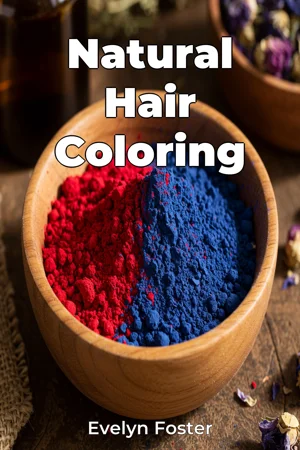
Are you seeking a gentler, more sustainable way to color your hair, free from harsh chemicals and synthetic dyes? "Natural Hair Coloring" offers a comprehensive guide to achieving beautiful, vibrant hair color using the power of nature. This book delves into the world of plant-based dyes and herbal treatments, providing readers with the knowledge and practical skills to transform their hair coloring routine into a healthy and environmentally conscious practice. The core of this book revolves around three key topics: henna, indigo, and various herbal treatments. Henna, derived from the Lawsonia inermis plant, provides a range of reddish-brown hues and is celebrated for its conditioning properties. Indigo, extracted from the Indigofera tinctoria plant, is used to achieve darker shades, from brown to black, often in combination with henna. Beyond these two powerhouses, the book explores a spectrum of herbal treatments, including amla, cassia obovata, and walnut hulls, each offering unique coloring and conditioning benefits. These topics are significant because they represent viable alternatives to conventional hair dyes, which frequently contain harmful chemicals like ammonia, peroxide, and parabens, potentially leading to allergic reactions, hair damage, and environmental pollution. Understanding the historical context of natural hair coloring is essential. For centuries, cultures around the world have utilized plant-based dyes for cosmetic and ritualistic purposes. This book will trace the origins of henna and indigo use, highlighting their cultural significance and traditional application methods. Furthermore, we will examine the scientific principles behind how these natural dyes interact with hair proteins, enabling readers to understand the process at a molecular level. "Natural Hair Coloring" argues that achieving vibrant and healthy hair color does not require compromising your well-being or the environment. The book champions the adoption of natural hair coloring methods as a holistic approach to beauty, promoting both personal health and ecological sustainability. This argument is vital because it challenges the dominance of chemical-laden hair dyes in the market and empowers individuals to make informed choices about their hair care. The book is structured to guide readers through a seamless learning experience. It begins with an introduction to the fundamental concepts of natural hair coloring, including the properties of different plant-based dyes and their effects on hair. It proceeds to explore henna and indigo in detail, providing step-by-step instructions for preparing and applying these dyes, troubleshooting common issues, and achieving specific color results. The subsequent chapters delve into various herbal treatments, outlining their unique benefits and application methods. The book culminates in a comprehensive guide to creating custom color blends, addressing specific hair types and conditions, and maintaining vibrant color over time. Practical applications are emphasized throughout, with recipes, tips, and real-world examples to inspire and guide readers. The information presented in "Natural Hair Coloring" is supported by a combination of scientific research, traditional knowledge, and practical experimentation. The book draws upon published studies on the chemical composition and properties of plant-based dyes, as well as historical accounts of their use in different cultures. Additionally, the author's extensive experience in natural hair coloring provides valuable insights and practical guidance. This book connects to several other fields of study. Firstly, botany, concerning plants and their properties. Secondly, chemistry is concerned with the interaction of dyes and hair proteins. Thirdly, environmental science connects with the environmental impact of natural versus chemical hair dyes. By integrating these perspectives, the book offers a holistic understanding of natural hair coloring. "Natural Hair Coloring" stands apart by providing an in-depth exploration of the science behind natural dyes, combining this with practical, user-friendly instructions. The book offers a balanced perspective, acknowledging both the benefits and limitations of natural hair coloring methods, enabling readers to make informed decisions based on their individual needs and preferences. The tone of this book is informative, accessible, and encouraging. The writing style is clear and concise, avoiding technical jargon while maintaining scientific accuracy. The intended audience for "Natural Hair Coloring" includes individuals seeking natural and sustainable alternatives to conventional hair dyes, those with sensitive skin or allergies to chemicals, and anyone interested in exploring the art of herbal hair care. This book will be especially valuable to those who prioritize their health and the environment. As a health and fitness book, it focuses on the health aspect of avoiding chemical products. As a crafts and hobbies guide, it provides detailed instructions for the processes involved. The scope of "Natural Hair Coloring" encompasses a wide range of plant-based dyes and herbal treatments suitable for various hair types and color goals. However, it intentionally excludes synthetic or semi-permanent dyes, focusing exclusively on natural alternatives. The knowledge and skills acquired from this book can be directly applied to creating personalized hair coloring routines, reducing exposure to harmful chemicals, and promoting healthy hair growth. While natural hair coloring is generally considered safe, certain controversies exist regarding the purity and sourcing of henna and indigo powders. "Natural Hair Coloring" addresses these concerns by providing guidance on selecting reputable suppliers and conducting patch tests to prevent allergic reactions.
Are you seeking a gentler, more sustainable way to color your hair, free from harsh chemicals and synthetic dyes? "Natural Hair Coloring" offers a comprehensive guide to achieving beautiful, vibrant hair color using the power of nature. This book delves into the world of plant-based dyes and herbal treatments, providing readers with the knowledge and practical skills to transform their hair coloring routine into a healthy and environmentally conscious practice. The core of this book revolves around three key topics: henna, indigo, and various herbal treatments. Henna, derived from the Lawsonia inermis plant, provides a range of reddish-brown hues and is celebrated for its conditioning properties. Indigo, extracted from the Indigofera tinctoria plant, is used to achieve darker shades, from brown to black, often in combination with henna. Beyond these two powerhouses, the book explores a spectrum of herbal treatments, including amla, cassia obovata, and walnut hulls, each offering unique coloring and conditioning benefits. These topics are significant because they represent viable alternatives to conventional hair dyes, which frequently contain harmful chemicals like ammonia, peroxide, and parabens, potentially leading to allergic reactions, hair damage, and environmental pollution. Understanding the historical context of natural hair coloring is essential. For centuries, cultures around the world have utilized plant-based dyes for cosmetic and ritualistic purposes. This book will trace the origins of henna and indigo use, highlighting their cultural significance and traditional application methods. Furthermore, we will examine the scientific principles behind how these natural dyes interact with hair proteins, enabling readers to understand the process at a molecular level. "Natural Hair Coloring" argues that achieving vibrant and healthy hair color does not require compromising your well-being or the environment. The book champions the adoption of natural hair coloring methods as a holistic approach to beauty, promoting both personal health and ecological sustainability. This argument is vital because it challenges the dominance of chemical-laden hair dyes in the market and empowers individuals to make informed choices about their hair care. The book is structured to guide readers through a seamless learning experience. It begins with an introduction to the fundamental concepts of natural hair coloring, including the properties of different plant-based dyes and their effects on hair. It proceeds to explore henna and indigo in detail, providing step-by-step instructions for preparing and applying these dyes, troubleshooting common issues, and achieving specific color results. The subsequent chapters delve into various herbal treatments, outlining their unique benefits and application methods. The book culminates in a comprehensive guide to creating custom color blends, addressing specific hair types and conditions, and maintaining vibrant color over time. Practical applications are emphasized throughout, with recipes, tips, and real-world examples to inspire and guide readers. The information presented in "Natural Hair Coloring" is supported by a combination of scientific research, traditional knowledge, and practical experimentation. The book draws upon published studies on the chemical composition and properties of plant-based dyes, as well as historical accounts of their use in different cultures. Additionally, the author's extensive experience in natural hair coloring provides valuable insights and practical guidance. This book connects to several other fields of study. Firstly, botany, concerning plants and their properties. Secondly, chemistry is concerned with the interaction of dyes and hair proteins. Thirdly, environmental science connects with the environmental impact of natural versus chemical hair dyes. By integrating these perspectives, the book offers a holistic understanding of natural hair coloring. "Natural Hair Coloring" stands apart by providing an in-depth exploration of the science behind natural dyes, combining this with practical, user-friendly instructions. The book offers a balanced perspective, acknowledging both the benefits and limitations of natural hair coloring methods, enabling readers to make informed decisions based on their individual needs and preferences. The tone of this book is informative, accessible, and encouraging. The writing style is clear and concise, avoiding technical jargon while maintaining scientific accuracy. The intended audience for "Natural Hair Coloring" includes individuals seeking natural and sustainable alternatives to conventional hair dyes, those with sensitive skin or allergies to chemicals, and anyone interested in exploring the art of herbal hair care. This book will be especially valuable to those who prioritize their health and the environment. As a health and fitness book, it focuses on the health aspect of avoiding chemical products. As a crafts and hobbies guide, it provides detailed instructions for the processes involved. The scope of "Natural Hair Coloring" encompasses a wide range of plant-based dyes and herbal treatments suitable for various hair types and color goals. However, it intentionally excludes synthetic or semi-permanent dyes, focusing exclusively on natural alternatives. The knowledge and skills acquired from this book can be directly applied to creating personalized hair coloring routines, reducing exposure to harmful chemicals, and promoting healthy hair growth. While natural hair coloring is generally considered safe, certain controversies exist regarding the purity and sourcing of henna and indigo powders. "Natural Hair Coloring" addresses these concerns by providing guidance on selecting reputable suppliers and conducting patch tests to prevent allergic reactions.
"Natural Hair Coloring" provides a comprehensive guide to achieving beautiful hair color without harsh chemicals. It explores plant-based dyes like henna and indigo, celebrated for their conditioning properties and ability to create rich reddish-brown to dark shades. The book also delves into various herbal treatments, such as amla and cassia obovata, offering unique coloring and conditioning benefits, contrasting these with the potential harm from conventional dyes. The book emphasizes a holistic approach to beauty, blending historical context with scientific understanding. For example, it traces the origins of henna and indigo, revealing their cultural significance and explaining how these natural dyes interact with hair proteins. Structured for seamless learning, the book progresses from fundamental concepts to detailed instructions for preparing and applying dyes, creating custom color blends, and maintaining vibrant color over time.
Book Details
ISBN
9788235295248
Publisher
Publifye AS
Your Licenses
You don't own any licenses for this book
Purchase a license below to unlock this book and download the EPUB.
Purchase License
Select a tier to unlock this book
Need bulk licensing?
Contact us for enterprise agreements.