
About This Book
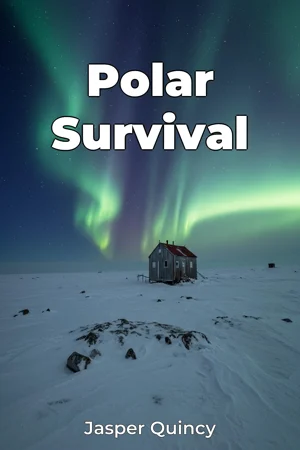
Can humanity truly conquer any environment, or are there limits to our adaptability? "Polar Survival" plunges into the heart of the world's most frigid landscapes to explore the harrowing realities of existence in these extreme zones, focusing on the biological challenges, the struggle for sustenance, and the remarkable endurance of those who call these places home. These topics are crucial because understanding the limits of human survival in extreme cold provides insights into our physiological resilience, the impact of climate change on vulnerable populations, and the ingenuity required to thrive where few can. We begin by examining the scientific context, detailing the specific environmental conditions that define polar regions, including temperature ranges, weather patterns, and geographical characteristics. A basic understanding of physics, biology, and climatology will aid the reader in appreciating the challenges presented in the book. The central argument of "Polar Survival" is that while human innovation and adaptation can extend the boundaries of survivability, the fundamental biological constraints imposed by extreme cold necessitate a constant and demanding struggle for existence. This is important because, in an era of rapid climate change, understanding these limits will be key to projecting the future habitability of increasingly volatile regions and supporting those populations most directly affected. The book unfolds in three primary sections. First, it introduces the core scientific concepts of cold weather physiology, exploring the mechanisms of heat loss, the risks of hypothermia and frostbite, and the body's adaptive responses to prolonged exposure. Second, it delves into the intricate challenges of procuring and preserving food in polar environments, detailing the traditional hunting and gathering techniques of indigenous populations, as well as the modern logistical hurdles of supplying research stations and settlements. Third, "Polar Survival" examines the psychological and social dimensions of living in isolation and under constant threat from the elements, focusing on the importance of community, resilience, and cultural adaptation. The culminating argument ties together these threads, demonstrating the delicate balance between human innovation and the immutable forces of nature. The practical implications extend to informing survival strategies, guiding climate change adaptation policies, and promoting a deeper respect for the limits of human endeavor. To support these claims, the book will present a combination of scientific data, historical accounts, and anthropological studies. Data from physiological experiments, meteorological records, and nutritional analyses will be presented alongside first-hand narratives from explorers, researchers, and indigenous peoples. Unique data sources will include previously unpublished journals from early polar expeditions and recent ethnographic studies of contemporary Arctic communities. Interdisciplinary connections enrich the book's argument. Firstly, medicine offers insights into the physiological effects of extreme cold. Secondly, anthropology reveals the cultural adaptations and survival strategies of different polar communities. Thirdly, climate science provides context for understanding the changing conditions of these fragile environments. "Polar Survival" offers a comprehensive and unflinching look at the realities of life in the planet's coldest regions. The tone is both informative and engaging, offering a narrative non-fiction style that blends scientific rigor with compelling human stories. The book is targeted toward readers with an interest in adventure, nature, science, and human resilience. It will be particularly valuable for students, researchers, outdoor enthusiasts, and anyone seeking a deeper understanding of the challenges and triumphs of life at the extremes. Genre-specific elements include detailed descriptions of survival techniques, analyses of environmental hazards, and case studies of successful and unsuccessful polar expeditions. The scope of the book focuses on the terrestrial challenges of polar survival, with limited attention to marine environments. This provides a focused exploration of human adaptation to land-based cold weather conditions. Real-world applications include informing cold-weather safety protocols, improving survival training programs, and raising awareness of the impacts of climate change on vulnerable polar communities. Ongoing debates in the field, such as the relative importance of technological versus cultural adaptation, are addressed through a balanced presentation of different viewpoints.
Can humanity truly conquer any environment, or are there limits to our adaptability? "Polar Survival" plunges into the heart of the world's most frigid landscapes to explore the harrowing realities of existence in these extreme zones, focusing on the biological challenges, the struggle for sustenance, and the remarkable endurance of those who call these places home. These topics are crucial because understanding the limits of human survival in extreme cold provides insights into our physiological resilience, the impact of climate change on vulnerable populations, and the ingenuity required to thrive where few can. We begin by examining the scientific context, detailing the specific environmental conditions that define polar regions, including temperature ranges, weather patterns, and geographical characteristics. A basic understanding of physics, biology, and climatology will aid the reader in appreciating the challenges presented in the book. The central argument of "Polar Survival" is that while human innovation and adaptation can extend the boundaries of survivability, the fundamental biological constraints imposed by extreme cold necessitate a constant and demanding struggle for existence. This is important because, in an era of rapid climate change, understanding these limits will be key to projecting the future habitability of increasingly volatile regions and supporting those populations most directly affected. The book unfolds in three primary sections. First, it introduces the core scientific concepts of cold weather physiology, exploring the mechanisms of heat loss, the risks of hypothermia and frostbite, and the body's adaptive responses to prolonged exposure. Second, it delves into the intricate challenges of procuring and preserving food in polar environments, detailing the traditional hunting and gathering techniques of indigenous populations, as well as the modern logistical hurdles of supplying research stations and settlements. Third, "Polar Survival" examines the psychological and social dimensions of living in isolation and under constant threat from the elements, focusing on the importance of community, resilience, and cultural adaptation. The culminating argument ties together these threads, demonstrating the delicate balance between human innovation and the immutable forces of nature. The practical implications extend to informing survival strategies, guiding climate change adaptation policies, and promoting a deeper respect for the limits of human endeavor. To support these claims, the book will present a combination of scientific data, historical accounts, and anthropological studies. Data from physiological experiments, meteorological records, and nutritional analyses will be presented alongside first-hand narratives from explorers, researchers, and indigenous peoples. Unique data sources will include previously unpublished journals from early polar expeditions and recent ethnographic studies of contemporary Arctic communities. Interdisciplinary connections enrich the book's argument. Firstly, medicine offers insights into the physiological effects of extreme cold. Secondly, anthropology reveals the cultural adaptations and survival strategies of different polar communities. Thirdly, climate science provides context for understanding the changing conditions of these fragile environments. "Polar Survival" offers a comprehensive and unflinching look at the realities of life in the planet's coldest regions. The tone is both informative and engaging, offering a narrative non-fiction style that blends scientific rigor with compelling human stories. The book is targeted toward readers with an interest in adventure, nature, science, and human resilience. It will be particularly valuable for students, researchers, outdoor enthusiasts, and anyone seeking a deeper understanding of the challenges and triumphs of life at the extremes. Genre-specific elements include detailed descriptions of survival techniques, analyses of environmental hazards, and case studies of successful and unsuccessful polar expeditions. The scope of the book focuses on the terrestrial challenges of polar survival, with limited attention to marine environments. This provides a focused exploration of human adaptation to land-based cold weather conditions. Real-world applications include informing cold-weather safety protocols, improving survival training programs, and raising awareness of the impacts of climate change on vulnerable polar communities. Ongoing debates in the field, such as the relative importance of technological versus cultural adaptation, are addressed through a balanced presentation of different viewpoints.
"Polar Survival" explores the formidable challenges of living in Earth's coldest regions, examining the interplay between human adaptability and the unyielding forces of nature. The book delves into the scientific and human aspects of enduring extreme cold, revealing how biological constraints shape survival strategies. Readers will discover that while innovation and technology extend our reach, the body's fundamental limitations necessitate a constant struggle. For instance, the book highlights the crucial importance of understanding heat loss mechanisms and the risks of hypothermia in these environments. The book progresses from foundational concepts of cold weather physiology to the practicalities of obtaining sustenance and the psychological demands of isolation. It details both the traditional techniques of indigenous populations and the modern logistical challenges faced by researchers. By combining scientific data with historical accounts and anthropological studies, "Polar Survival" paints a comprehensive picture of life at the extremes. One unique insight is the exploration of how communities foster resilience and cultural adaptation to thrive amidst constant environmental threats.
Book Details
ISBN
9788235295040
Publisher
Publifye AS
Your Licenses
You don't own any licenses for this book
Purchase a license below to unlock this book and download the EPUB.
Purchase License
Select a tier to unlock this book
Need bulk licensing?
Contact us for enterprise agreements.