
About This Book
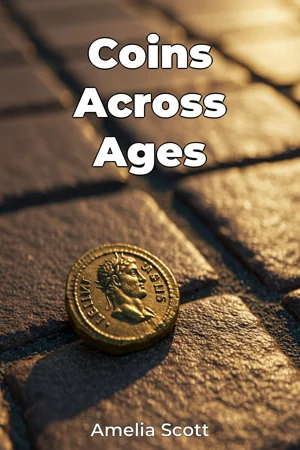
Imagine holding in your hand not just a coin, but a condensed history of civilization. "Coins Across Ages" explores the multifaceted journey of coinage, from its ancient origins as a facilitator of trade to its modern metamorphosis into the realm of digital currency. This book delves into the economic, social, and technological forces that have shaped the evolution of money, offering readers a comprehensive understanding of its enduring impact on human society. Two key topics form the backbone of our exploration: firstly, the transformative role of coins in fostering trade and economic development across diverse cultures and epochs. Secondly, the intricate relationship between technological innovation and the changing forms of currency, culminating in the rise of cryptocurrencies and blockchain technology. These topics are vitally important because they illuminate how monetary systems directly influence wealth distribution, social structures, and the pace of global progress. Understanding this evolution requires a grasp of foundational economic concepts like supply and demand, monetary policy, and market dynamics. We also journey through significant historical periods, from the rise of early empires that standardized coinage to the modern era of globalization and digital finance. The central argument of "Coins Across Ages" posits that the history of coinage is not simply a story of financial instruments, but a mirror reflecting the ingenuity, aspirations, and power dynamics of human civilization. This argument is crucial because it challenges conventional narratives that often treat money as a neutral tool, revealing its profound and often overlooked influence on societal development. The book unfolds systematically. First, we introduce the earliest forms of money, from bartering systems to the first standardized coins in ancient Lydia. We then trace the development of coinage through the Greek, Roman, and medieval periods, examining how different cultures adapted and innovated monetary systems to suit their specific needs. Major points include the impact of coinage on trade routes, the role of governments in regulating currency, and the emergence of banking institutions. Next, we analyze the transition from precious metal-based currencies to fiat currencies, exploring the factors that led to the abandonment of the gold standard. Finally, we delve into the digital revolution, examining the rise of cryptocurrencies, blockchain technology, and the potential implications for the future of money. The book culminates by exploring the practical implications of these trends for individuals, businesses, and policymakers, highlighting both the opportunities and challenges presented by digital currencies. The arguments presented are supported by a diverse range of evidence, including archaeological findings of early coins, historical records of trade transactions, economic data on currency values and inflation rates, and case studies of different monetary systems throughout history. We draw upon primary sources such as ancient texts, government documents, and financial reports, as well as secondary sources from leading economists, historians, and financial analysts. “Coins Across Ages” is a transdisciplinary exploration, connecting economics with history, technology, and sociology. By examining the social and cultural contexts in which coins have been used, we gain a deeper understanding of their significance. The book also touches on technological innovation, explaining how advancements in metallurgy, printing, and computer science have shaped the evolution of money. What sets this book apart is its holistic approach, viewing coinage not just as an economic tool but as a cultural artifact that reflects societal values and power structures. The tone of the book is informative and analytical, aiming to provide a balanced and objective account of the history of coinage. The writing style is accessible to a broad audience, avoiding technical jargon and explaining complex concepts in a clear and engaging manner. This book is intended for anyone interested in economics, history, finance, or technology. Whether you are a student, a professional, or simply a curious reader, "Coins Across Ages" offers a valuable and insightful exploration of the world of money. While the book provides a broad overview of the history of coinage, it does not delve into exhaustive detail about every single currency or financial system. The scope is intentionally focused on highlighting major trends and developments, providing readers with a comprehensive understanding of the overall evolution of money. The information presented in "Coins Across Ages" has numerous real-world applications. Understanding the history of financial systems is essential for making informed decisions about investments, managing personal finances, and navigating the complexities of the global economy. The rise of cryptocurrencies has sparked considerable debate about the future of money. This book addresses these debates by providing a balanced assessment of the potential benefits and risks of digital currencies.
Imagine holding in your hand not just a coin, but a condensed history of civilization. "Coins Across Ages" explores the multifaceted journey of coinage, from its ancient origins as a facilitator of trade to its modern metamorphosis into the realm of digital currency. This book delves into the economic, social, and technological forces that have shaped the evolution of money, offering readers a comprehensive understanding of its enduring impact on human society. Two key topics form the backbone of our exploration: firstly, the transformative role of coins in fostering trade and economic development across diverse cultures and epochs. Secondly, the intricate relationship between technological innovation and the changing forms of currency, culminating in the rise of cryptocurrencies and blockchain technology. These topics are vitally important because they illuminate how monetary systems directly influence wealth distribution, social structures, and the pace of global progress. Understanding this evolution requires a grasp of foundational economic concepts like supply and demand, monetary policy, and market dynamics. We also journey through significant historical periods, from the rise of early empires that standardized coinage to the modern era of globalization and digital finance. The central argument of "Coins Across Ages" posits that the history of coinage is not simply a story of financial instruments, but a mirror reflecting the ingenuity, aspirations, and power dynamics of human civilization. This argument is crucial because it challenges conventional narratives that often treat money as a neutral tool, revealing its profound and often overlooked influence on societal development. The book unfolds systematically. First, we introduce the earliest forms of money, from bartering systems to the first standardized coins in ancient Lydia. We then trace the development of coinage through the Greek, Roman, and medieval periods, examining how different cultures adapted and innovated monetary systems to suit their specific needs. Major points include the impact of coinage on trade routes, the role of governments in regulating currency, and the emergence of banking institutions. Next, we analyze the transition from precious metal-based currencies to fiat currencies, exploring the factors that led to the abandonment of the gold standard. Finally, we delve into the digital revolution, examining the rise of cryptocurrencies, blockchain technology, and the potential implications for the future of money. The book culminates by exploring the practical implications of these trends for individuals, businesses, and policymakers, highlighting both the opportunities and challenges presented by digital currencies. The arguments presented are supported by a diverse range of evidence, including archaeological findings of early coins, historical records of trade transactions, economic data on currency values and inflation rates, and case studies of different monetary systems throughout history. We draw upon primary sources such as ancient texts, government documents, and financial reports, as well as secondary sources from leading economists, historians, and financial analysts. “Coins Across Ages” is a transdisciplinary exploration, connecting economics with history, technology, and sociology. By examining the social and cultural contexts in which coins have been used, we gain a deeper understanding of their significance. The book also touches on technological innovation, explaining how advancements in metallurgy, printing, and computer science have shaped the evolution of money. What sets this book apart is its holistic approach, viewing coinage not just as an economic tool but as a cultural artifact that reflects societal values and power structures. The tone of the book is informative and analytical, aiming to provide a balanced and objective account of the history of coinage. The writing style is accessible to a broad audience, avoiding technical jargon and explaining complex concepts in a clear and engaging manner. This book is intended for anyone interested in economics, history, finance, or technology. Whether you are a student, a professional, or simply a curious reader, "Coins Across Ages" offers a valuable and insightful exploration of the world of money. While the book provides a broad overview of the history of coinage, it does not delve into exhaustive detail about every single currency or financial system. The scope is intentionally focused on highlighting major trends and developments, providing readers with a comprehensive understanding of the overall evolution of money. The information presented in "Coins Across Ages" has numerous real-world applications. Understanding the history of financial systems is essential for making informed decisions about investments, managing personal finances, and navigating the complexities of the global economy. The rise of cryptocurrencies has sparked considerable debate about the future of money. This book addresses these debates by providing a balanced assessment of the potential benefits and risks of digital currencies.
"Coins Across Ages" presents a sweeping exploration of coinage, revealing its profound impact on economic and social development throughout history. From ancient bartering systems to the advent of digital currencies like cryptocurrency and blockchain technology, the book traces how money has shaped trade, financial systems, and even the distribution of wealth. One intriguing aspect explored is how standardized coins in early empires facilitated trade routes, while another highlights the role of technological advancements in transforming currency forms. The book systematically unfolds, beginning with the origins of money and progressing through major historical periods, including the Greek, Roman, and medieval eras. It analyzes the shift from precious metal-based currencies to fiat systems and concludes with an examination of the digital revolution. By connecting economics with history and technology, "Coins Across Ages" offers a holistic view, emphasizing that the history of coinage is not merely a financial narrative but a reflection of human ingenuity and societal power dynamics.
Book Details
ISBN
9788235295019
Publisher
Publifye AS
Your Licenses
You don't own any licenses for this book
Purchase a license below to unlock this book and download the EPUB.
Purchase License
Select a tier to unlock this book
Need bulk licensing?
Contact us for enterprise agreements.