
About This Book
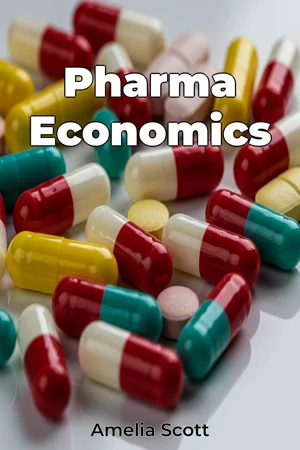
How do life-saving medications reach those who need them, and at what cost? "Pharma Economics" delves into the complex interplay of market forces, intricate pricing models, stringent regulatory landscapes, and the high-stakes business strategies that underpin the pharmaceutical industry's drug development and distribution processes. This book is essential for anyone seeking to understand the economic realities shaping access to healthcare and the future of pharmaceutical innovation. The core of "Pharma Economics" revolves around three pivotal themes: firstly, the economic incentives that drive pharmaceutical innovation, or the lack thereof; secondly, the multifaceted drug pricing mechanisms operating globally and their impact on affordability and accessibility; and thirdly, the critical role of regulatory bodies in safeguarding public health while fostering a competitive market. These topics are vital because they directly influence the availability of new treatments, the cost of existing medications, and, ultimately, patient outcomes. Understanding the current pharmaceutical landscape requires acknowledging its historical context, from early apothecaries to the rise of multinational corporations. We examine how scientific breakthroughs, coupled with evolving patent laws and shifting healthcare policies, have shaped the industry into what it is today. Readers will gain insight into the prerequisite knowledge of basic economic principles, such as supply and demand, market structures, and the concept of elasticity, applied specifically to the pharmaceutical context. The central argument posits that the pharmaceutical industry operates within a unique economic sphere where market principles often clash with ethical considerations. The relentless pursuit of profit, while necessary for innovation, frequently conflicts with the need to provide affordable medicines to all. The book explores this inherent tension and proposes a balanced approach that encourages pharmaceutical advancements while ensuring equitable access to essential treatments. The book unfolds in a structured manner. It begins by introducing fundamental economic concepts relevant to the pharmaceutical industry, such as R&D costs, patent protection, and the role of generics. It then develops these ideas across several key chapters. One section analyzes various drug pricing models, comparing and contrasting approaches used in different countries, including value-based pricing and competitive bidding. A second major section investigates the impact of regulations, such as FDA approval processes and patent extensions, on market competition and drug availability. Finally, the book culminates by proposing policy recommendations and practical strategies for creating a more sustainable and equitable pharmaceutical ecosystem. Evidence presented throughout the book is drawn from a comprehensive analysis of economic data, market reports, case studies of specific drugs and companies, and empirical research on healthcare outcomes. Unique data sources, including proprietary industry databases and unpublished regulatory documents, are incorporated to provide a nuanced understanding of the industry's inner workings. "Pharma Economics" bridges several disciplines, connecting economics with public health, law, and bioethics. This interdisciplinary approach highlights the complex societal impact of pharmaceutical policies and practices. The book adopts a balanced and objective tone, presenting information in a clear and accessible manner suitable for both academic and general audiences. This book stands out due to its holistic analysis of the pharmaceutical industry, considering both its economic drivers and ethical implications. It offers a fresh perspective on the challenges facing the industry and proposes innovative solutions for ensuring sustainable innovation and equitable access to medications. The intended audience includes healthcare professionals, policymakers, economists, business analysts, and anyone interested in understanding the complexities of the pharmaceutical industry. The book provides valuable insights for those seeking to make informed decisions about healthcare policy, investment strategies, and patient advocacy. As a work of economics and medical general interest, this book adheres to standards of rigorous analysis and evidence-based arguments. It acknowledges the limitations inherent to studying a rapidly evolving industry and focuses on providing a framework for understanding current and future trends. The information within this book has real-world applications for policymakers seeking to reform drug pricing policies, investors evaluating pharmaceutical companies, and healthcare providers striving to improve patient access to essential medications. The book will navigate controversies surrounding issues like patent evergreening, exorbitant drug prices for orphan diseases, and the influence of pharmaceutical lobbying on healthcare policy, offering a nuanced and informed perspective on these contentious debates.
How do life-saving medications reach those who need them, and at what cost? "Pharma Economics" delves into the complex interplay of market forces, intricate pricing models, stringent regulatory landscapes, and the high-stakes business strategies that underpin the pharmaceutical industry's drug development and distribution processes. This book is essential for anyone seeking to understand the economic realities shaping access to healthcare and the future of pharmaceutical innovation. The core of "Pharma Economics" revolves around three pivotal themes: firstly, the economic incentives that drive pharmaceutical innovation, or the lack thereof; secondly, the multifaceted drug pricing mechanisms operating globally and their impact on affordability and accessibility; and thirdly, the critical role of regulatory bodies in safeguarding public health while fostering a competitive market. These topics are vital because they directly influence the availability of new treatments, the cost of existing medications, and, ultimately, patient outcomes. Understanding the current pharmaceutical landscape requires acknowledging its historical context, from early apothecaries to the rise of multinational corporations. We examine how scientific breakthroughs, coupled with evolving patent laws and shifting healthcare policies, have shaped the industry into what it is today. Readers will gain insight into the prerequisite knowledge of basic economic principles, such as supply and demand, market structures, and the concept of elasticity, applied specifically to the pharmaceutical context. The central argument posits that the pharmaceutical industry operates within a unique economic sphere where market principles often clash with ethical considerations. The relentless pursuit of profit, while necessary for innovation, frequently conflicts with the need to provide affordable medicines to all. The book explores this inherent tension and proposes a balanced approach that encourages pharmaceutical advancements while ensuring equitable access to essential treatments. The book unfolds in a structured manner. It begins by introducing fundamental economic concepts relevant to the pharmaceutical industry, such as R&D costs, patent protection, and the role of generics. It then develops these ideas across several key chapters. One section analyzes various drug pricing models, comparing and contrasting approaches used in different countries, including value-based pricing and competitive bidding. A second major section investigates the impact of regulations, such as FDA approval processes and patent extensions, on market competition and drug availability. Finally, the book culminates by proposing policy recommendations and practical strategies for creating a more sustainable and equitable pharmaceutical ecosystem. Evidence presented throughout the book is drawn from a comprehensive analysis of economic data, market reports, case studies of specific drugs and companies, and empirical research on healthcare outcomes. Unique data sources, including proprietary industry databases and unpublished regulatory documents, are incorporated to provide a nuanced understanding of the industry's inner workings. "Pharma Economics" bridges several disciplines, connecting economics with public health, law, and bioethics. This interdisciplinary approach highlights the complex societal impact of pharmaceutical policies and practices. The book adopts a balanced and objective tone, presenting information in a clear and accessible manner suitable for both academic and general audiences. This book stands out due to its holistic analysis of the pharmaceutical industry, considering both its economic drivers and ethical implications. It offers a fresh perspective on the challenges facing the industry and proposes innovative solutions for ensuring sustainable innovation and equitable access to medications. The intended audience includes healthcare professionals, policymakers, economists, business analysts, and anyone interested in understanding the complexities of the pharmaceutical industry. The book provides valuable insights for those seeking to make informed decisions about healthcare policy, investment strategies, and patient advocacy. As a work of economics and medical general interest, this book adheres to standards of rigorous analysis and evidence-based arguments. It acknowledges the limitations inherent to studying a rapidly evolving industry and focuses on providing a framework for understanding current and future trends. The information within this book has real-world applications for policymakers seeking to reform drug pricing policies, investors evaluating pharmaceutical companies, and healthcare providers striving to improve patient access to essential medications. The book will navigate controversies surrounding issues like patent evergreening, exorbitant drug prices for orphan diseases, and the influence of pharmaceutical lobbying on healthcare policy, offering a nuanced and informed perspective on these contentious debates.
"Pharma Economics" offers a comprehensive exploration of the pharmaceutical industry, illuminating the complex economic forces that govern drug development, pricing, and market access. It tackles the critical question of how life-saving medications reach those who need them, while also examining the often-conflicting goals of profit and equitable access. The book specifically examines economic incentives driving pharmaceutical innovation, dissects global drug pricing mechanisms, and analyzes the role of regulatory bodies. Readers will gain valuable insights into the industry's unique economic sphere, where market principles frequently intersect with ethical considerations. The book uses a structured approach, beginning with fundamental economic concepts relevant to the pharmaceutical industry, such as R&D costs and patent protection, before progressing into a detailed analysis of drug pricing models across different countries. It also investigates the impact of regulations on market competition and drug availability. The book uniquely incorporates proprietary industry databases and unpublished regulatory documents to provide a nuanced understanding of the pharmaceutical industry's intricate workings. Culminating in policy recommendations, "Pharma Economics" proposes practical strategies for fostering a more sustainable and equitable pharmaceutical ecosystem. By bridging economics with public health, law, and bioethics, the book provides a holistic analysis suitable for healthcare professionals, policymakers, and anyone interested in understanding the complexities of this vital sector.
Book Details
ISBN
9788235295002
Publisher
Publifye AS
Your Licenses
You don't own any licenses for this book
Purchase a license below to unlock this book and download the EPUB.
Purchase License
Select a tier to unlock this book
Need bulk licensing?
Contact us for enterprise agreements.