
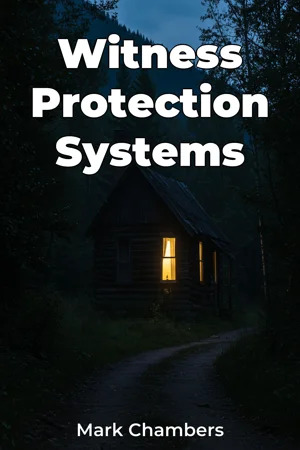
About This Book
What happens when telling the truth puts your life, and the lives of your loved ones, in mortal danger? "Witness Protection Systems" delves into the complex legal, ethical, and practical realities of safeguarding individuals who risk everything to testify against dangerous criminals. This book examines the evolution, implementation, and effectiveness of witness protection programs, exploring the delicate balance between ensuring justice and protecting human lives. This book addresses three critical areas: the legal frameworks that underpin witness protection, the intricate operational procedures involved in relocating and maintaining the security of witnesses, and the specific types of criminal cases in which witness protection becomes not just an option, but a necessity. Understanding these facets is crucial for anyone seeking insight into the mechanics of modern law enforcement and the challenges of combating organized crime. The content will provide a historical overview of witness protection, tracing its origins from informal practices to formalized government programs. It will lay bare the necessity of such systems in an era of increasingly sophisticated criminal enterprises, where intimidation and violence are wielded to silence potential witnesses. The book's central argument is that while witness protection is an indispensable tool for securing convictions and dismantling criminal organizations, it also presents significant challenges to individual liberties and government accountability. We must continually evaluate the effectiveness and ethical implications of these programs to ensure they serve their intended purpose without infringing on fundamental rights. The book unfolds in several key sections. First, it introduces the legal and ethical foundations of witness protection, examining relevant statutes, court precedents, and philosophical debates. Second, it details the practical aspects of witness relocation, including risk assessment, identity creation, psychological support, and ongoing monitoring. Third, the study analyzes specific case studies of high-profile criminal trials where witness protection played a pivotal role, evaluating both successes and failures. Finally, the work concludes by exploring potential reforms and future directions for witness protection systems in an increasingly interconnected world. The evidence presented is drawn from a wide range of sources, including government reports, academic studies, legal documents, and interviews with former witnesses, law enforcement officials, and legal scholars. Unique data will include an analysis of declassified internal memos from various witness protection agencies, offering unprecedented insights into their operational procedures. This exploration of witness protection connects to other fields of study such as criminology, political science, and ethics. Criminology informs our understanding of criminal behavior and the motivations behind witness intimidation. Political science sheds light on the policy-making processes that shape witness protection laws. Ethics allows us to grapple with the moral dilemmas inherent in protecting some individuals at the potential expense of others. What makes this book unique is its holistic approach, combining legal analysis, operational insights, and ethical considerations to provide a comprehensive understanding of witness protection systems. It goes beyond simply describing the programs to critically evaluating their impact and identifying areas for improvement. The tone will be factual and analytical, avoiding sensationalism while remaining accessible to a broad audience. The writing style will be clear, concise, and engaging, making complex legal concepts understandable to non-experts. The intended audience includes students of law, criminology, and political science, as well as legal professionals, law enforcement officers, policymakers, and anyone interested in the intersection of crime, justice, and human rights. This book is especially valuable to those who seek a deeper understanding of the challenges of fighting organized crime in a democratic society. This study will primarily focus on the United States Federal Witness Protection Program, while drawing comparisons to similar programs in other countries where relevant. However, it will not provide specific details that could compromise the safety of current or former witnesses. This book will provide readers with a framework for evaluating the effectiveness and ethical implications of witness protection programs. It offers insights that can inform policy debates, guide law enforcement practices, and promote a more just and equitable legal system. The book addresses ongoing debates about the proper balance between protecting witnesses and ensuring transparency and accountability in law enforcement. It examines concerns about potential abuses of power and the need for greater oversight of witness protection programs.
What happens when telling the truth puts your life, and the lives of your loved ones, in mortal danger? "Witness Protection Systems" delves into the complex legal, ethical, and practical realities of safeguarding individuals who risk everything to testify against dangerous criminals. This book examines the evolution, implementation, and effectiveness of witness protection programs, exploring the delicate balance between ensuring justice and protecting human lives. This book addresses three critical areas: the legal frameworks that underpin witness protection, the intricate operational procedures involved in relocating and maintaining the security of witnesses, and the specific types of criminal cases in which witness protection becomes not just an option, but a necessity. Understanding these facets is crucial for anyone seeking insight into the mechanics of modern law enforcement and the challenges of combating organized crime. The content will provide a historical overview of witness protection, tracing its origins from informal practices to formalized government programs. It will lay bare the necessity of such systems in an era of increasingly sophisticated criminal enterprises, where intimidation and violence are wielded to silence potential witnesses. The book's central argument is that while witness protection is an indispensable tool for securing convictions and dismantling criminal organizations, it also presents significant challenges to individual liberties and government accountability. We must continually evaluate the effectiveness and ethical implications of these programs to ensure they serve their intended purpose without infringing on fundamental rights. The book unfolds in several key sections. First, it introduces the legal and ethical foundations of witness protection, examining relevant statutes, court precedents, and philosophical debates. Second, it details the practical aspects of witness relocation, including risk assessment, identity creation, psychological support, and ongoing monitoring. Third, the study analyzes specific case studies of high-profile criminal trials where witness protection played a pivotal role, evaluating both successes and failures. Finally, the work concludes by exploring potential reforms and future directions for witness protection systems in an increasingly interconnected world. The evidence presented is drawn from a wide range of sources, including government reports, academic studies, legal documents, and interviews with former witnesses, law enforcement officials, and legal scholars. Unique data will include an analysis of declassified internal memos from various witness protection agencies, offering unprecedented insights into their operational procedures. This exploration of witness protection connects to other fields of study such as criminology, political science, and ethics. Criminology informs our understanding of criminal behavior and the motivations behind witness intimidation. Political science sheds light on the policy-making processes that shape witness protection laws. Ethics allows us to grapple with the moral dilemmas inherent in protecting some individuals at the potential expense of others. What makes this book unique is its holistic approach, combining legal analysis, operational insights, and ethical considerations to provide a comprehensive understanding of witness protection systems. It goes beyond simply describing the programs to critically evaluating their impact and identifying areas for improvement. The tone will be factual and analytical, avoiding sensationalism while remaining accessible to a broad audience. The writing style will be clear, concise, and engaging, making complex legal concepts understandable to non-experts. The intended audience includes students of law, criminology, and political science, as well as legal professionals, law enforcement officers, policymakers, and anyone interested in the intersection of crime, justice, and human rights. This book is especially valuable to those who seek a deeper understanding of the challenges of fighting organized crime in a democratic society. This study will primarily focus on the United States Federal Witness Protection Program, while drawing comparisons to similar programs in other countries where relevant. However, it will not provide specific details that could compromise the safety of current or former witnesses. This book will provide readers with a framework for evaluating the effectiveness and ethical implications of witness protection programs. It offers insights that can inform policy debates, guide law enforcement practices, and promote a more just and equitable legal system. The book addresses ongoing debates about the proper balance between protecting witnesses and ensuring transparency and accountability in law enforcement. It examines concerns about potential abuses of power and the need for greater oversight of witness protection programs.
"Witness Protection Systems" examines the intricate world of safeguarding individuals who risk their lives to testify against dangerous criminals. The book explores the legal frameworks, operational procedures, and ethical considerations surrounding witness protection programs, highlighting their necessity in combating organized crime. It traces the evolution of these systems from informal practices to formalized government initiatives, emphasizing their role in securing convictions. The book offers a historical overview, legal analysis, and ethical evaluation of witness protection. It examines the practical aspects of witness relocation, detailing risk assessment, identity creation, and psychological support. Through case studies of high-profile criminal trials, the book evaluates both the successes and failures of witness protection, addressing ongoing policy debates about balancing witness safety with government accountability. The book progresses by first introducing the legal and ethical foundations, then detailing the practical aspects of witness relocation, analyzing case studies, and concluding with potential reforms. It draws from government reports, legal documents, and interviews to provide a comprehensive understanding of witness protection systems and their impact on human rights and criminal justice.
Book Details
ISBN
9788235294845
Publisher
Publifye AS
Your Licenses
You don't own any licenses for this book
Purchase a license below to unlock this book and download the EPUB.
Purchase License
Select a tier to unlock this book
Need bulk licensing?
Contact us for enterprise agreements.