
About This Book
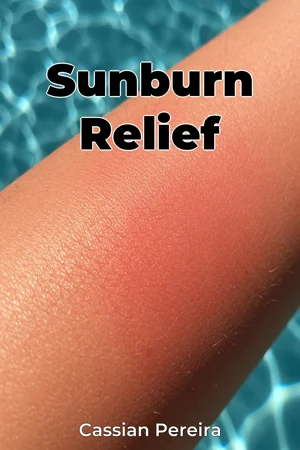
Did you know that sunburn is a sign of DNA damage, dramatically increasing your risk of skin cancer? This book, "Sunburn Relief," offers a comprehensive guide to understanding, treating, and preventing sunburn, as well as mitigating the dangerous complications of excessive sun exposure. It connects the immediate discomfort of sunburn with its long-term health implications, providing practical, evidence-based strategies for sun safety. We address two key topics: the immediate treatment of sunburn and proactive prevention of future skin damage. The importance of these topics lies in the rising rates of skin cancer globally and the lack of consistent, effective sun safety practices. Furthermore, we explore the serious systemic effects of severe sunburn, such as heatstroke and dehydration, which require immediate medical attention. Our aim is to empower readers with the knowledge and tools to protect themselves and their families. The book begins by outlining the science of sunburn: how ultraviolet (UV) radiation damages skin cells and triggers an inflammatory response. It details the various types of UV radiation (UVA and UVB) and their specific effects on the skin. It discusses the role of melanin, a natural pigment that provides some protection against sun damage. This foundational information helps readers understand the biological basis of sunburn and the need for effective preventive measures. Our central argument is that sunburn is preventable, and even when it occurs, its effects can be significantly minimized through timely and appropriate interventions. We present a multi-faceted approach that encompasses understanding the risks, implementing effective sun protection strategies, and responding promptly to sunburn with evidence-based treatments. This argument is essential because it shifts the focus from simply treating sunburn after it occurs to proactively preventing it and mitigating its potential consequences. The book is structured logically, beginning with an introduction to the science of the sun and its effects on the skin. The first section outlines the different types of sunburn, their symptoms, and how to assess the severity. The second part focuses on immediate treatment strategies, including cooling techniques, hydration, topical remedies, and pain management. The third section emphasizes prevention techniques, such as using sunscreen correctly, wearing protective clothing, and avoiding peak sun hours. Finally, the book provides in-depth guidance on recognizing and managing complications like heatstroke and severe dehydration, emphasizing when to seek professional medical help. The claims throughout this book are supported by scientific research, clinical studies, and best practices from dermatological and medical communities. We draw upon data from organizations like the American Academy of Dermatology, the World Health Organization, and peer-reviewed medical journals. The book also uses case studies and practical examples to illustrate key points and demonstrate the effectiveness of the recommended strategies. "Sunburn Relief" connects to other fields such as environmental science (understanding the impact of ozone depletion on UV radiation levels), public health (promoting sun-safe behaviors through education and awareness campaigns), and pharmacology (evaluating the effectiveness and safety of various sunscreens and topical treatments). These interdisciplinary connections enrich the book's argument by providing a broader understanding of the factors that contribute to sunburn and the strategies to combat it. This book distinguishes itself by offering a comprehensive, evidence-based approach to both treating and preventing sunburn, emphasizing the long-term health consequences of sun exposure. Unlike many resources that only focus on immediate relief, we emphasize the importance of proactive prevention and early intervention to minimize the risk of skin cancer and other complications. The tone is informative and accessible, making complex scientific information understandable to a general audience. The writing style is clear, concise, and practical, providing actionable advice that readers can easily implement. The target audience includes anyone who spends time outdoors, parents concerned about their children's sun safety, athletes, gardeners, travelers, and individuals with a history of sunburn or skin cancer. This book is valuable because it provides comprehensive, practical guidance on protecting oneself from the harmful effects of the sun and managing sunburn effectively. As a health and fitness book, "Sunburn Relief" adheres to the conventions of providing accurate, up-to-date information, evidence-based recommendations, and a practical focus on improving the reader's well-being. It avoids sensationalism or unsubstantiated claims, instead relying on credible sources and scientific consensus. The scope of this book is limited to the prevention and treatment of sunburn and its immediate complications. While it touches on the link between sunburn and skin cancer, it does not provide a comprehensive overview of skin cancer diagnosis or treatment. Readers can apply the information in this book by adopting sun-safe behaviors, such as wearing sunscreen daily, seeking shade during peak sun hours, and regularly checking their skin for signs of sun damage. They can also use the book's treatment recommendations to effectively manage sunburn and prevent complications. The book will also touch on the controversies surrounding sunscreen ingredients and provide guidance on choosing safe and effective sunscreens.
Did you know that sunburn is a sign of DNA damage, dramatically increasing your risk of skin cancer? This book, "Sunburn Relief," offers a comprehensive guide to understanding, treating, and preventing sunburn, as well as mitigating the dangerous complications of excessive sun exposure. It connects the immediate discomfort of sunburn with its long-term health implications, providing practical, evidence-based strategies for sun safety. We address two key topics: the immediate treatment of sunburn and proactive prevention of future skin damage. The importance of these topics lies in the rising rates of skin cancer globally and the lack of consistent, effective sun safety practices. Furthermore, we explore the serious systemic effects of severe sunburn, such as heatstroke and dehydration, which require immediate medical attention. Our aim is to empower readers with the knowledge and tools to protect themselves and their families. The book begins by outlining the science of sunburn: how ultraviolet (UV) radiation damages skin cells and triggers an inflammatory response. It details the various types of UV radiation (UVA and UVB) and their specific effects on the skin. It discusses the role of melanin, a natural pigment that provides some protection against sun damage. This foundational information helps readers understand the biological basis of sunburn and the need for effective preventive measures. Our central argument is that sunburn is preventable, and even when it occurs, its effects can be significantly minimized through timely and appropriate interventions. We present a multi-faceted approach that encompasses understanding the risks, implementing effective sun protection strategies, and responding promptly to sunburn with evidence-based treatments. This argument is essential because it shifts the focus from simply treating sunburn after it occurs to proactively preventing it and mitigating its potential consequences. The book is structured logically, beginning with an introduction to the science of the sun and its effects on the skin. The first section outlines the different types of sunburn, their symptoms, and how to assess the severity. The second part focuses on immediate treatment strategies, including cooling techniques, hydration, topical remedies, and pain management. The third section emphasizes prevention techniques, such as using sunscreen correctly, wearing protective clothing, and avoiding peak sun hours. Finally, the book provides in-depth guidance on recognizing and managing complications like heatstroke and severe dehydration, emphasizing when to seek professional medical help. The claims throughout this book are supported by scientific research, clinical studies, and best practices from dermatological and medical communities. We draw upon data from organizations like the American Academy of Dermatology, the World Health Organization, and peer-reviewed medical journals. The book also uses case studies and practical examples to illustrate key points and demonstrate the effectiveness of the recommended strategies. "Sunburn Relief" connects to other fields such as environmental science (understanding the impact of ozone depletion on UV radiation levels), public health (promoting sun-safe behaviors through education and awareness campaigns), and pharmacology (evaluating the effectiveness and safety of various sunscreens and topical treatments). These interdisciplinary connections enrich the book's argument by providing a broader understanding of the factors that contribute to sunburn and the strategies to combat it. This book distinguishes itself by offering a comprehensive, evidence-based approach to both treating and preventing sunburn, emphasizing the long-term health consequences of sun exposure. Unlike many resources that only focus on immediate relief, we emphasize the importance of proactive prevention and early intervention to minimize the risk of skin cancer and other complications. The tone is informative and accessible, making complex scientific information understandable to a general audience. The writing style is clear, concise, and practical, providing actionable advice that readers can easily implement. The target audience includes anyone who spends time outdoors, parents concerned about their children's sun safety, athletes, gardeners, travelers, and individuals with a history of sunburn or skin cancer. This book is valuable because it provides comprehensive, practical guidance on protecting oneself from the harmful effects of the sun and managing sunburn effectively. As a health and fitness book, "Sunburn Relief" adheres to the conventions of providing accurate, up-to-date information, evidence-based recommendations, and a practical focus on improving the reader's well-being. It avoids sensationalism or unsubstantiated claims, instead relying on credible sources and scientific consensus. The scope of this book is limited to the prevention and treatment of sunburn and its immediate complications. While it touches on the link between sunburn and skin cancer, it does not provide a comprehensive overview of skin cancer diagnosis or treatment. Readers can apply the information in this book by adopting sun-safe behaviors, such as wearing sunscreen daily, seeking shade during peak sun hours, and regularly checking their skin for signs of sun damage. They can also use the book's treatment recommendations to effectively manage sunburn and prevent complications. The book will also touch on the controversies surrounding sunscreen ingredients and provide guidance on choosing safe and effective sunscreens.
Sunburn is more than just a painful nuisance; it's a sign of DNA damage that significantly elevates your risk of skin cancer. "Sunburn Relief" provides a comprehensive guide to understanding, treating, and preventing sunburn, connecting immediate discomfort with long-term health implications. The book emphasizes that sunburn is preventable and its effects can be minimized through effective sun safety practices, like proper sunscreen use and avoiding peak sun hours. It also addresses serious complications like heatstroke and dehydration, offering strategies for when to seek medical attention. The book begins by explaining the science of sunburn, detailing how UV radiation affects skin cells and the roles of UVA and UVB rays. It then progresses to immediate treatment strategies, including cooling techniques and topical remedies. Crucially, "Sunburn Relief" emphasizes proactive prevention, providing a multi-faceted approach supported by scientific research and best practices from dermatological communities. The book distinguishes itself by focusing on both immediate relief and long-term health consequences, empowering readers with the knowledge to protect themselves and their families from sun damage.
Book Details
ISBN
9788235294807
Publisher
Publifye AS
Your Licenses
You don't own any licenses for this book
Purchase a license below to unlock this book and download the EPUB.
Purchase License
Select a tier to unlock this book
Need bulk licensing?
Contact us for enterprise agreements.