
About This Book
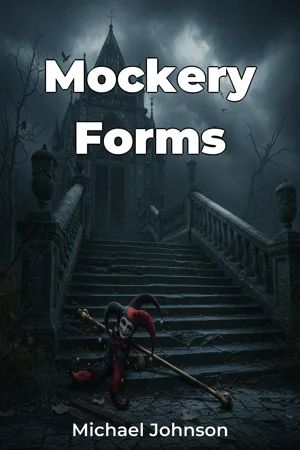
Can mockery truly reshape power dynamics, or is it merely a fleeting expression of discontent? "Mockery Forms" delves into the multifaceted nature of mockery, examining its profound effects on authority, individual behavior, and the broader contours of public discourse. This book explores not just what mockery *is*, but how it actively *works* within political and social landscapes. The central argument of "Mockery Forms" posits that mockery is not simply a tool of derision, but a complex social mechanism capable of both reinforcing and subverting power structures. It contends that the effectiveness of mockery depends on its form, target, context, and the audience's perception, thereby shaping the contours and ethical boundaries of acceptable public expression. This argument is crucial because it challenges the often-simplistic understanding of mockery as inherently negative or inconsequential; it demands a more nuanced analysis of its role in shaping our world. To understand these dynamics, "Mockery Forms" provides an extensive examination of different types of mockery. It differentiates between playful teasing, malicious satire, and politically motivated ridicule, demonstrating how each form impacts the target, the instigator, and the observing public. This includes analyzing the intent and execution of each type, as well as their respective consequences. Understanding these differences is important, since each type has varying impacts on ethical considerations, and its power to effect change. The book unfolds in three major sections. First, it establishes a theoretical framework for understanding mockery, drawing on philosophical insights and political science theories. This section introduces key concepts like the "rhetoric of ridicule," the "psychology of derision," and the "politics of laughter." Second, "Mockery Forms" offers a rich empirical analysis of historical and contemporary examples. Through case studies drawn from politics, media, and popular culture, the book illustrates how mockery has been used to challenge or uphold authority, influence public opinion, and shape behavioral norms. Examples range from ancient political comedies to modern-day internet memes, demonstrating the enduring power and adaptability of mockery. This section examines the effect of mockery on figures such as politicians, authority figures, and celebrities. Third, the book explores the ethical implications of mockery, addressing questions of free speech, harm, and social responsibility. What are the limits of acceptable ridicule? When does mockery become a form of bullying or harassment? These questions are particularly relevant in an age of widespread social media use, where mockery can quickly spread and amplify its impact. Evidence presented in "Mockery Forms" draws from diverse sources, including historical archives, media content analysis, social media data, and psychological studies. The book employs a multidisciplinary approach, connecting insights from philosophy, political science, sociology, psychology, and communications studies to provide a holistic understanding of mockery. "Mockery Forms" is written in an accessible yet rigorous style, targeting students and researchers in political science, communications, and sociology, as well as general readers interested in understanding the power of language and humor in shaping society. While the book offers an in-depth analysis of various forms of mockery, it specifically excludes a comprehensive discussion of humor theory, focusing instead on the social and political impact of ridicule. The book does not intend to provide a handbook for practitioners of satire, but rather, offers a framework for understanding and critically evaluating its influence. In an era of increasingly polarized public discourse, understanding the dynamics of mockery is more critical than ever. "Mockery Forms" offers valuable insights into how this pervasive form of communication shapes our perceptions, influences our behaviors, and ultimately impacts the world around us.
Can mockery truly reshape power dynamics, or is it merely a fleeting expression of discontent? "Mockery Forms" delves into the multifaceted nature of mockery, examining its profound effects on authority, individual behavior, and the broader contours of public discourse. This book explores not just what mockery *is*, but how it actively *works* within political and social landscapes. The central argument of "Mockery Forms" posits that mockery is not simply a tool of derision, but a complex social mechanism capable of both reinforcing and subverting power structures. It contends that the effectiveness of mockery depends on its form, target, context, and the audience's perception, thereby shaping the contours and ethical boundaries of acceptable public expression. This argument is crucial because it challenges the often-simplistic understanding of mockery as inherently negative or inconsequential; it demands a more nuanced analysis of its role in shaping our world. To understand these dynamics, "Mockery Forms" provides an extensive examination of different types of mockery. It differentiates between playful teasing, malicious satire, and politically motivated ridicule, demonstrating how each form impacts the target, the instigator, and the observing public. This includes analyzing the intent and execution of each type, as well as their respective consequences. Understanding these differences is important, since each type has varying impacts on ethical considerations, and its power to effect change. The book unfolds in three major sections. First, it establishes a theoretical framework for understanding mockery, drawing on philosophical insights and political science theories. This section introduces key concepts like the "rhetoric of ridicule," the "psychology of derision," and the "politics of laughter." Second, "Mockery Forms" offers a rich empirical analysis of historical and contemporary examples. Through case studies drawn from politics, media, and popular culture, the book illustrates how mockery has been used to challenge or uphold authority, influence public opinion, and shape behavioral norms. Examples range from ancient political comedies to modern-day internet memes, demonstrating the enduring power and adaptability of mockery. This section examines the effect of mockery on figures such as politicians, authority figures, and celebrities. Third, the book explores the ethical implications of mockery, addressing questions of free speech, harm, and social responsibility. What are the limits of acceptable ridicule? When does mockery become a form of bullying or harassment? These questions are particularly relevant in an age of widespread social media use, where mockery can quickly spread and amplify its impact. Evidence presented in "Mockery Forms" draws from diverse sources, including historical archives, media content analysis, social media data, and psychological studies. The book employs a multidisciplinary approach, connecting insights from philosophy, political science, sociology, psychology, and communications studies to provide a holistic understanding of mockery. "Mockery Forms" is written in an accessible yet rigorous style, targeting students and researchers in political science, communications, and sociology, as well as general readers interested in understanding the power of language and humor in shaping society. While the book offers an in-depth analysis of various forms of mockery, it specifically excludes a comprehensive discussion of humor theory, focusing instead on the social and political impact of ridicule. The book does not intend to provide a handbook for practitioners of satire, but rather, offers a framework for understanding and critically evaluating its influence. In an era of increasingly polarized public discourse, understanding the dynamics of mockery is more critical than ever. "Mockery Forms" offers valuable insights into how this pervasive form of communication shapes our perceptions, influences our behaviors, and ultimately impacts the world around us.
"Mockery Forms" examines mockery's complex role in politics and society, arguing it's more than simple derision; it's a social mechanism that both reinforces and subverts power. The book explores how different forms of mockery—from playful teasing to malicious satire—affect targets, instigators, and the public, underscoring the ethical considerations involved. Understanding these nuances is crucial because each type has varying impacts on ethical considerations, and its power to effect change. The book progresses through three sections: establishing a theoretical framework, offering empirical analysis of historical and contemporary examples, and exploring ethical implications. Case studies range from ancient political comedies to modern internet memes, illustrating mockery's enduring power. It analyzes the intent and execution of each type, as well as their respective consequences. This multidisciplinary approach, drawing from philosophy, political science, and sociology, makes "Mockery Forms" valuable for students, researchers, and general readers interested in the power dynamics of public discourse and the subtle art of social commentary. It offers a nuanced analysis, challenging simplistic views of ridicule in shaping our world.
Book Details
ISBN
9788235294739
Publisher
Publifye AS
Your Licenses
You don't own any licenses for this book
Purchase a license below to unlock this book and download the EPUB.
Purchase License
Select a tier to unlock this book
Need bulk licensing?
Contact us for enterprise agreements.