
About This Book
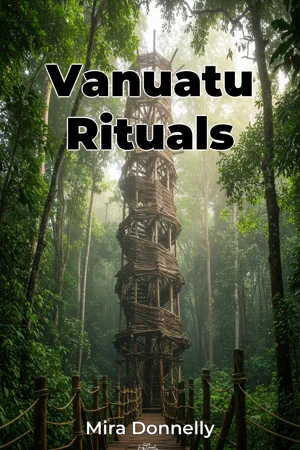
What enduring traditions connect the people of Vanuatu to their land and to each other? "Vanuatu Rituals" explores this question through an in-depth examination of the archipelago's ceremonial practices, spiritual beliefs, and the ways indigenous customs have adapted to modern influences. This book delves into the heart of Vanuatu's cultural identity, revealing the profound significance of rituals such as land diving and ancestral veneration. Understanding these practices is essential for comprehending the social fabric of Vanuatu and the complex interplay between tradition and change in a rapidly evolving world. This book provides a comprehensive overview of Vanuatu's ritual landscape, beginning with a historical and cultural context that explores the pre-colonial origins of these traditions and their evolution through periods of contact with European powers and the subsequent rise of modern nation-states. We examine the concept of "kastom," the indigenous customary law and tradition that serves as the foundation for many rituals, providing a framework for understanding their purpose and function within Vanuatu society. The core of "Vanuatu Rituals" focuses on specific ceremonial practices, most notably *Naghol*, or land diving, on Pentecost Island. We explore the meticulous construction of the tower, the selection and preparation of vines, and the spiritual significance of the dive itself, demonstrating how this act embodies themes of courage, fertility, and communal renewal. Further, the book investigates other significant rituals related to chiefly investiture, yam harvests, and *Tokas*, elaborate feasts, highlighting their role in maintaining social order, reinforcing kinship ties, and ensuring prosperity. The book also examines the spiritual underpinnings of these rituals, exploring beliefs related to ancestral spirits, the concept of *mana*, and the role of magic and sorcery within Vanuatu cosmology. Our central argument posits that Vanuatu's rituals are not merely relics of the past but are dynamic and evolving expressions of cultural identity that continue to shape the lives of ni-Vanuatu people in the 21st century. These rituals serve as vital mechanisms for preserving cultural knowledge, transmitting values across generations, and fostering a sense of collective belonging in the face of globalization and modernization. The book's structure follows a logical progression. First, we establish the historical and cultural context. Then, we describe specific rituals and their associated beliefs. Next, we analyze the impact of external forces, such as colonialism, tourism, and Christianity, on these traditions. Finally, we explore the ways in which ni-Vanuatu communities are actively working to preserve and adapt their customs for future generations. This includes examining initiatives such as cultural tourism programs, community-based conservation efforts, and the integration of traditional knowledge into formal education. The evidence presented in "Vanuatu Rituals" is drawn from a variety of sources, including ethnographic studies conducted by anthropologists, historical accounts from missionaries and colonial administrators, and oral histories collected from ni-Vanuatu elders. We incorporate photographs and illustrations to provide a visual representation of the rituals and their associated artifacts. The book draws upon disciplines such as anthropology, history, sociology, and religious studies to provide a multi-faceted perspective on Vanuatu's ritual traditions. This book offers a unique perspective by focusing on the agency of ni-Vanuatu people in shaping the trajectory of their own cultural heritage. Rather than portraying them as passive recipients of external forces, we highlight their active role in adapting and reinterpreting their traditions to meet the challenges and opportunities of the modern world. The writing style is accessible and engaging, avoiding jargon and technical terms while maintaining academic rigor. The book is intended for a broad audience, including students, researchers, travelers, and anyone interested in learning more about the cultures of the Pacific. It will appeal to readers interested in history, social science, and world religions. The scope of "Vanuatu Rituals" encompasses the major islands and cultural groups within the archipelago, but recognizes that limitations exist in covering every single custom and tradition. While the book strives for a comprehensive overview, certain localized practices may receive less attention due to limitations in available research and documentation. Ultimately, "Vanuatu Rituals" offers practical insights into the challenges and opportunities of cultural preservation in a globalized world. The book provides valuable lessons for communities around the world who are striving to maintain their cultural identity in the face of rapid social and environmental change. It also contributes to ongoing debates about the ethics of cultural tourism and the importance of respecting indigenous knowledge and practices.
What enduring traditions connect the people of Vanuatu to their land and to each other? "Vanuatu Rituals" explores this question through an in-depth examination of the archipelago's ceremonial practices, spiritual beliefs, and the ways indigenous customs have adapted to modern influences. This book delves into the heart of Vanuatu's cultural identity, revealing the profound significance of rituals such as land diving and ancestral veneration. Understanding these practices is essential for comprehending the social fabric of Vanuatu and the complex interplay between tradition and change in a rapidly evolving world. This book provides a comprehensive overview of Vanuatu's ritual landscape, beginning with a historical and cultural context that explores the pre-colonial origins of these traditions and their evolution through periods of contact with European powers and the subsequent rise of modern nation-states. We examine the concept of "kastom," the indigenous customary law and tradition that serves as the foundation for many rituals, providing a framework for understanding their purpose and function within Vanuatu society. The core of "Vanuatu Rituals" focuses on specific ceremonial practices, most notably *Naghol*, or land diving, on Pentecost Island. We explore the meticulous construction of the tower, the selection and preparation of vines, and the spiritual significance of the dive itself, demonstrating how this act embodies themes of courage, fertility, and communal renewal. Further, the book investigates other significant rituals related to chiefly investiture, yam harvests, and *Tokas*, elaborate feasts, highlighting their role in maintaining social order, reinforcing kinship ties, and ensuring prosperity. The book also examines the spiritual underpinnings of these rituals, exploring beliefs related to ancestral spirits, the concept of *mana*, and the role of magic and sorcery within Vanuatu cosmology. Our central argument posits that Vanuatu's rituals are not merely relics of the past but are dynamic and evolving expressions of cultural identity that continue to shape the lives of ni-Vanuatu people in the 21st century. These rituals serve as vital mechanisms for preserving cultural knowledge, transmitting values across generations, and fostering a sense of collective belonging in the face of globalization and modernization. The book's structure follows a logical progression. First, we establish the historical and cultural context. Then, we describe specific rituals and their associated beliefs. Next, we analyze the impact of external forces, such as colonialism, tourism, and Christianity, on these traditions. Finally, we explore the ways in which ni-Vanuatu communities are actively working to preserve and adapt their customs for future generations. This includes examining initiatives such as cultural tourism programs, community-based conservation efforts, and the integration of traditional knowledge into formal education. The evidence presented in "Vanuatu Rituals" is drawn from a variety of sources, including ethnographic studies conducted by anthropologists, historical accounts from missionaries and colonial administrators, and oral histories collected from ni-Vanuatu elders. We incorporate photographs and illustrations to provide a visual representation of the rituals and their associated artifacts. The book draws upon disciplines such as anthropology, history, sociology, and religious studies to provide a multi-faceted perspective on Vanuatu's ritual traditions. This book offers a unique perspective by focusing on the agency of ni-Vanuatu people in shaping the trajectory of their own cultural heritage. Rather than portraying them as passive recipients of external forces, we highlight their active role in adapting and reinterpreting their traditions to meet the challenges and opportunities of the modern world. The writing style is accessible and engaging, avoiding jargon and technical terms while maintaining academic rigor. The book is intended for a broad audience, including students, researchers, travelers, and anyone interested in learning more about the cultures of the Pacific. It will appeal to readers interested in history, social science, and world religions. The scope of "Vanuatu Rituals" encompasses the major islands and cultural groups within the archipelago, but recognizes that limitations exist in covering every single custom and tradition. While the book strives for a comprehensive overview, certain localized practices may receive less attention due to limitations in available research and documentation. Ultimately, "Vanuatu Rituals" offers practical insights into the challenges and opportunities of cultural preservation in a globalized world. The book provides valuable lessons for communities around the world who are striving to maintain their cultural identity in the face of rapid social and environmental change. It also contributes to ongoing debates about the ethics of cultural tourism and the importance of respecting indigenous knowledge and practices.
"Vanuatu Rituals" explores the enduring power of tradition in Vanuatu, examining how ceremonial practices and spiritual beliefs shape the cultural identity of the ni-Vanuatu people. The book delves into the concept of *kastom*, the customary law underpinning many rituals, and highlights the significance of ancestral veneration in daily life. These rituals aren't static relics but are dynamic expressions adapted to modern influences. The book examines specific rituals like *Naghol*, also known as land diving, on Pentecost Island, emphasizing its deep spiritual meaning related to courage and renewal. It also investigates other practices, such as yam harvests and chiefly investiture, revealing their role in maintaining social order and reinforcing kinship ties. The book progresses logically, first establishing historical context, then detailing rituals and beliefs, and finally analyzing the impact of external forces like tourism. By drawing on ethnographic studies, historical accounts, and oral histories, "Vanuatu Rituals" provides a comprehensive overview of the archipelago's cultural landscape. It offers a unique perspective by focusing on the active role of ni-Vanuatu people in preserving their heritage, providing valuable insights into cultural preservation in a globalized world.
Book Details
ISBN
9788235294555
Publisher
Publifye AS
Your Licenses
You don't own any licenses for this book
Purchase a license below to unlock this book and download the EPUB.
Purchase License
Select a tier to unlock this book
Need bulk licensing?
Contact us for enterprise agreements.