
About This Book
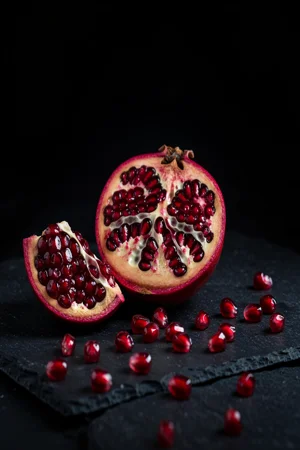
Have you ever wondered why certain foods are associated with misfortune, or why ancient cultures feared the consumption of specific delicacies? "Cursed Food Myths" delves into the fascinating and often unsettling world of food folklore, exploring the historical, cultural, and sometimes deadly connections between what we eat and the superstitions that surround it. This book examines two key areas: foods believed to bring bad luck or misfortune and foods linked to mysterious deaths and ancient curses. Understanding these beliefs provides a unique lens through which to view cultural anxieties, historical events, and the enduring power of superstition. This book is structured to provide both an engaging and informative journey through the topic. It begins by introducing the concept of food taboos across various cultures and time periods, providing a foundation for understanding how these beliefs arise and persist. We examine the historical context, social dynamics, and even potential scientific explanations behind these food-related fears. Prerequisite knowledge includes a general interest in history, food culture, and folklore--no specialized expertise is required. The central argument of "Cursed Food Myths" is that food superstitions reflect deeper societal concerns, acting as symbolic representations of anxieties related to health, power, and the unknown. By exploring these myths, we gain insight into the cultural values and historical circumstances that shaped them. The book unfolds in three major parts. The first section introduces the main concepts: the origins of food taboos, the role of symbolism in food mythology, and the psychological factors that contribute to these beliefs. The second section delves into specific case studies, dedicating chapters to foods like the pomegranate (associated with Persephone's curse), fugu (the deadly delicacy), and certain meats forbidden in various religions. Each case study examines the historical origins of the superstition, its cultural significance, and the real-world consequences, whether health-related or social. The third section explores the resurgence of food myths in the modern world, including the influence of social media and the perpetuation of misinformation. Evidence presented throughout the book draws from historical texts, anthropological studies, culinary history, and relevant scientific research. Unique data sources include ancient medical texts, folklore collections, and analyses of modern social media trends relating to food beliefs. "Cursed Food Myths" connects to several other fields of study. Anthropology provides a framework for understanding cultural beliefs and practices. History offers the necessary context for interpreting the origins and evolution of food superstitions. Food science sheds light on the potential health risks associated with certain foods, separating fact from fiction in some cases. The book's approach is to blend rigorous research with accessible storytelling. It avoids sensationalism while maintaining a sense of intrigue and wonder. The writing style is informative and engaging, suitable for a general audience interested in food, history, and culture. The target audience includes food enthusiasts, history buffs, folklore aficionados, and anyone curious about the stranger side of culinary traditions. This book will appeal to readers interested in understanding how cultural beliefs shape our relationship with food. As a work of food writing and history, "Cursed Food Myths" aims to provide accurate and well-researched information while also engaging the reader with compelling narratives and thought-provoking insights. The scope of the book focuses primarily on myths from Western and Eastern cultures, with some exploration of African and South American traditions, intentionally omitting some regional specific beliefs to maintain focus. While the book touches on the scientific aspects of food safety, it is not intended to be a comprehensive guide to food safety or toxicology. The information presented in "Cursed Food Myths" can be applied in several ways. It encourages readers to think critically about the origins and validity of commonly held food beliefs. It also provides a framework for understanding how cultural factors influence our food choices and perceptions. While most food myths are harmless, some can lead to real-world consequences, such as the avoidance of nutritious foods or the perpetuation of harmful stereotypes. This book will address debates about cultural sensitivity and the importance of respecting diverse food traditions while also promoting evidence-based decision-making.
Have you ever wondered why certain foods are associated with misfortune, or why ancient cultures feared the consumption of specific delicacies? "Cursed Food Myths" delves into the fascinating and often unsettling world of food folklore, exploring the historical, cultural, and sometimes deadly connections between what we eat and the superstitions that surround it. This book examines two key areas: foods believed to bring bad luck or misfortune and foods linked to mysterious deaths and ancient curses. Understanding these beliefs provides a unique lens through which to view cultural anxieties, historical events, and the enduring power of superstition. This book is structured to provide both an engaging and informative journey through the topic. It begins by introducing the concept of food taboos across various cultures and time periods, providing a foundation for understanding how these beliefs arise and persist. We examine the historical context, social dynamics, and even potential scientific explanations behind these food-related fears. Prerequisite knowledge includes a general interest in history, food culture, and folklore--no specialized expertise is required. The central argument of "Cursed Food Myths" is that food superstitions reflect deeper societal concerns, acting as symbolic representations of anxieties related to health, power, and the unknown. By exploring these myths, we gain insight into the cultural values and historical circumstances that shaped them. The book unfolds in three major parts. The first section introduces the main concepts: the origins of food taboos, the role of symbolism in food mythology, and the psychological factors that contribute to these beliefs. The second section delves into specific case studies, dedicating chapters to foods like the pomegranate (associated with Persephone's curse), fugu (the deadly delicacy), and certain meats forbidden in various religions. Each case study examines the historical origins of the superstition, its cultural significance, and the real-world consequences, whether health-related or social. The third section explores the resurgence of food myths in the modern world, including the influence of social media and the perpetuation of misinformation. Evidence presented throughout the book draws from historical texts, anthropological studies, culinary history, and relevant scientific research. Unique data sources include ancient medical texts, folklore collections, and analyses of modern social media trends relating to food beliefs. "Cursed Food Myths" connects to several other fields of study. Anthropology provides a framework for understanding cultural beliefs and practices. History offers the necessary context for interpreting the origins and evolution of food superstitions. Food science sheds light on the potential health risks associated with certain foods, separating fact from fiction in some cases. The book's approach is to blend rigorous research with accessible storytelling. It avoids sensationalism while maintaining a sense of intrigue and wonder. The writing style is informative and engaging, suitable for a general audience interested in food, history, and culture. The target audience includes food enthusiasts, history buffs, folklore aficionados, and anyone curious about the stranger side of culinary traditions. This book will appeal to readers interested in understanding how cultural beliefs shape our relationship with food. As a work of food writing and history, "Cursed Food Myths" aims to provide accurate and well-researched information while also engaging the reader with compelling narratives and thought-provoking insights. The scope of the book focuses primarily on myths from Western and Eastern cultures, with some exploration of African and South American traditions, intentionally omitting some regional specific beliefs to maintain focus. While the book touches on the scientific aspects of food safety, it is not intended to be a comprehensive guide to food safety or toxicology. The information presented in "Cursed Food Myths" can be applied in several ways. It encourages readers to think critically about the origins and validity of commonly held food beliefs. It also provides a framework for understanding how cultural factors influence our food choices and perceptions. While most food myths are harmless, some can lead to real-world consequences, such as the avoidance of nutritious foods or the perpetuation of harmful stereotypes. This book will address debates about cultural sensitivity and the importance of respecting diverse food traditions while also promoting evidence-based decision-making.
"Cursed Food Myths" explores the captivating realm of food folklore, revealing the historical and cultural roots of food superstitions and taboos. It examines why certain foods are believed to bring bad luck or are associated with death, offering insights into cultural anxieties and the power of superstition. Did you know that the pomegranate is linked to Persephone's curse, or that the preparation of fugu, a Japanese delicacy, can be deadly if not done correctly? The book argues that food superstitions reflect deeper societal concerns related to health and power. Beginning with an introduction to food taboos and symbolism, it delves into specific case studies, such as the aforementioned pomegranate and fugu, examining their historical origins and cultural significance. The narrative progresses to explore the resurgence of these myths in the modern world, including the influence of social media. Blending rigorous research with accessible storytelling, "Cursed Food Myths" provides a unique lens for understanding how cultural beliefs shape our relationship with food. It appeals to food enthusiasts, history buffs, and anyone curious about the stranger side of culinary traditions, offering a thought-provoking journey through the fascinating intersection of food, history, and mythology.
Book Details
ISBN
9788235294265
Publisher
Publifye AS
Your Licenses
You don't own any licenses for this book
Purchase a license below to unlock this book and download the EPUB.
Purchase License
Select a tier to unlock this book
Need bulk licensing?
Contact us for enterprise agreements.